

Global Finance Leaders Grapple with Potential Trump Resurgence
At the IMF and World Bank meetings, finance leaders focused on possible repercussions of Donald Trump's potential return to presidency. Discussions covered Trump's proposed tariff hikes, increased U.S. debt, and market reactions. Concerns of a trade war and economic uncertainty dominated the agenda.
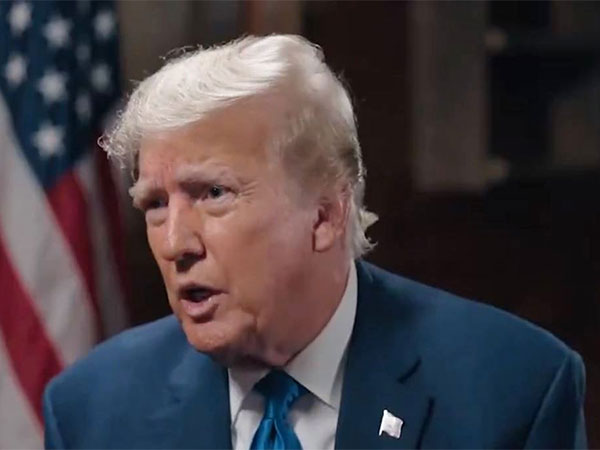
Amid concerns over low growth, high debt, and escalating geopolitical conflicts, the International Monetary Fund and World Bank meetings were dominated by discussions on the potential return of Donald Trump to the U.S. presidency. Finance leaders, central bankers, and civil groups expressed worries over Trump's proposed policies which could disrupt global finance, increase debt, and reverse climate initiatives.
Trump's poll resurgence has been fueled by a platform of aggressive tariff hikes and expansive tax cuts. Officials underscored apprehensions about a potential U.S.-EU trade war, high consumer costs, and a $7.5 trillion rise in debt under Trump's plans. Comparatively, Kamala Harris, his Democratic opponent, endorses a continuation of Biden's multilateral engagement, albeit with less impact on U.S. debt.
Financial markets have already reacted, with a notable uptick in assets linked to a Trump victory. Analysts attribute 60% of dollar gains to Trump's improved prospects. The IMF urged leaders to address increasing debt and economic challenges. Nonetheless, the specter of a Trump presidency loomed large over the discussions, underscoring the global economic uncertainties tied to U.S. elections.
ALSO READ
-
Tanzania’s Growth Gains Need Better Jobs to Bring Lasting Prosperity to More Families
-
Tanzania’s Economy Gains Momentum, but Better Jobs Hold the Key to Broader National Prosperity
-
Tanzania’s Growing Economy Puts Better Jobs at the Heart of Its Next Growth Chapter
-
From Oil Shale to Wind Power: Estonia’s High-Stakes Plan for Cheaper, Secure Electricity
-
From Debt Pressure to AfCFTA: Africa Searches for a New Formula to Finance Growth and Jobs


 Google News