

Taiwan's Independence Dilemma: A Historic and Diplomatic Standoff
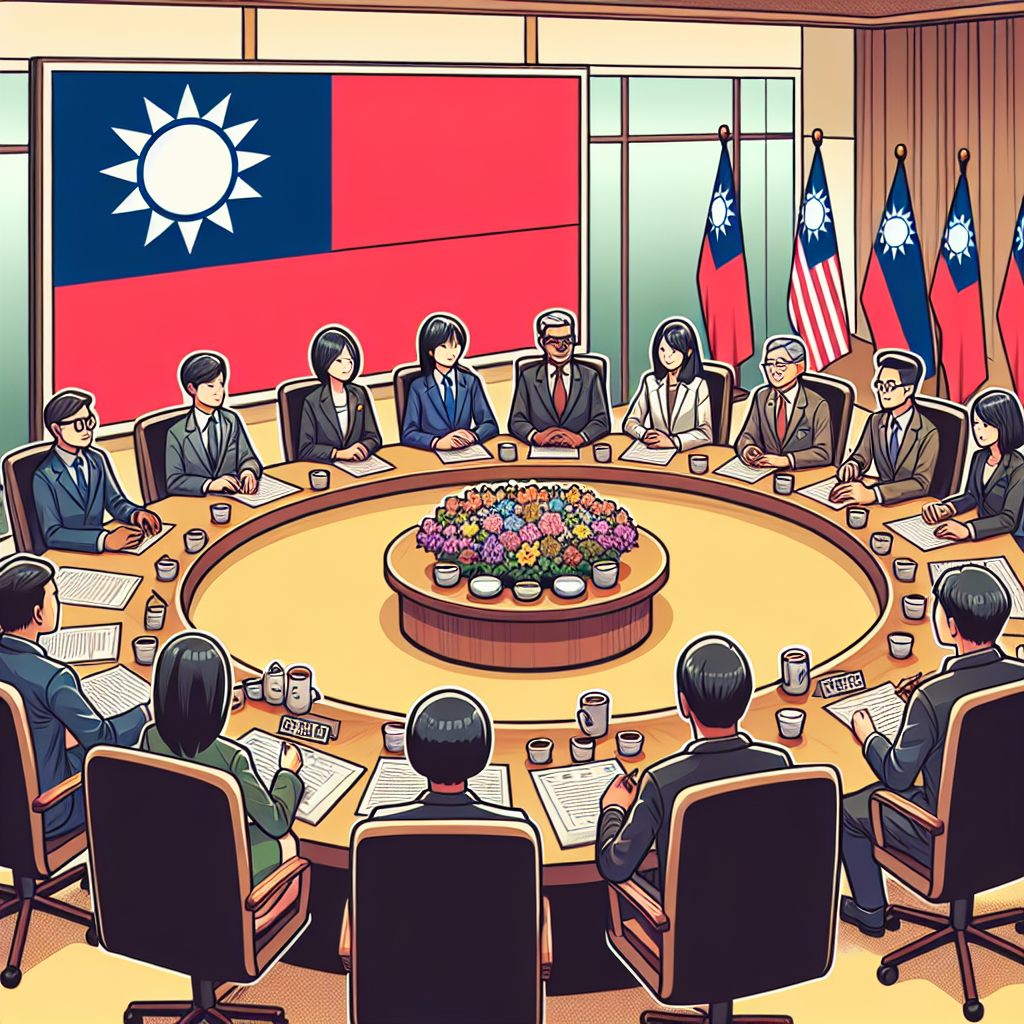
Taiwan's independence remains a contentious issue. It operates with de facto independence, yet China claims sovereignty over it. The U.S. has unofficial ties with Taiwan under its 'One China' policy, while opinion polls suggest most Taiwanese prefer the status quo. Formal independence is politically complex and challenging.
- Country:
- Taiwan
The U.S. State Department recently removed a reference to Taiwan's independence on its Taiwan page. This action has reignited discussions about Taiwan's status and independence.
Taiwan, historically a vibrant island with a unique past, functions with de facto independence. Despite China's claim of sovereignty, Taiwan governs itself, complete with its own military and currency. The island's formal name remains the Republic of China.
While only a few countries maintain official diplomatic ties with Taiwan, many Western nations, including the U.S., have strong unofficial relations. Taiwan's path to formal independence requires significant political maneuvers, such as a constitutional amendment, a step not favored by all political actors in Taipei.


 Google News