

Global Trade Tensions Escalate as New Tariffs Take Effect
China and the EU have imposed new trade barriers on U.S. goods in response to tariffs by U.S. President Donald Trump, escalating a trade war exacerbating market volatility and raising recession concerns. The new tariffs have affected global markets, oil prices, and U.S. Treasury bonds, with economists predicting higher consumer costs.
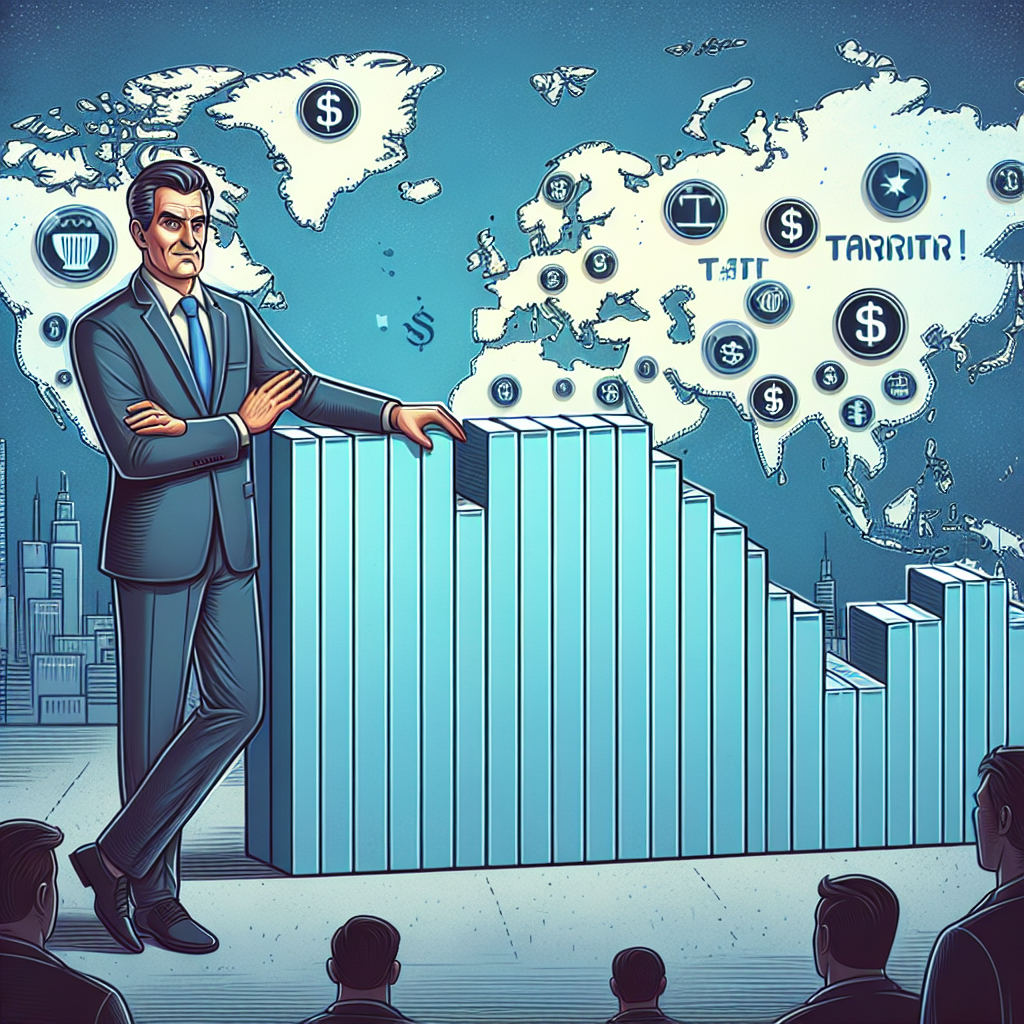
The global trade arena faced heightened tension as China and the European Union unveiled new trade barriers on U.S. goods following hefty duties imposed by U.S. President Donald Trump. This escalation in trade conflict sent shockwaves through global markets, leading to increased fears of a recession.
In response to Trump's tariffs, China raised levies on U.S. imports to 84%, while the EU set to impose a 25% tariff on various U.S. products. These countermeasures come amid rising tariffs that are dismantling a trade order decades in the making, pressing global markets with unprecedented volatility.
With markets reeling, oil prices plummeted, and traditional safe havens like U.S. Treasury bonds experienced investor exodus. Despite these economic disruptions, Trump remains defiant, hinting at possible negotiations but affirming the tariffs' permanence. Economists caution that these moves may burden American families with higher living costs, signaling potential political ramifications.


 Google News