

Trump's Controversial Deportation Proposal Faces Legal Scrutiny
President Donald Trump has proposed deporting some U.S.-born citizens to Salvadoran prisons, sparking concerns about legality and constitutionality among experts and civil rights advocates. The idea, contingent on legal viability, marks an unprecedented move and raises questions about due process and human rights in El Salvador.
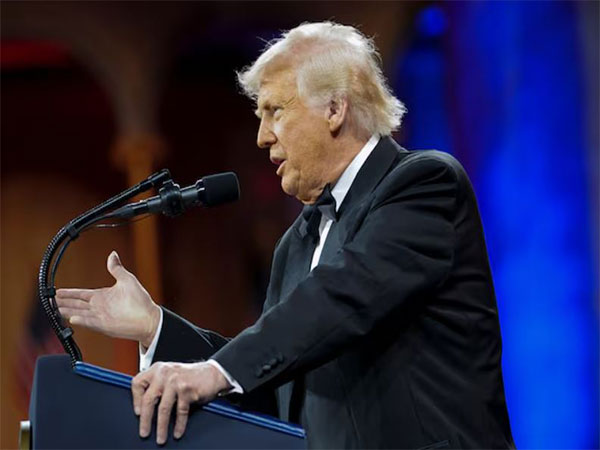
President Donald Trump has stirred controversy by suggesting that certain U.S.-born citizens could be deported to Salvadoran prisons. This proposition has led to alarm among civil rights advocates and legal experts, who assert that such an action would breach U.S. law.
The President, during a meeting with Salvadoran President Nayib Bukele, highlighted his administration's intent to deport Americans deemed violent offenders. However, Trump acknowledged the necessity to align with legal frameworks, which currently do not permit the expulsion of U.S. citizens.
Despite its controversial nature, the proposal has been placed under consideration, with critics pointing to El Salvador's poor human rights record and existing legal prohibitions on citizen deportation as significant hurdles. Trump's administration has previously transferred migrants with criminal ties to El Salvador, further complicating the discussion.


 Google News