

Iran's Fraught Path: Regrouping in a Shifting Mideast Landscape
In the aftermath of a 12-day conflict with Israel, Iran's leadership faces immense challenges. With a weakened Revolutionary Guard and strained alliances, the focus now shifts to internal stability, military rebuilding, and nuclear policy decisions, while grappling with economic turmoil and domestic unrest.
- Country:
- United Arab Emirates
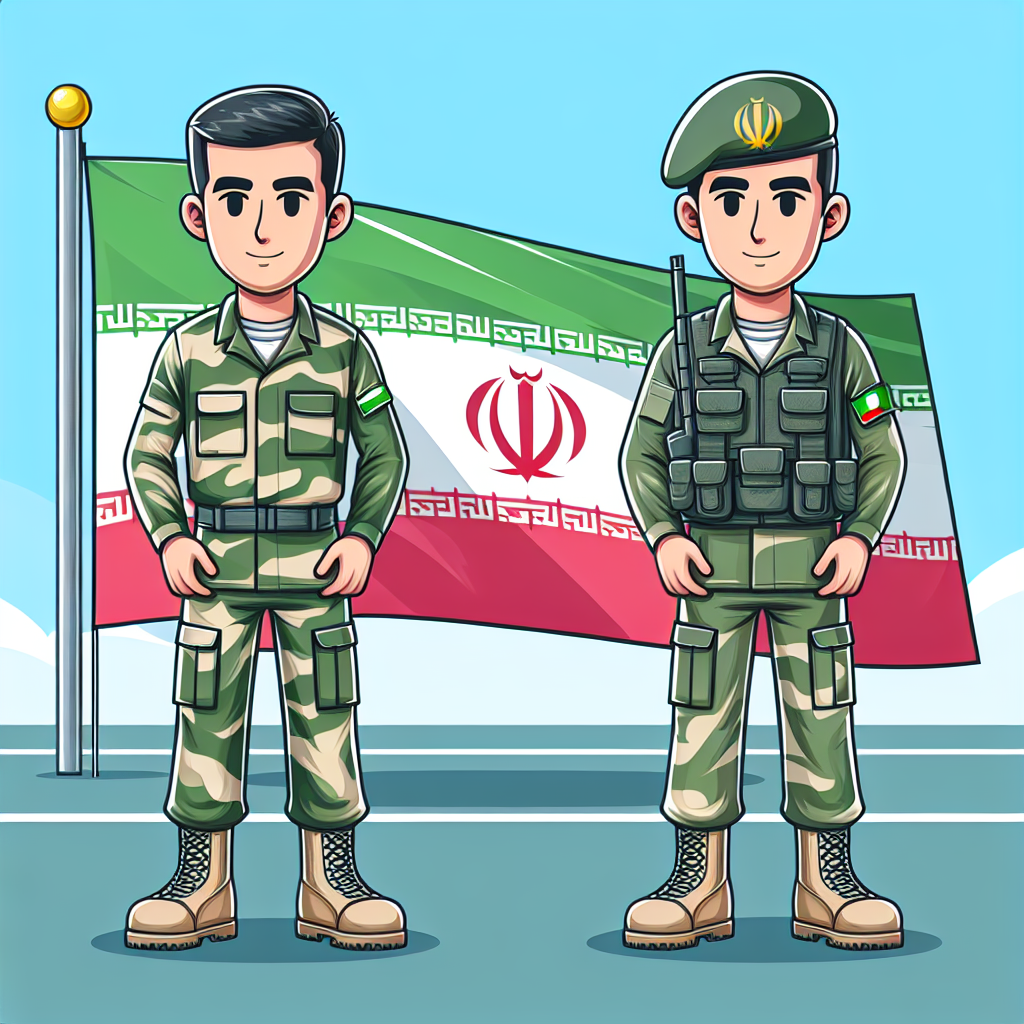
The conclusion of the recent 12-day conflict between Iran and Israel has left the Iranian leadership grappling with significant challenges. The airstrikes decimated much of Iran's Revolutionary Guard, depleting its military capabilities. Additionally, Iran's regional alliances, known as the 'Axis of Resistance,' are in disarray after Israel's rapid assaults.
Iran's Supreme Leader, Ayatollah Ali Khamenei, remains in isolation as the nation confronts the need for internal reorganization amidst economic challenges. With foreign support lacking, the leadership must navigate rebuilding its military while managing domestic discontent and energy crises, compounded by ongoing international sanctions.
The nuclear program stands at a crossroads, with some factions advocating for weapon development in the wake of exposed vulnerabilities. Khamenei faces a crucial decision between pursuing nuclear capabilities or resuming negotiations with the U.S. for potential sanctions relief, against a backdrop of economic instability and looming dissent.
ALSO READ
-
Poverty in the Line of Fire: UN Experts Demand Iran End Border Courier Killings
-
Iran’s Civilians Trapped Between State Repression and Deadly Strikes, UN Warns
-
UN Experts See UK Settlement Curbs as Turning Point, Urge Action Over Occupation
-
Lee Jae Myung's Diplomatic Milestones: Balancing Amidst Global Tensions
-
US Approves Potential Sale of F-35 Jets to Saudi Arabia, Shifting Middle Eastern Power Dynamics


 Google News