

Nepal's Fierce Youth Movement Topples Prime Minister Amid Social Media Ban
The ban on social media in Nepal sparked massive protests led by young activists against corruption, resulting in Prime Minister K.P. Sharma Oli's resignation. The demonstrations, driven by economic inequality and youth unemployment, were organized via alternative platforms like Viber and TikTok, following similar events in Bangladesh.
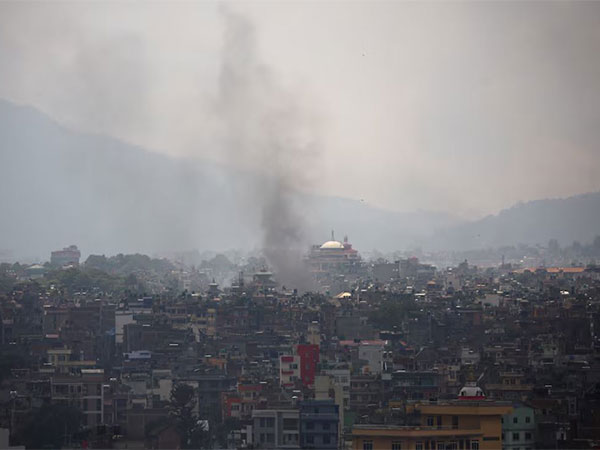
Last week, Nepal faced significant political upheaval after banning major social media platforms, including Facebook. This move, under the pretext of curbing fake news, was seen by activists like Sandip as an effort to stifle their anti-corruption campaign. The response was swift and widespread, with protests erupting across the nation.
These demonstrations, organized via alternative apps such as Viber and TikTok, drew thousands into the streets. The protests, which resulted in at least 19 fatalities, concluded with the resignation of Prime Minister K.P. Sharma Oli. This political turnover mirrors similar youth-led movements in Bangladesh, demonstrating regional discontent and demands for change.
Corruption, inequality, and high youth unemployment fuelled the protests. Activist Gaurav Nepune highlighted the discrepancy between ministers' lives and the public's struggles as a focal point for the movement. Participants called for a corruption-free government, independent from foreign influence. As Oli stepped down, figures like popular 35-year-old mayor Balendra Shah emerged as potential leaders, with many urging him to lead the nation toward a hopeful future.
ALSO READ
-
Lumbini’s Sacred Future Takes Shape With Heritage Protection and Local Jobs at Heart
-
Japan-Backed ILO Projects Help 23,000 Workers Gain Rights and Fight Child Labour
-
UNDP and World Bank Join Forces to Unlock Investment and Jobs in Five Nations
-
Najib Razak's House Arrest: A New Chapter in Malaysia's Political Drama
-
France's Ambitious Plan to Tame Deficit Amid Protests


 Google News