

Nicolas Maduro's Arrest: Oil, Politics, and International Tensions
Nicolas Maduro's arrest by U.S. Special Forces in Caracas marks the most significant U.S. intervention in Latin America since 1989. With oil aspirations in focus, President Donald Trump aims for cooperation, while Venezuela seeks respectful relations. The U.N. debates legality amid mixed international reactions, highlighting complex geopolitical tensions.
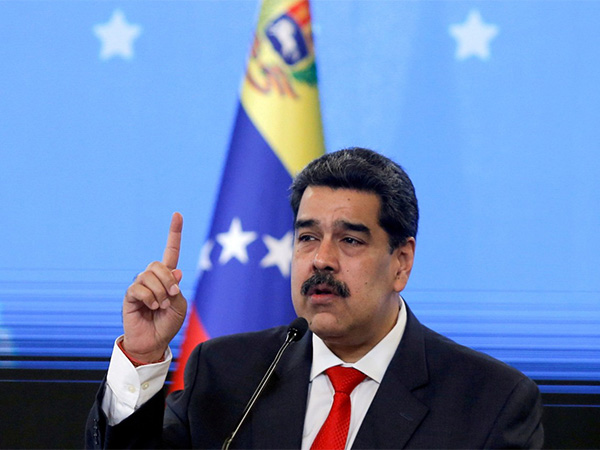
Nicolas Maduro, Venezuela's deposed leader, was scheduled to appear in a New York court facing drug charges, following his controversial capture by U.S. Special Forces. The operation, the largest U.S. intervention in Latin America since the Panama invasion in 1989, has sparked international debate over legality and geopolitical intentions.
Initially defiant, Maduro's loyalists are now considering cooperation, especially concerning Venezuela's vast oil reserves. Acting President Delcy Rodriguez expressed a desire for peaceful relations with the U.S., despite previous accusations of an oil-grabbing kidnapping. The Orinoco region holds the world's largest oil reserves, although output has declined, exacerbated by sanctions.
As U.N. Security Council discusses the legality of Maduro's capture, global reactions are mixed. While allies like Russia and China condemn the actions, European leaders and U.S. supporters weigh the need for dialogue. Meanwhile, Venezuela's political landscape remains uncertain, with potential ramifications on investors and global markets.


 Google News