

BOJ's Political Tightrope: Navigating US Relations and Domestic Pressures
The Bank of Japan refrained from joining a central bank support statement for Fed Chair Powell, due to its aversion to political involvement and an upcoming election. The BOJ, consulting the government, highlights caution over U.S. relations and Japan's monetary independence amid potential domestic political influence.
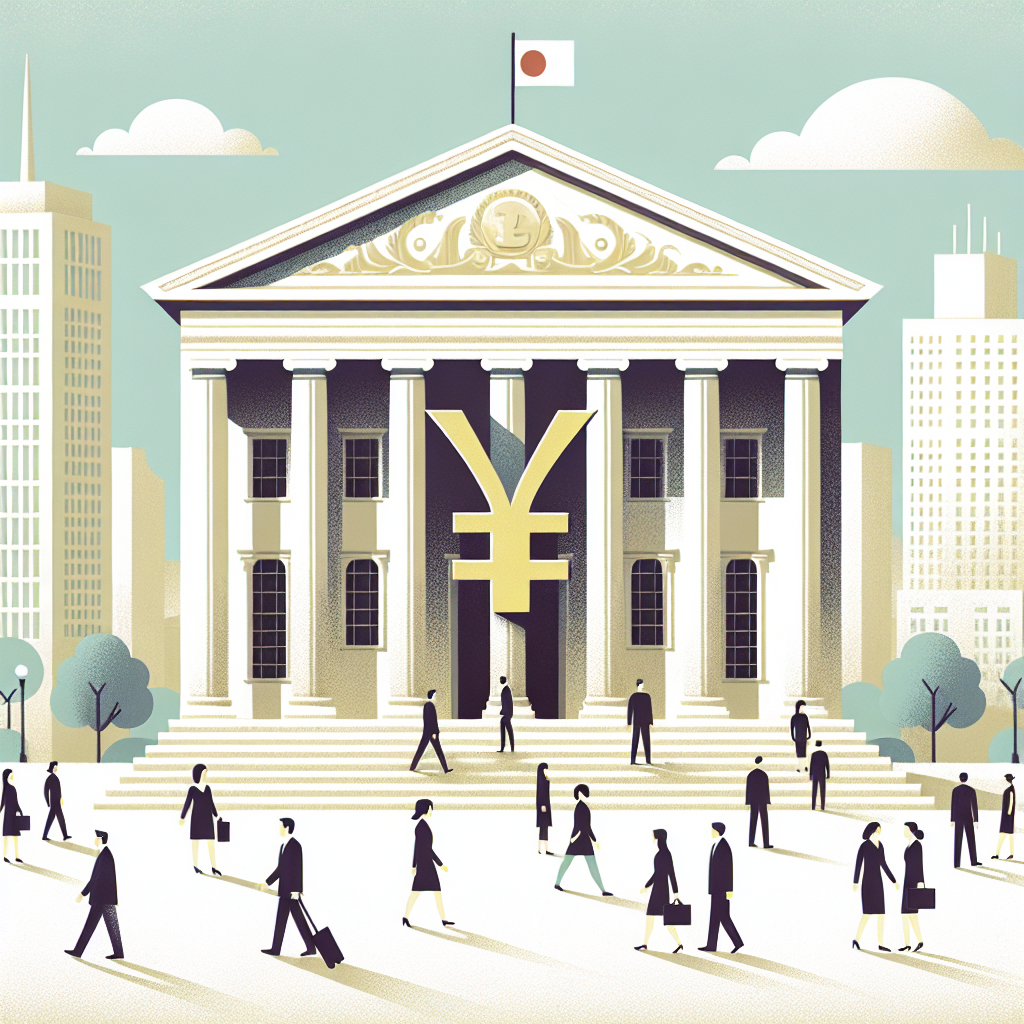
The Bank of Japan (BOJ) chose not to participate in a joint central bank statement backing U.S. Federal Reserve Chair Jerome Powell, citing political sensitivities and the looming February election as reasons for its absence.
According to anonymous sources, the BOJ consulted with the Japanese government about signing the statement, but time constraints and concerns over U.S. relations influenced the decision not to sign. This conservative approach aligns with the BOJ's history of avoiding political engagements.
Japan's Prime Minister Sanae Takaichi's upcoming early election adds further complexity to the BOJ's decisions, as political pressures potentially influence its monetary policy. Former BOJ board member Takahide Kiuchi noted that the BOJ's stance reflects its effort to maintain independence while navigating domestic and international political landscapes.
ALSO READ
-
Yen's Dive Post-BOJ Rate Hike: Market Watches for Next Moves
-
Trump's Rate War with the Fed: A High-Stakes Economic Drama
-
Global Shares Surge Amidst Central Bank Rate Decisions
-
Wall Street's Resurgence: Market Gains Amid Easing Pressures
-
Currency Movements Amid Fed's Rate Decisions: USD, Euro, Yen in Focus


 Google News