

Nepal's Political Crossroads: A Nation Votes Amidst Calls for Change
Nearly six months after youth-led protests forced Nepal's prime minister to step down, citizens voted in a general election to elect a new parliament. The nation grapples with political instability, economic challenges, and corruption. Key players include seasoned parties, along with emerging candidates resonating with younger voters.
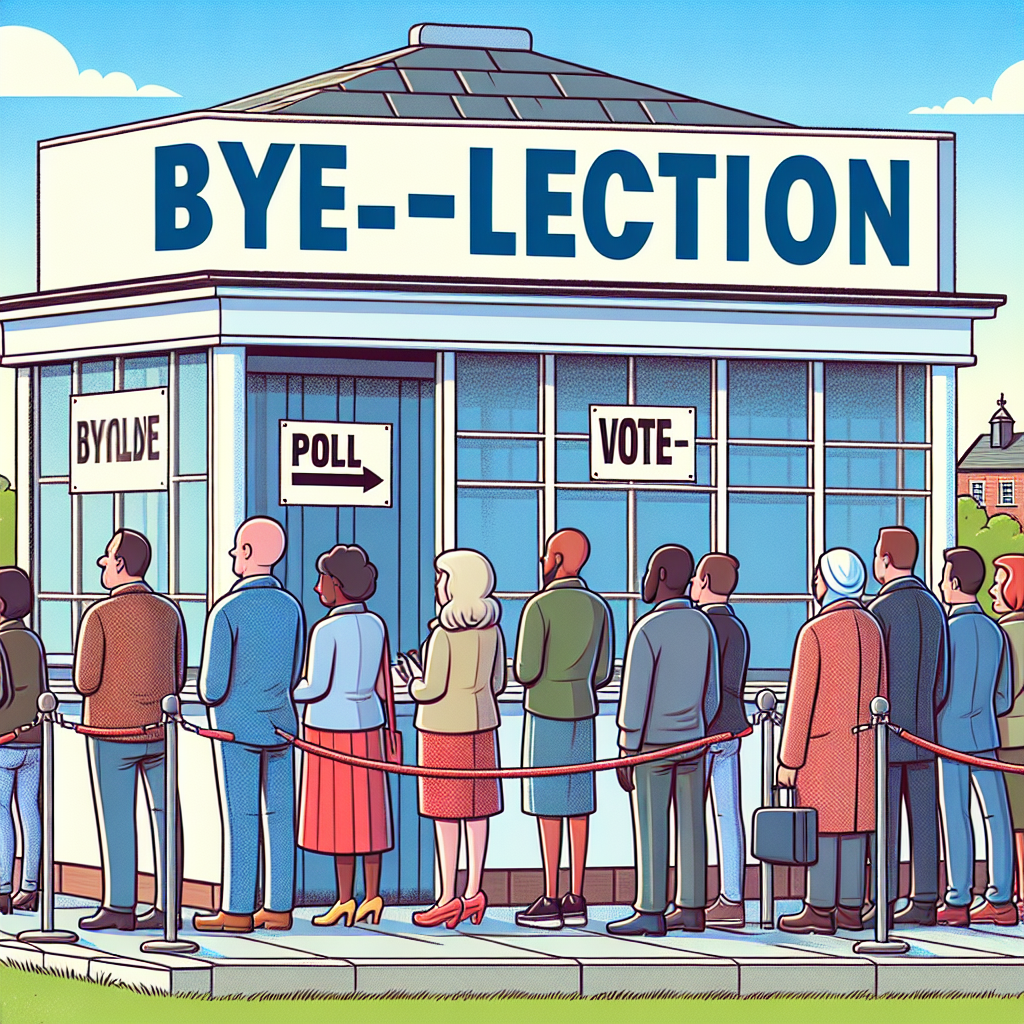
Nepal finds itself at a historic juncture six months following massive youth-led protests that led to the deaths of 77 people and the resignation of the then-prime minister. On Thursday, voters began casting their ballots in a critical general election that will chart the future of this Himalayan nation.
Perched between geopolitical giants China and India, Nepal has been entangled in political instability for decades. The unrest, sparked by a controversial social media ban last September, saw thousands clash with authorities, heralding a call for change among the nation's 30 million citizens.
As the country heads to the polls, the spotlight is on a new political player, the Rastriya Swatantra Party, and its charismatic leader Balendra Shah, a rapper-turned-politician. Young voters are rallying behind him, signaling a potential shift in a political landscape long dominated by traditional parties.
ALSO READ
-
Lumbini’s Sacred Future Takes Shape With Heritage Protection and Local Jobs at Heart
-
Japan-Backed ILO Projects Help 23,000 Workers Gain Rights and Fight Child Labour
-
UNDP and World Bank Join Forces to Unlock Investment and Jobs in Five Nations
-
South Korean President Lee Jae Myung Rules Out Second Term
-
Brazil's Presidential Runoff: Lula vs. Bolsonaro in Tight Race


 Google News