

Hungary's Political Shift: Tisza's Triumph Over Orban Ends 16-Year Rule
Viktor Orban, Hungary's long-serving nationalist leader, was defeated by the Tisza party in the national election, ending his 16 years in power. The victory for Peter Magyar's center-right party marks a significant political shift, with implications for Hungary, the European Union, and international relations.
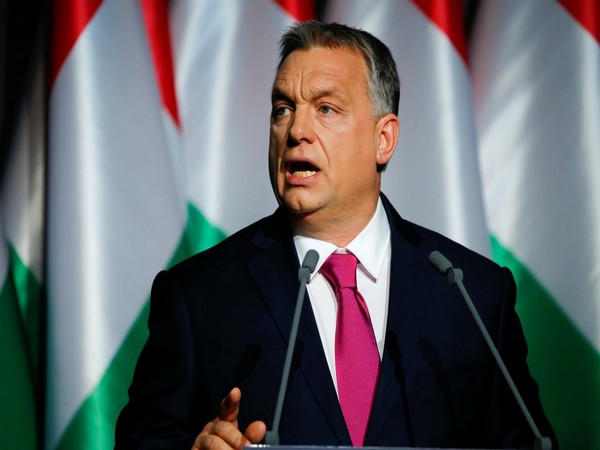
In a significant political upheaval, Hungary's nationalist leader Viktor Orban was ousted from power by the ascendant center-right Tisza party in a national election on Sunday. His 16-year tenure came to an end as voters showed disfavor towards prolonged economic stagnation and increasing international isolation.
Peter Magyar, 45, led the Tisza party to a comfortable majority in the 199-seat legislature, heralding promises of reforms to a system criticized for undermining democratic norms. The sweeping victory, characterized by high voter turnout, was seen as a pivotal moment for Hungary's future direction.
European leaders anticipate a more cooperative Hungary under Magyar, potentially allowing the release of blocked EU funds and loans. Orban's defeat signals a possible end to Hungary's adversarial facing within the EU and a shift in the region's political dynamics.


 Google News