

Gulf Tensions: The Fallout of Iran-U.S. Conflict
Iran escalated tensions with the U.S. by targeting its military installations in Gulf states after U.S. strikes in Iran, challenging a fragile ceasefire. The situation complicates before Ayatollah Ali Khamenei's burial, affecting global oil prices and risking a broader conflict involving critical maritime passages.
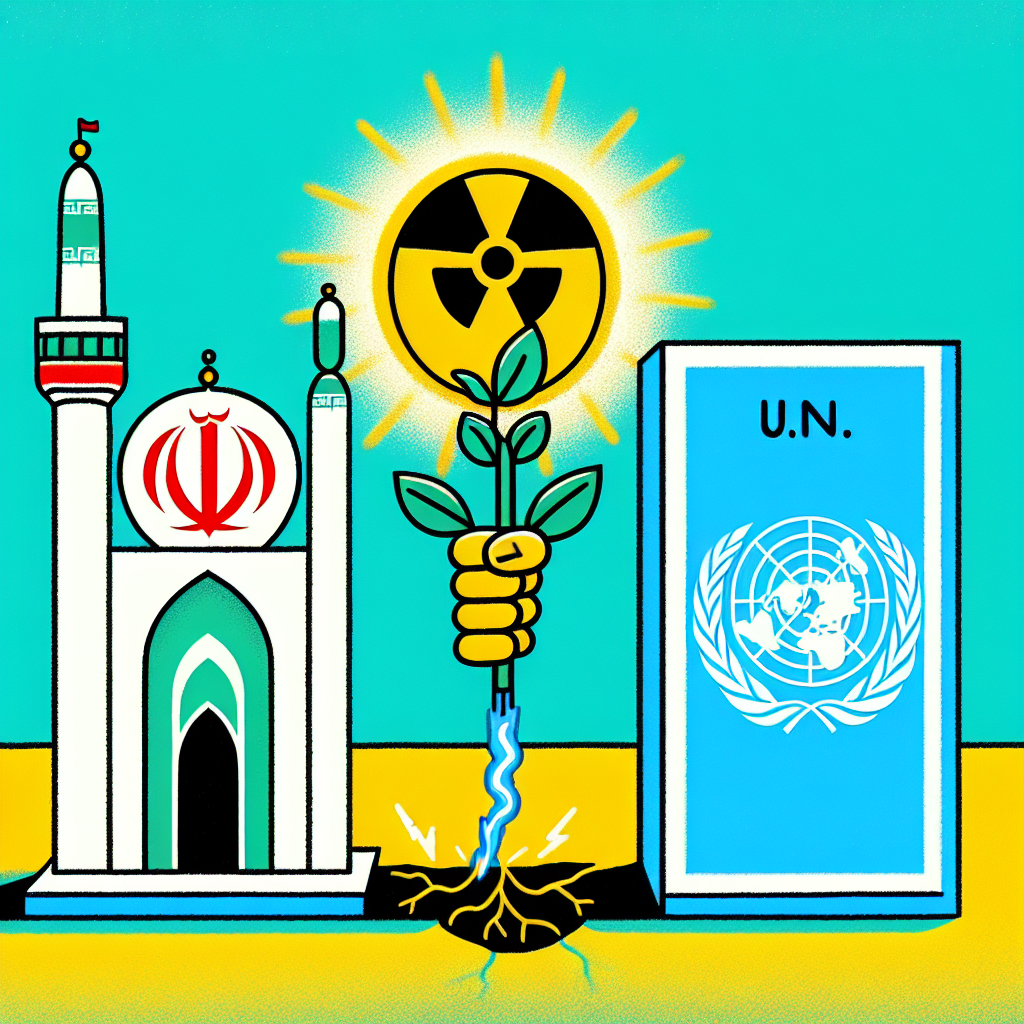
Tensions have escalated in the Gulf region as Iranian forces targeted U.S. military installations in neighboring Gulf states. This follows U.S. strikes on southern and eastern Iranian provinces, further stressing a fragile ceasefire agreement in place for three weeks. Markets reacted to the renewed conflict, with oil prices fluctuating.
Iran is also grappling with the assassination of its Supreme Leader Ayatollah Ali Khamenei, who was killed in a U.S. airstrike. His burial is set for the country's holiest site in Mashhad, a culmination of nationwide funeral processions. Meanwhile, Iran claims U.S. attacks have resulted in multiple casualties.
The Strait of Hormuz, a crucial oil chokepoint, stands as a focal point in this conflict, with both nations vying for control. Diplomatic efforts appear stalled as the conflict continues to challenge global oil supplies and international relations.


 Google News