

Standoff in the Strait: Tensions, Tankers, and Tolls in the Gulf
The ongoing conflict between Iran and the U.S. has heightened tensions, affecting oil tanker traffic through the Strait of Hormuz, leading to increased gasoline prices. Iran demands U.S. concession on the strait to resume talks. Meanwhile, the conflict's economic toll is felt globally with rising oil and gasoline prices.
- Country:
- United States
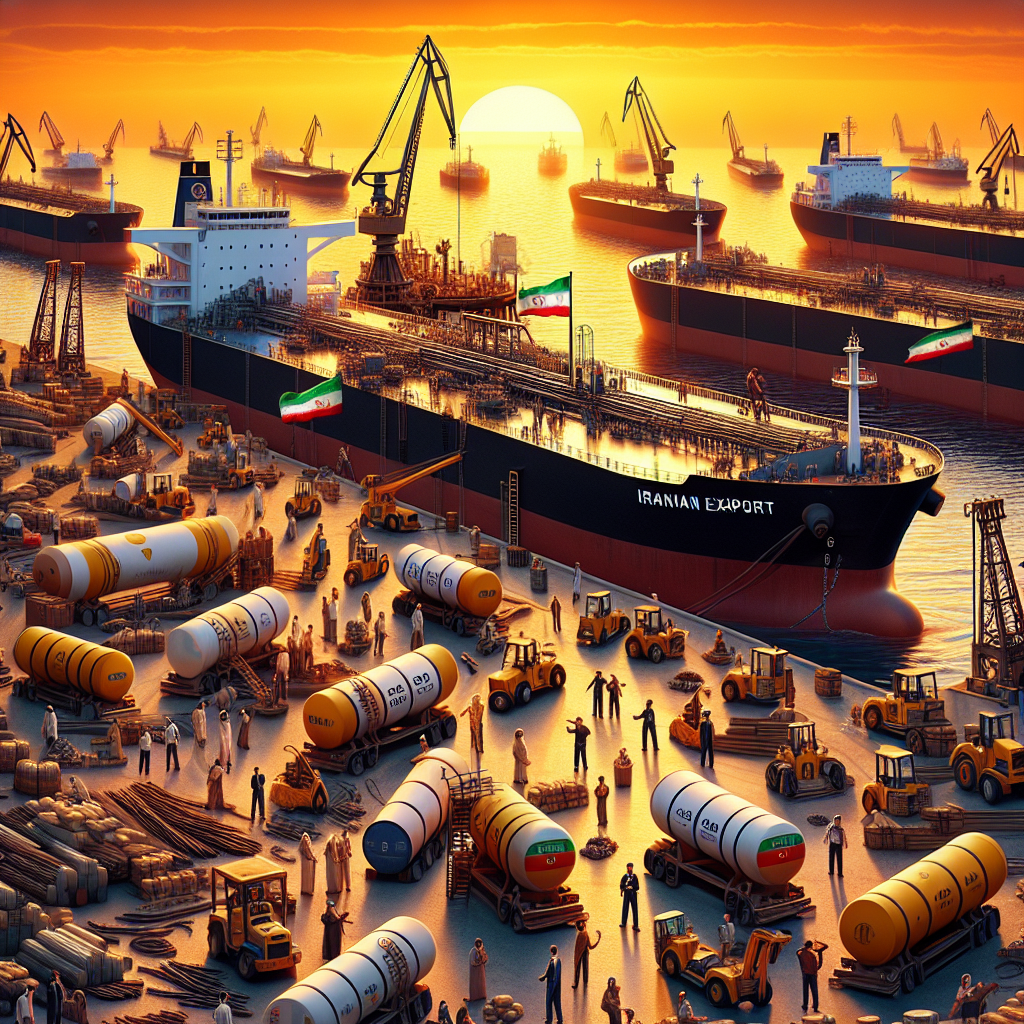
The geopolitical conflict between Iran and the United States persists, with neither side showing signs of concession. The strategic Strait of Hormuz remains blocked, impacting global oil trade routes and escalating fuel prices.
Iran's insistence on commanding the strait has halted progress on any peace negotiations, with Tehran demanding that the U.S. first accept 'the reality of defeat.' Concurrently, American citizens are urged to endure rising fuel costs, as the standoff allegedly aims to prevent Iran from obtaining nuclear capabilities.
This conflict is not only inflating fuel costs but also provoking broader economic repercussions worldwide. Amid mounting tensions, both nations have vowed further financial measures, signaling no immediate resolution to the ongoing crisis.


 Google News