



Science News Roundup: Scientists propose Tyrannosaurus had three species, not just 'rex'; Breakthrough gene-editing technology belongs to Harvard, MIT -U.S. tribunal and more
Fedorov's tweet included a picture of the back of a military-looking truck, loaded with terminals. Modified T cells may help those on immunosuppressants; ECMO machines improve COVID survival The following is a summary of some recent studies on COVID-19.
Following is a summary of current science news briefs.
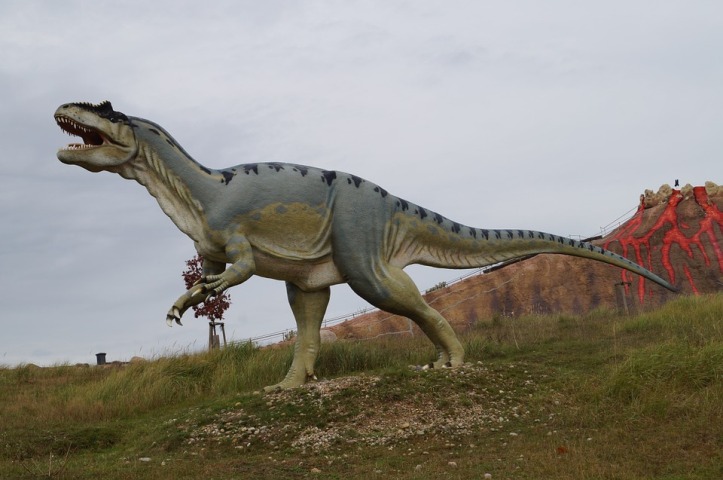
Scientists propose Tyrannosaurus had three species, not just 'rex'
A group of researchers is proposing that Tyrannosaurus, the most famous of all dinosaurs and the ultimate apex predator, actually includes three species and not just the single T. rex, based on thighbone and tooth variations among dozens of its fossils. T. rex, meaning "tyrant lizard king," has been the sole species of the genus Tyrannosaurus recognized since the dinosaur was first described in 1905. A genus is a broader grouping of related organisms than a species.
Breakthrough gene-editing technology belongs to Harvard, MIT -U.S. tribunal
A U.S. tribunal overseeing patent disputes ruled on Monday that patents on the breakthrough gene-editing technology known as CRISPR belong to Harvard University and the Massachusetts Institute of Technology. The U.S. Patent and Trademark Office's decision is a defeat for the University of California, Berkeley; the University of Vienna and Nobel Prize-winning researcher Emmanuelle Charpentier.
Seals help Japanese researchers collect data under Antarctic ice
A seal wearing a helmet with an antenna might look unusual, but eight Weddell seals, each with a 580g monitoring device on their heads, have been helping Japanese researchers survey the waters under the thick ice sheet in Antarctica. Tapped for a research project between March and November 2017 - winter in Antarctica - these seals were equipped with the head-mounted conductivity, temperature and depth sensor, which allows scientists to collect observation data, such as water temperatures and salt levels, in areas with extremely harsh environmental conditions.
China's agriculture ministry says to facilitate commercialization of GM soybeans, corn
China's agriculture ministry said on Monday that it will facilitate the commercialization of genetically modified soybeans, corn and cotton crops. China will improve the management of GM varieties of the crops, the Ministry of Agriculture and Rural Affairs also said in its 2022 work plan of regulation on GM crops.
Ukraine gets Starlink internet terminals - and friendly warning about safety
Ukraine on Monday said it had received donated Starlink satellite internet terminals from SpaceX, but an internet security researcher warned these could become Russian targets. "Starlink — here. Thanks, @elonmusk," Ukraine's vice prime minister, Mykhailo Fedorov, tweeted, days after asking SpaceX's billionaire chief executive officer Elon Musk for help. Fedorov's tweet included a picture of the back of a military-looking truck, loaded with terminals.
Modified T cells may help those on immunosuppressants; ECMO machines improve COVID survival
The following is a summary of some recent studies on COVID-19. They include research that warrants further study to corroborate the findings and that has yet to be certified by peer review. Modified T cells not curbed by immunosuppressants
(With inputs from agencies.)
ALSO READ
Chief Minister Revanth Reddy to Attend Harvard Leadership Programme
Antarctica Unveiled: Hidden Landscapes Beneath the Ice Sheet
Antarctica's Hidden Landscape Unveiled: A Satellite Revolution
Unveiling Antarctica: The Ice-Covered Enigma
Antarctica's Hidden Landscape Revealed: A Glimpse Beneath the Ice


 Google News