

Science News Roundup: Ancient jawbone could give glimpse of Europe's earliest humans; Argentine 'gargoyle' shows how huge predatory dinosaurs evolved and more
The surprise find, which could be about 1.4 million years old, could also give vital clues to the evolution of the human face over the millennia, the team from the Atapuerca Foundation said. Wastewater study technique finds virus variants sooner; many patients are using meds affected by Paxlovid The following is a summary of some recent studies on COVID-19.
Following is a summary of current science news briefs.
Ancient jawbone could give glimpse of Europe's earliest humans
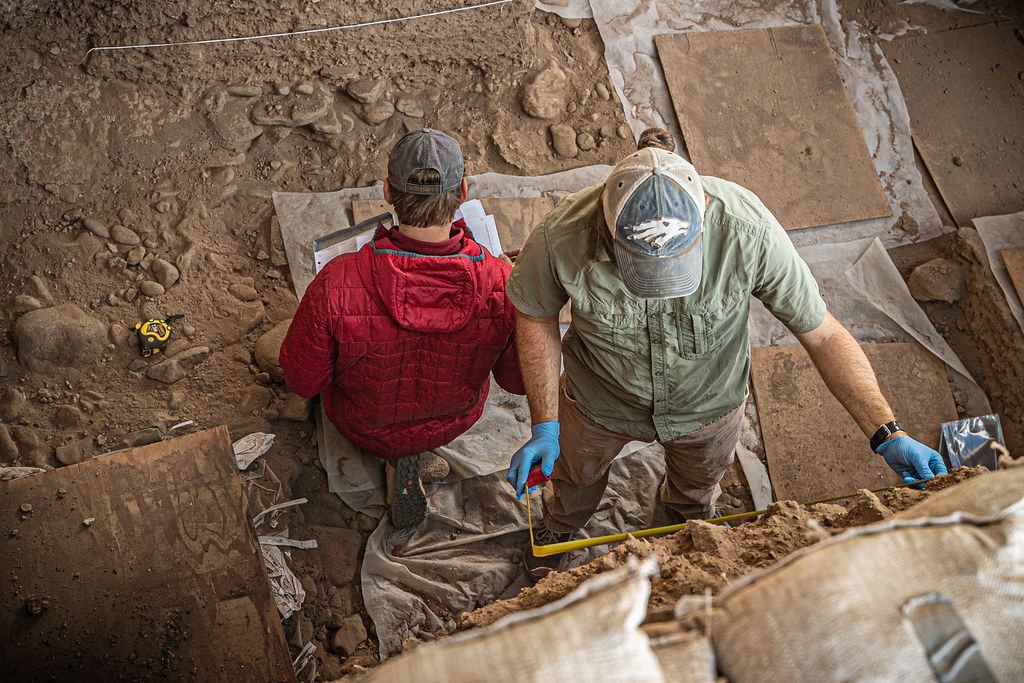
Archaeologists in Spain said on Friday they had dug up an ancient jawbone that could help them look into the face of some of the earliest human ancestors in Europe. The surprise find, which could be about 1.4 million years old, could also give vital clues to the evolution of the human face over the millennia, the team from the Atapuerca Foundation said.
Wastewater study technique finds virus variants sooner; many patients are using meds affected by Paxlovid
The following is a summary of some recent studies on COVID-19. They include research that warrants further study to corroborate the findings and that has yet to be certified by peer review. New wastewater study technique find variants earlier
Argentine 'gargoyle' shows how huge predatory dinosaurs evolved
Fossils found in Argentina of a ferocious dinosaur with a huge head covered in bumps and crests reminiscent of a gargoyle are providing insight into the evolution of some of Earth's biggest predatory dinosaurs including a curious trend toward puny arms. Scientists said on Thursday they discovered in northern Patagonia extensive skeletal remains of a previously unknown species called Meraxes gigas, including one of the most complete skulls of a large meat-eating dinosaur ever unearthed. Meraxes, which lived about 90 million years ago during the Cretaceous Period, was roughly 36-39 feet (11-12 meters) long and weighed about 9,000 pounds (4 metric tons).
ALSO READ
-
Middle Corridor Could Create 2 Million Jobs and Transform Trade in Nine Nations
-
Historic Move: U.S. Army Base in Poland Signals Stronger Alliance
-
Europe on the Brink: Slovak PM Advocates for Peace Amid Rising Tensions
-
Diplomatic Exclusion Raises Alarm in U.S. Military Review
-
Europe's Migration Crisis: Fewer Arrivals, More Fatalities


 Google News