

(Updated) Aditya-L1: India's first solar probe embarks on ambitious mission to study the Sun
- Country:
- India
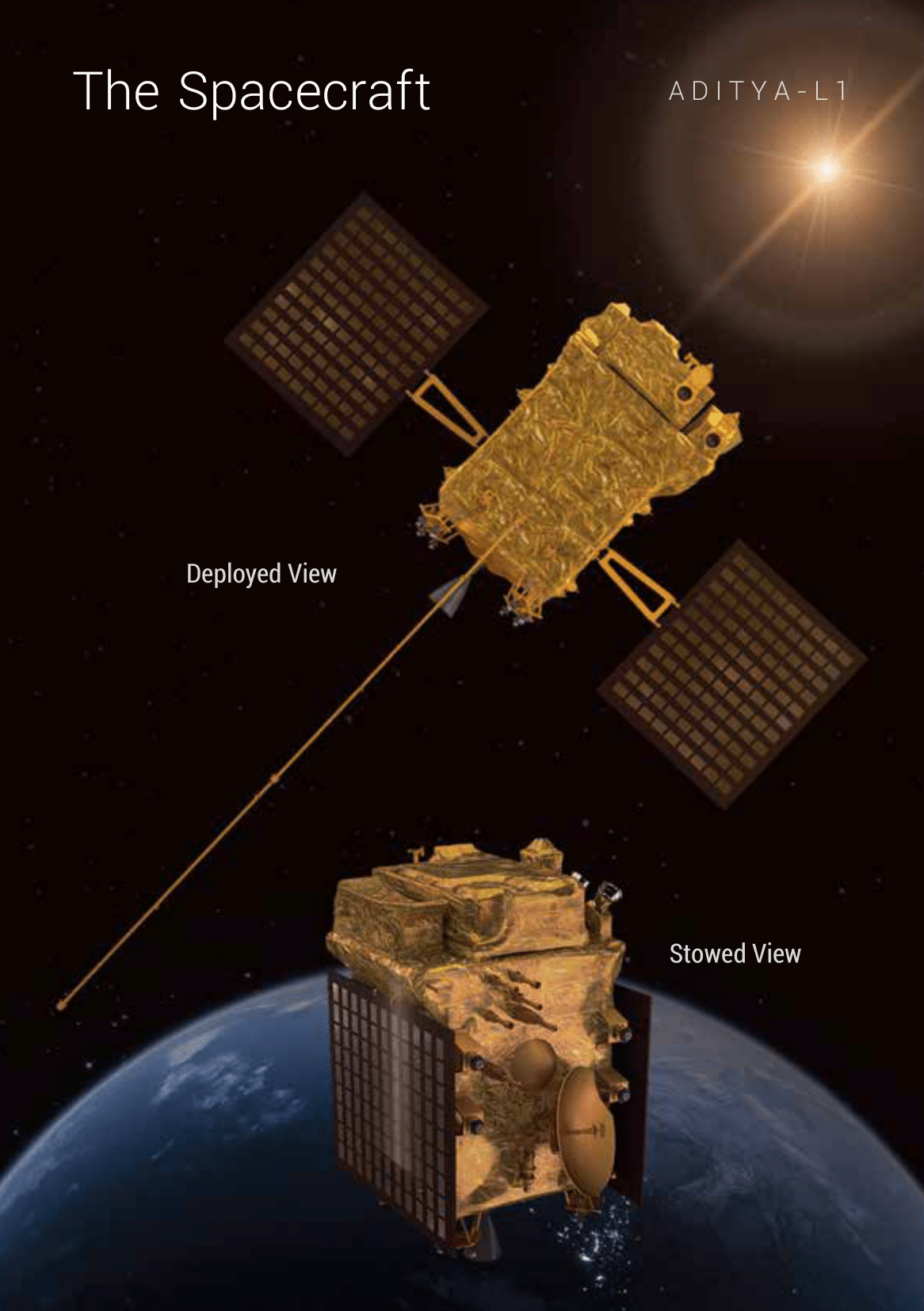
The Indian Space Research Organisation (ISRO) on Saturday launched the Aditya-L1, the first space-based Indian observatory to unlock the mysteries of the Sun. The mission lifted off on the agency's PSLV XL rocket from the Satish Dhawan Space Centre SHAR, Sriharikota.
Late last month, ISRO scripted history by soft landing a spacecraft on the Moon's South Pole as part of the Chandrayaan-3 mission. Today's launch marks another milestone in the country's growing prowess in the field of space exploration.
Aditya-L1 will be placed at the Sun-Earth Lagrange point 1 (L1), which is about 1.5 million km from the Earth - about four times farther than the Moon. Before that, the spacecraft will stay in Earth-bound orbits for 16 days, during which it will perform 5 maneuvres to gain the necessary velocity for its journey to the destination around L1.
From the L1 point, the spacecraft will be able to keep an eye on solar activities and their effect on space weather in real time. The mission aims to get a deeper understanding of:
- Coronal heating and solar wind acceleration
- Coupling and dynamics of the solar atmosphere
- Solar wind distribution and temperature anisotropy
- Initiation of Coronal Mass Ejection (CME), flares and near-Earth space weather
The Aditya-L1 probe will utilize a suite of onboard science instruments to achieve its science objectives. Of the seven payloads, four will be carrying out remote sensing of the Sun and three of in-situ observation of the local environment.
Here is the brochure: https://t.co/5tC1c7MR0u and a few quick facts:🔸Aditya-L1 will stay approximately 1.5 million km away from Earth, directed towards the Sun, which is about 1% of the Earth-Sun distance. 🔸The Sun is a giant sphere of gas and Aditya-L1 would study the… pic.twitter.com/N9qhBzZMMW
— ISRO (@isro) September 1, 2023
Update 1
ISRO's PSLV launch vehicle has successfully placed Aditya-L1 into the intended orbit.
PSLV-C57/Aditya-L1 Mission:The launch of Aditya-L1 by PSLV-C57 is accomplished successfully.The vehicle has placed the satellite precisely into its intended orbit.India's first solar observatory has begun its journey to the destination of Sun-Earth L1 point.
— ISRO (@isro) September 2, 2023
Update 2
The spacecraft performed its first Earth-bound manoeuvre on Sunday, September 3 and is now gearing up for the second manoeuvre, which is scheduled for September 5, 2023.


 Google News