

Software patch solves navigation woes of dark universe telescope 'Euclid'
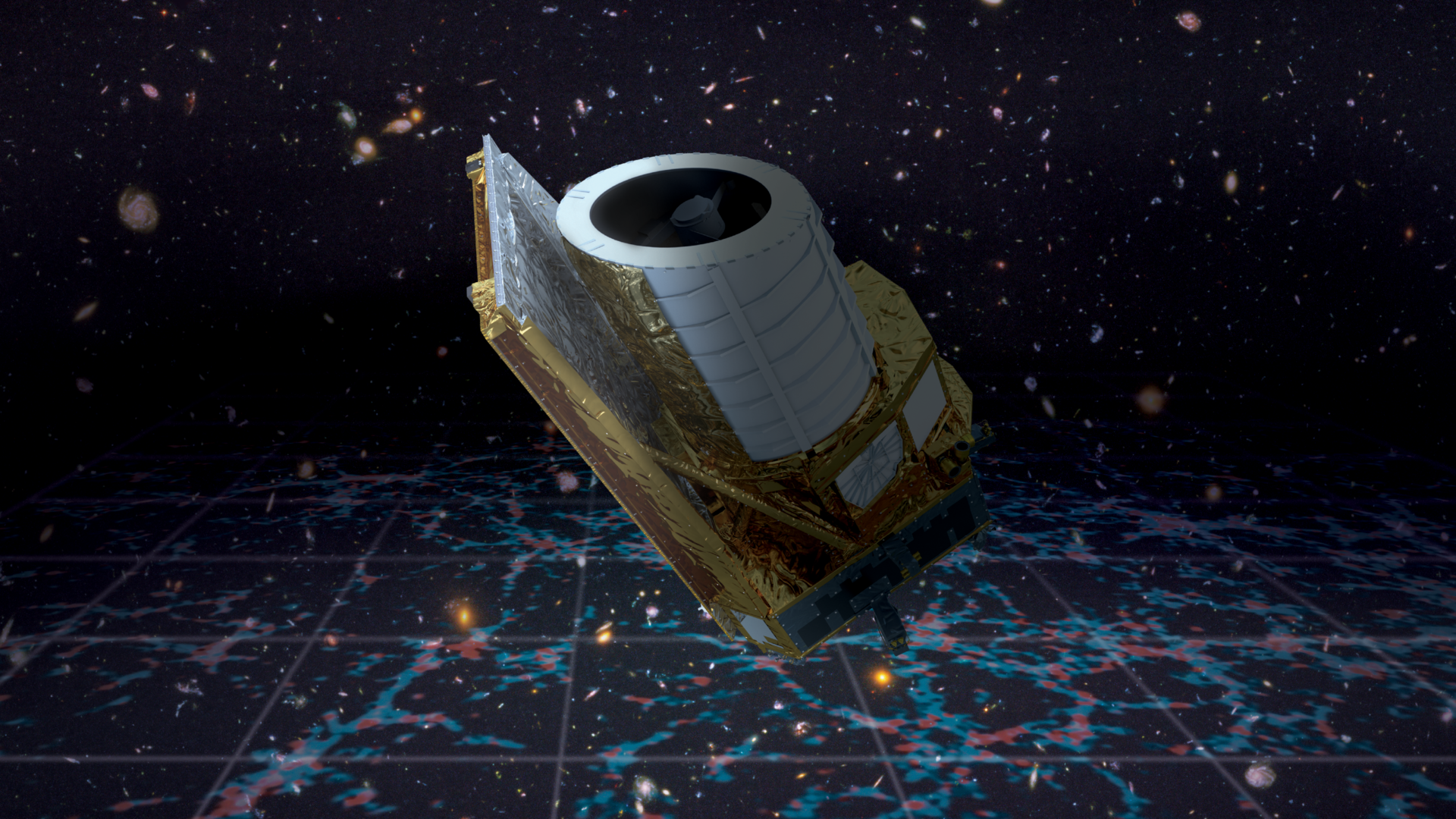
The European Space Agency's dark Universe detective, Euclid, was experiencing an intermittent issue with the fine guidance system (FGS) for a few months. The issue, which was uncovered during the commissioning phase, has now been resolved with a software patch and the telescope will now undergo its final testing in full science mode.
"After incredible work and ingenuity from teams across Europe – including many long nights – Euclid's Fine Guidance Sensor has been updated and tested for ten days in orbit, and everything is looking good. With its guide stars found, Euclid will now fully resume the all-important Performance Verification phase; its final test before it's let loose on the dark Universe," the agency said in a statement on Thursday.
.@ESA_Euclid has come to its (fine guidance) senses🥳🤩The #DarkUniverse detective has found its 'lost' stars as a software patch solves its navigation woes🩹🛰️Because, how could a mission study the subtle influences of #DarkEnergy and #DarkMatter if the stars look like ...… pic.twitter.com/ppqXbv7klL
— ESA Operations (@esaoperations) October 5, 2023
Euclid's Fine Guidance Sensor is responsible for ensuring that the mission points precisely at desired regions of the sky.
"We carefully tested the software update step by step under real flight conditions, with realistic input from the Science Operations Centre for observation targets, and finally the go-ahead was given to re-start the Performance Verification phase," said Micha Schmidt, Euclid Spacecraft Operations Manager.
Located at the Sun-Earth Lagrange point 2 (L2), Euclid will observe one-third of the entire sky, looking back 10 billion years to help us understand the physics of the early Universe and the formation of cosmic structures.


 Google News