

Starliner Reaches Space Station Despite Thruster Issues
Boeing’s Starliner capsule successfully reached the International Space Station despite facing multiple delays and thruster issues. A helium leak and thruster malfunctions presented obstacles during the flight, but NASA test pilots managed to safely dock the capsule after an extra hour in orbit.
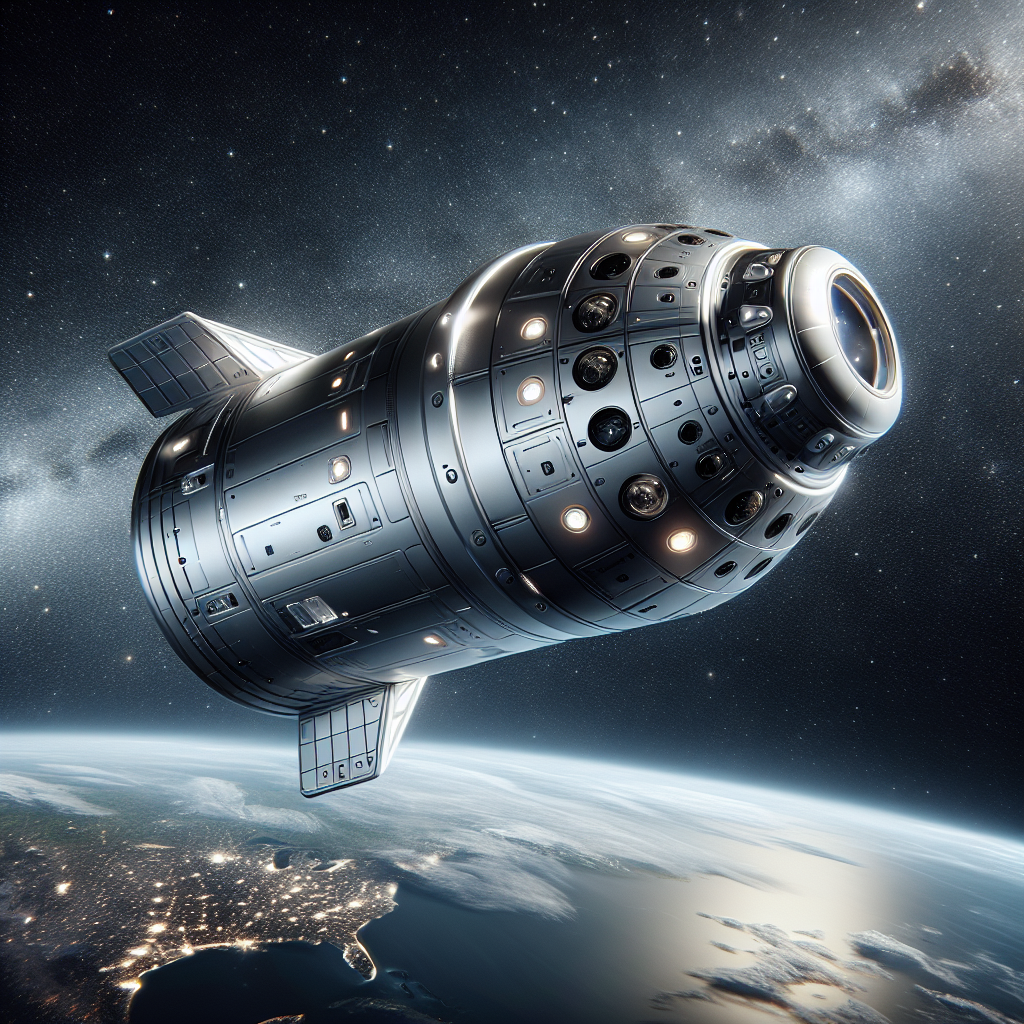
On Thursday, Boeing's new Starliner capsule successfully docked with the International Space Station (ISS), overcoming last-minute thruster malfunctions that nearly jeopardized its first test flight carrying astronauts.
The docking took place 260 miles (420 km) above the Indian Ocean, capping off over a day of high-stakes maneuvering for Boeing and NASA.
The journey had its challenges: a helium leak detected when the capsule launched Wednesday with two NASA astronauts onboard, followed by additional leaks and thruster failures. Despite these issues, NASA test pilots Butch Wilmore and Suni Williams adeptly managed to restart three out of the four failed thrusters, allowing Starliner to proceed with docking.
Boeing spokesman Jim May assured that the helium leaks posed no safety risk, noting the capsule carried ample reserves. Engineers had already devised contingency plans for any further leaks, attributing the initial problem to a small faulty seal.
This mission marks Boeing’s entry into NASA's ISS transportation program, previously dominated by SpaceX since 2020. Starliner will remain docked for at least eight days before returning to Earth, signaling a significant milestone for Boeing after years of delays and safety concerns.


 Google News