

India's Ambitious Cheetah Reintroduction: A Global First
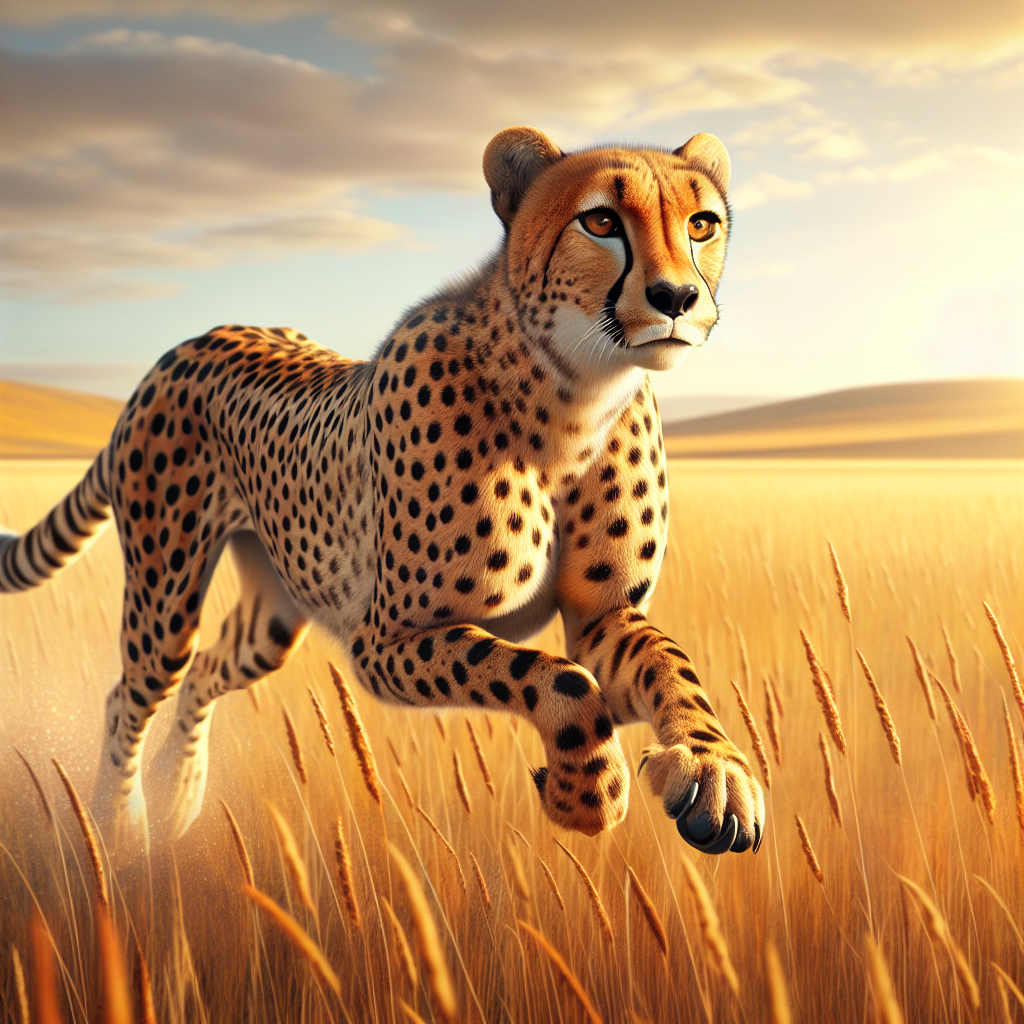
The African cheetahs relocated to India, as part of a pioneering intercontinental effort, will begin phased reintroduction into the wild at Kuno National Park. Plans include expanding habitats and importing more cheetahs to bolster a breeding program. Successful acclimatization remains a key focus amid past challenges.
- Country:
- India
In a groundbreaking wildlife translocation effort, the African cheetahs brought to India will soon roam the wilds of Kuno National Park, officials announced on Monday. This marks the start of a phased reintroduction, a prominent cornerstone of the country's ambitious cheetah conservation project.
The plan features distinct areas for the release of the Agni-Vayu and the Prabhash-Pavak coalitions, with conscious efforts to distribute both male and female cheetahs to avert overcrowding and conflict. The project, however, faces challenges from cheetah fatalities due to infections linked to unexpected coat growth during Indian summers.
India's Plan for Cheetah Reintroduction aims for ongoing partnerships with South Africa and Kenya to achieve a sustainable cheetah population by introducing up to 14 cheetahs annually over five years. Key initiatives include a breeding center in Gujarat and creating a vast cheetah conservation complex in the Kuno-Gandhi Sagar region.


 Google News