

Frozen Giants and Robotic Heroes: Unveiling Earth's Wonders
In Siberia, a remarkably preserved young mammoth was found in permafrost, sparking significant scientific interest. Meanwhile, South Korean researchers have developed an exoskeleton robot enabling paraplegics to walk, climb, and navigate obstacles, aiming to integrate it into daily life seamlessly.
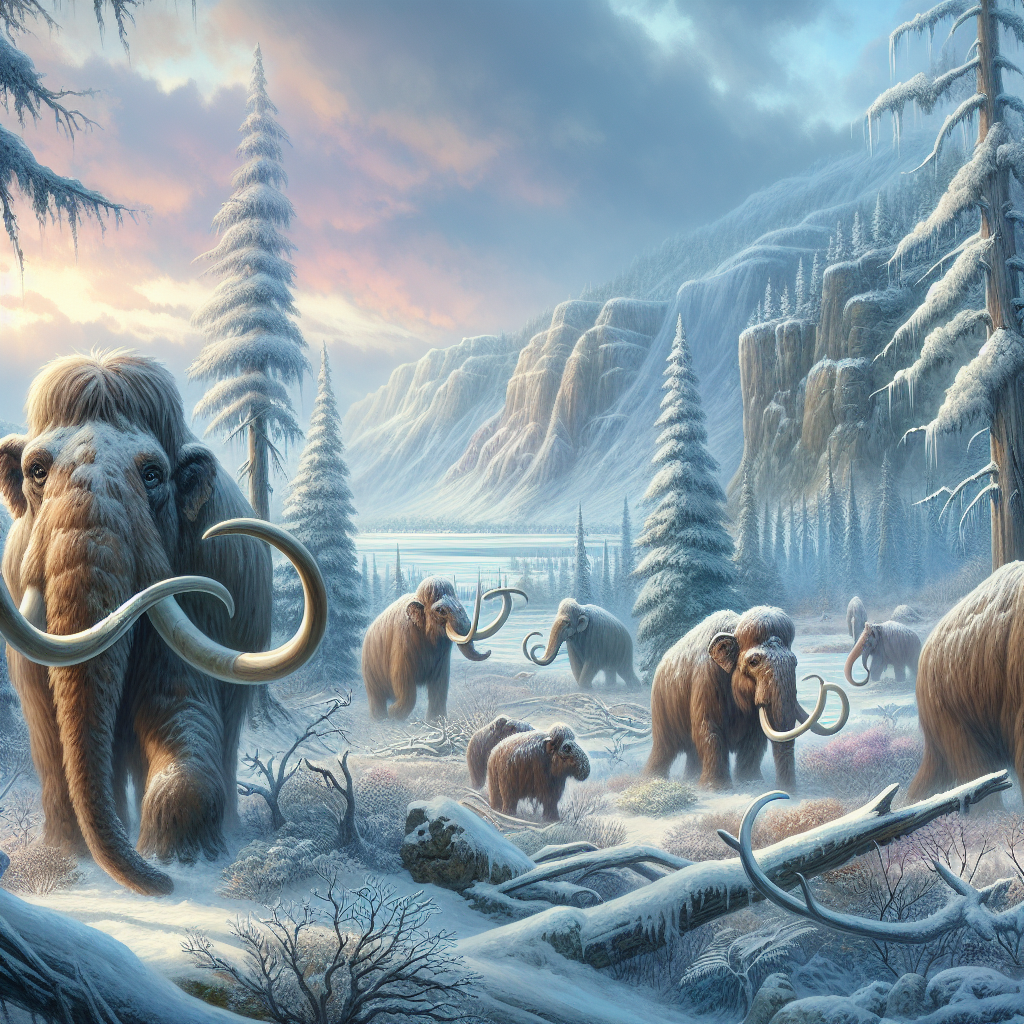
In the Siberian cold, a groundbreaking discovery has emerged: the remains of a young mammoth, frozen intact for over 50,000 years. Unearthed from the Batagaika crater, this specimen presents a rare opportunity for scientists to delve into prehistoric life, with implications nudged by climate change.
Across the globe in South Korea, innovation strides forward with the development of a 'Iron Man' robot designed to assist paraplegics. This lightweight wearable device, crafted by KAIST, aims to revolutionize mobility for those who cannot walk independently, enhancing their ability to navigate daily environments with ease.
Both cases shed light on the intersection of ancient discoveries and cutting-edge technology, revealing how nature and science are intertwined in transforming our understanding of life.


 Google News