

India's Battle Against Household Air Pollution: A Call to Action
India's approach to addressing household air pollution, a significant contributor to PM2.5 levels and health risks, is highlighted at the WHO conference. Kalpana Balakrishnan advocates for investment in clean energy, echoing China's success. Despite financial allocations, challenges remain in effectively utilizing resources to combat air pollution.
- Country:
- Colombia
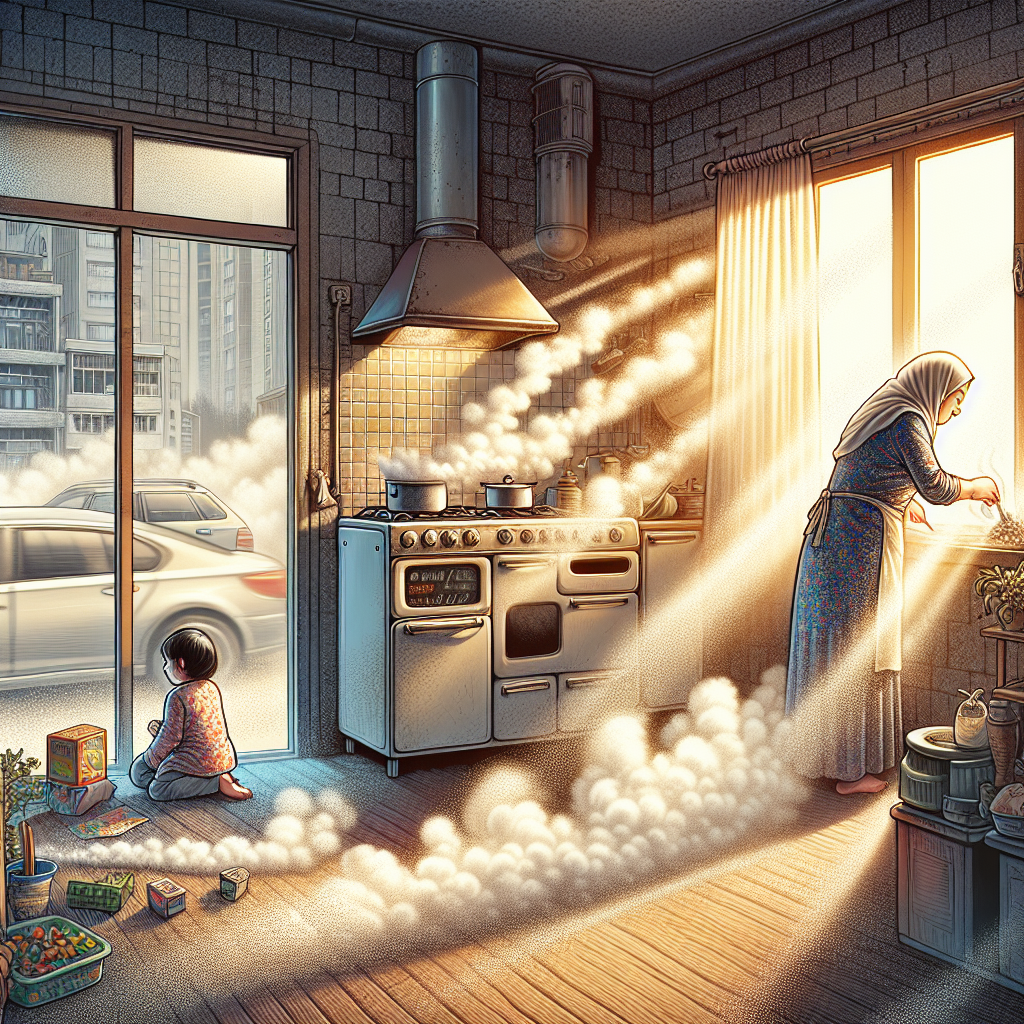
Household air pollution from biomass fuels stands as a pivotal issue in India's National Clean Air Programme (NCAP), notes Kalpana Balakrishnan of the WHO Collaborating Centre for Occupational and Environmental Health. Her insights came during the WHO conference in Cartagena, Colombia, emphasizing India's infrastructure to effectively address this environmental challenge.
Balakrishnan highlighted that a modest investment could markedly reduce ambient PM2.5 levels and residential exposures, especially in rural areas. With 41% of Indians still using biomass fuels, resulting in 340 million tonnes of CO2 emissions annually, the imperative for action is urgent.
Maria Neira, WHO Director, underscored the global health dangers posed by air pollution, attributing nearly seven million annual deaths to this risk. India could follow China’s path in phasing out solid cooking fuels, a major step towards cleaner air and enhanced public health.
ALSO READ
-
Green Ammonia Push Gets ADB and Japan Backing for Renewable Energy Plant
-
India's Rural Transformation Offers Global Lessons in Prosperity and Farmer Resilience
-
Japanese Lawmakers Visit India to See Worker Protection and Skills Projects in Action
-
Indian Unions Push for Fair Recruitment and Rights for Care Workers in Germany
-
Cleaner Kitchens, Polluted Skies: Hidden Health Cost of India’s Electricity Boom


 Google News