

Ancient Jawbone Discovery Sheds New Light on Mysterious Denisovans
Scientists have identified an ancient jawbone found in Taiwan as belonging to the enigmatic Denisovans, an extinct group of early human ancestors. This discovery broadens the geographical understanding of Denisovan existence, previously known only from fossils in Siberia, Tibet, and possibly Laos. The research, although promising, calls for further verification.
- Country:
- United States
Scientists revealed Thursday that an ancient jawbone discovered in Taiwan has been identified as belonging to the enigmatic Denisovans, a group of early human ancestors. This significant find expands understanding of where Denisovans, who also interacted with Neanderthals and Homo sapiens, once lived.
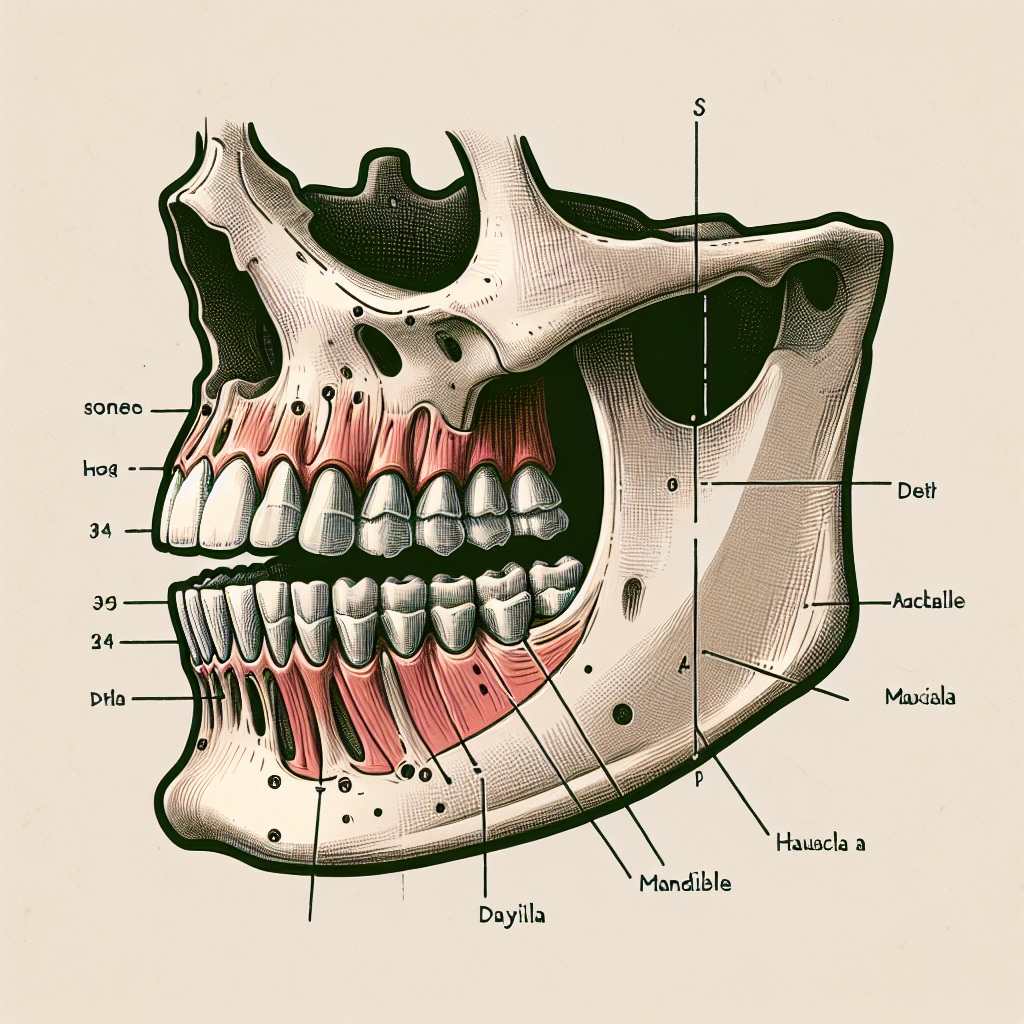
Relatively few Denisovan fossils exist, with known specimens previously found only in Siberia and Tibet, and possibly Laos. The newly identified jawbone was recovered from the seabed in the Penghu Channel near Taiwan Strait, initially sold to an antique shop before reaching Taiwan's National Museum of Natural Science.
Based on protein analysis that matched those from a Denisovan fossil found in Siberia, the jawbone's identification offers new insight, although Smithsonian's Rick Potts urged caution until more data confirms the link. Researchers continue to explore the genetics of coexistence among Denisovans, Neanderthals, and Homo sapiens in Eurasia.


 Google News