

Escalating Risks at Zaporizhzhya Nuclear Plant as IAEA Experts Face Gunfire, Drone Threats
In recent discussions with plant staff, the IAEA team examined several key operational matters, including personnel staffing levels and maintenance work on essential safety systems.
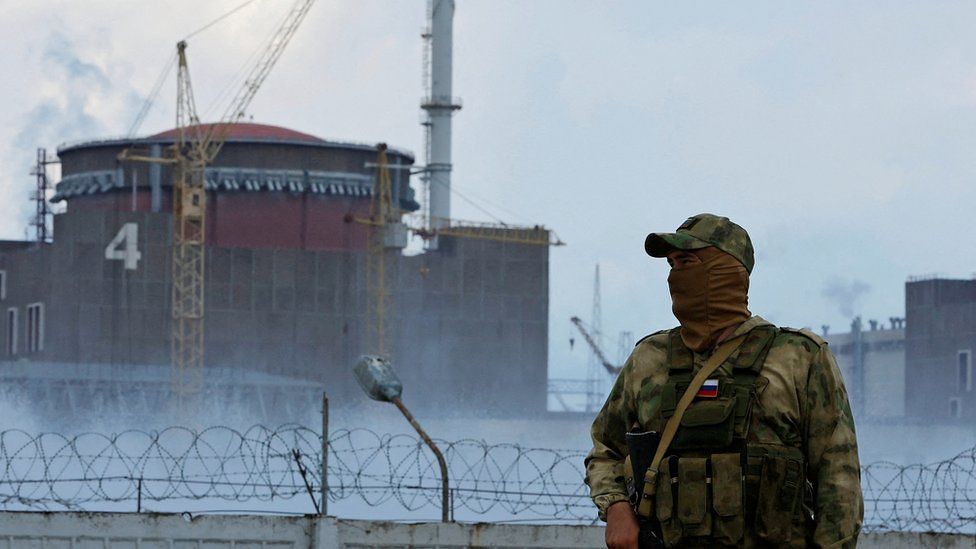
The Zaporizhzhya Nuclear Power Plant (ZNPP), Europe's largest nuclear facility, is once again under the global spotlight following a series of alarming security threats that disrupted International Atomic Energy Agency (IAEA) operations earlier this week. According to Director General Rafael Mariano Grossi, IAEA experts stationed at the plant were forced to remain indoors after multiple loud gunfire bursts were heard near the site's main administrative building — the very location of their office.
The cause of the disruption was identified as a nearby drone threat, which led to the suspension of the team's planned monitoring activities and triggered a plant-wide shelter-in-place order. This latest event underscores the fragile and precarious conditions under which nuclear safety professionals continue to operate amid the ongoing conflict in Ukraine.
Daily Dangers Become Routine at Zaporizhzhya
Director General Grossi highlighted the alarming normalization of military threats near such a critical facility. "What was once virtually unimaginable – evidence of military action in the vicinity of a major nuclear facility – has become a near daily occurrence and a regular part of life at Europe's largest nuclear power plant," he stated. "From a nuclear safety perspective, this is clearly not a sustainable situation."
Despite the constant sound of gunfire and explosions in the surrounding region, the IAEA experts remain resolute in their mission. They have continued to carry out walkdowns — physical inspections of key plant areas — to assess the integrity and performance of nuclear safety and security systems. Recent site visits included inspections of the low-level solid radioactive waste storage facility and other vital components across the vast ZNPP industrial site.
Operational Adjustments and Maintenance Efforts
In recent discussions with plant staff, the IAEA team examined several key operational matters, including personnel staffing levels and maintenance work on essential safety systems. These interactions are crucial to maintaining nuclear safety, especially in conflict zones where infrastructure is at risk of damage and routine operations are constantly interrupted.
Safety Monitoring Across Ukraine's Nuclear Network
The ZNPP is not the only site under observation. IAEA teams have maintained a presence at Ukraine's other operating nuclear power plants: Khmelnytskyy, Rivne, and South Ukraine. All three facilities continue to generate electricity, though some reactors are in scheduled outages, while others have had to curtail production based on grid demands.
-
Khmelnytskyy NPP: One reactor is currently in maintenance and refuelling shutdown. The second unit reduced power output for 36 hours earlier this week at the request of the national grid operator.
-
Rivne NPP: A second reactor was taken offline for routine maintenance and refuelling, while a third unit reduced power temporarily, also due to grid demand changes.
-
South Ukraine NPP: This facility reported variations in power output as well. On April 17, the IAEA team was informed that seven drones had been detected just 2 kilometers east of the site — an increasingly common occurrence in the conflict zone.
The IAEA's teams at Rivne, South Ukraine, and the Chornobyl Exclusion Zone all underwent scheduled rotations over the past week, ensuring continuous monitoring despite the challenging environment.
Strengthening Ukraine's Radiation Monitoring Infrastructure
In parallel with its monitoring efforts, the IAEA continues to deliver vital safety assistance to Ukraine. In its 131st shipment of nuclear safety and security aid since the war began, the agency supplied the Hydrometeorological Centre and associated emergency services with radiation detection and measurement equipment. The delivery, made possible through funding from Austria and the United States, included high-precision reference sources, bolstering Ukraine's capabilities for radiation surveillance and emergency preparedness.
A Stark Reminder of Nuclear Vulnerability in Conflict
The Zaporizhzhya incident is the latest — but certainly not the last — in a string of security challenges faced by Ukraine's nuclear sector. As military operations encroach dangerously close to these facilities, the IAEA reiterates its unwavering commitment to preventing a nuclear catastrophe. The agency's continued presence, inspections, and supply support are vital components in safeguarding not just Ukraine, but potentially millions of people across Europe from the risks posed by conflict-related nuclear instability.
ALSO READ
-
Mexico Builds Nuclear Expertise to Keep Laguna Verde Running Safely for Longer
-
Inside Russia’s SMR School, Where Nuclear Experience Shapes Future Energy Decisions
-
Naftogaz Sets Out Cleaner Energy Future With EIB Support and 2050 Net Zero Target
-
KSrelief and UNDP Launch $5M Lifeline for Ukraine’s War-Affected Hospitals
-
Poltava University Reopens With Safer, Greener Spaces for Nearly 3,000 Campus Users


 Google News