

Dying Fir Giants: Greece's Climate Challenge
The fir forests of Kalavryta, Greece, are facing decline due to prolonged droughts and pest infestations linked to climate change. Authorities and scientists observe increased tree mortality as temperatures rise and snow cover decreases. Efforts to mitigate damage continue amidst these climate challenges.
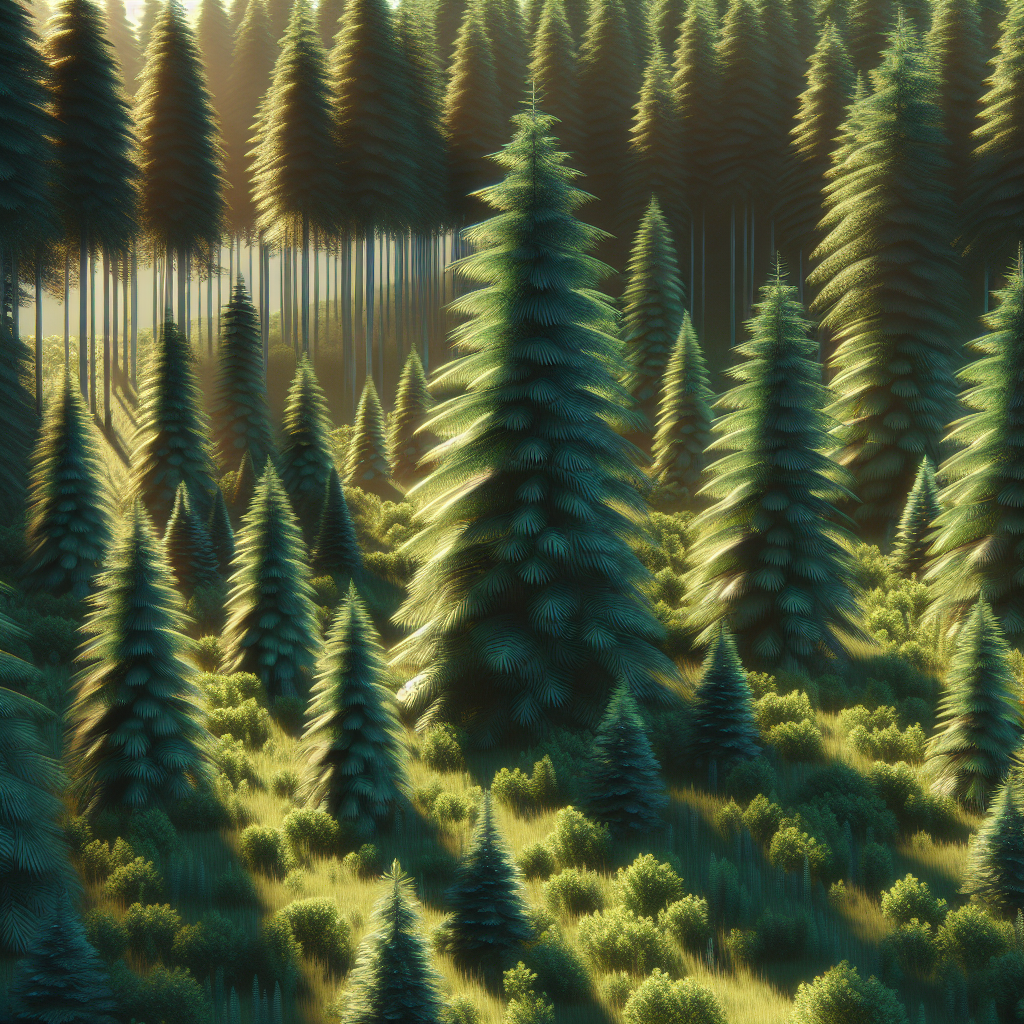
On the wooded slopes surrounding Kalavryta, a southwestern Greek village, dying fir trees punctuate the landscape. These lifeless giants, with their brittle, red-tinted needles, starkly contrast against the robust green foliage, warning of nature's slow march toward desiccation due to persistent droughts.
Historically, fir trees thrived in cooler, moist environments. However, the recent surge in drought conditions, exacerbated by rapidly changing climate patterns in Greece, has left these trees vulnerable to pests. Katerina Kolirou, head of the local forest service, notes the increasing scarcity of healthy firs amidst a sea of dead, with the village's famed Abies cephalonica being notably affected.
Wood-boring beetles, identified by forest entomologist Dimitrios Avtzis, have targeted these drought-weakened firs, tunneling through bark and disrupting nutrient transport. Similarly, Kostas Lagouvardos from the National Observatory of Athens attributes a significant decline in snow cover—a crucial moisture source for firs—to rising temperatures, paralleling trends seen in other Mediterranean regions like Spain.
ALSO READ
-
Mozambique Shapes New Climate Strategy to Protect Communities From Extreme Weather
-
Climate Change Is Deepening the Crisis for Millions Living Without a Nationality Today
-
Tunisia’s Water Crisis Puts Jobs and Growth at Risk as Economic Recovery Loses Speed
-
Climate Data Gaps Leave Communities Searching for Clear Answers to Growing Local Risks
-
Marshall Islands Rights Defenders Seek Justice Across Generations, UN Expert Says


 Google News