

Unleashing Fury: Climate Change's Role in Hurricane Melissa's Devastation
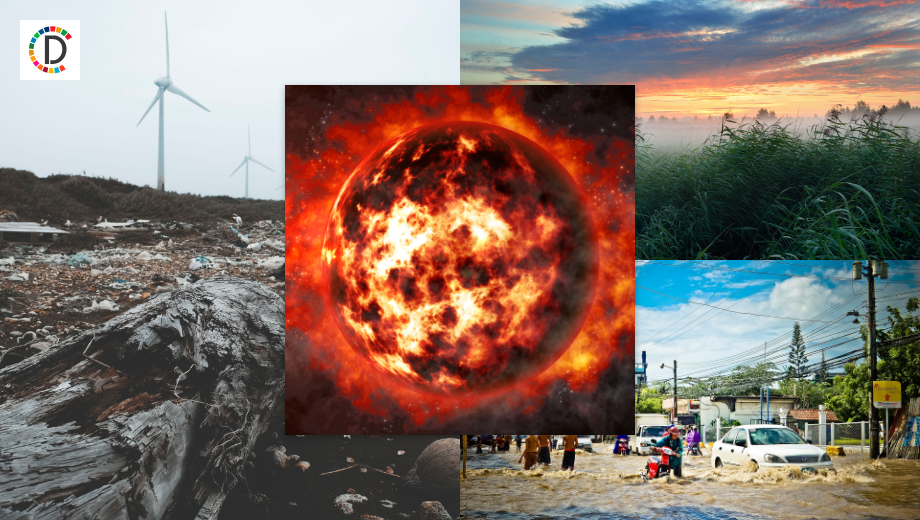
Climate change intensified Hurricane Melissa, increasing wind speeds by 7% and rainfall by 16%. The storm affected Jamaica, Haiti, Dominican Republic, and Cuba, causing extensive damage and loss of life. Warmer oceans, driven by human activity, provided the energy for Melissa's rapid intensification and destructive power.
- Country:
- United States
In a groundbreaking analysis released Thursday, scientists found that human-caused climate change intensified the destructive winds and rain of Hurricane Melissa. With increased temperatures and humidity fueling the storm, Melissa became one of the strongest Atlantic hurricanes to hit the Caribbean, resulting in devastating impacts.
The World Weather Attribution (WWA) study revealed that climate change pushed Melissa's maximum wind speeds up by 7% and intensified rainfall by 16%. These conditions were notably six times more likely due to climate change compared to a pre-industrial world, highlighting the severe consequences of warmer oceans and rising atmospheric temperatures.
Affected regions, including Jamaica, Haiti, the Dominican Republic, and Cuba, faced massive destruction, with roofs torn from homes, damaged hospitals, blocked roads, and ruined crops. As climate scientists connect rapid hurricane intensification to human activity, urgent attention to reducing carbon emissions is imperative to prevent similar future devastations.
ALSO READ
-
Hotter Years, More Cavities? Understanding Link Between Climate and Dental Health
-
IAEA and IDB Join Forces to Expand Nuclear Energy in Latin America and Caribbean
-
AI Must Understand Us: Caribbean Nations Bring Local Priorities to Global Debate
-
Miami Transport Forum to Connect Latin America’s Infrastructure Plans With Investors
-
Mozambique Shapes New Climate Strategy to Protect Communities From Extreme Weather


 Google News