

Hurricane Melissa Devastates Jamaica, Leaving Millions of Tonnes of Debris and Widespread Destruction
The Category 5 hurricane, which made landfall on 28 October, has resulted in significant loss of life, widespread displacement, and a humanitarian crisis that will take months—if not years—to recover from.
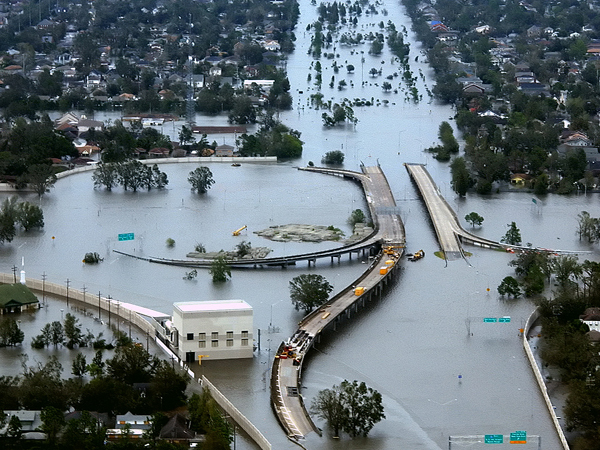
Hurricane Melissa, one of the most powerful storms ever recorded in the Caribbean, has left a trail of catastrophic damage across western Jamaica, with the United Nations Development Programme (UNDP) confirming extensive destruction and disruption to essential services. The Category 5 hurricane, which made landfall on 28 October, has resulted in significant loss of life, widespread displacement, and a humanitarian crisis that will take months—if not years—to recover from.
Massive Scale of Destruction
According to a satellite-based damage analysis conducted by UNDP, Hurricane Melissa has generated over 4.8 million tonnes of debris, blocking critical roads, isolating communities, and cutting off access to schools, hospitals, clinics, and markets. The sheer volume of wreckage has made it difficult to deliver emergency relief, slowing down aid distribution and delaying the restoration of power, water, and healthcare services.
The worst-hit areas include St. Elizabeth and Westmoreland, where up to 90 percent of buildings in some towns were damaged or destroyed. Entire neighborhoods have been flattened, with families losing homes, businesses, and vital infrastructure in a matter of hours. UNDP's AI-driven disaster assessment model estimates that as many as 32,500 people have been internally displaced, seeking refuge in temporary shelters or with relatives in less affected areas.
"Entire communities are surrounded by debris," said Kishan Khoday, UNDP Resident Representative in Jamaica. "Debris removal is critical to kick-start early recovery, restore safe access to homes and infrastructure, and revive essential services. Delay means blocked roads, vital services at a standstill, lost income, and increased suffering for those hit hardest by the storm."
A Monumental Clean-Up Challenge
The debris left behind by Hurricane Melissa is estimated to fill approximately 480,000 standard truckloads—a staggering indication of the storm's power. UNDP's preliminary breakdown shows:
-
2.1 million tonnes of building and construction debris
-
1.3 million tonnes of fallen trees and vegetation
-
1.4 million tonnes of personal property waste, including furniture, household materials, and destroyed vehicles
These estimates are conservative and expected to rise as field assessments continue, drawing on data from UNOSAT and Copernicus satellite systems. The volume of waste poses an urgent environmental and logistical challenge for Jamaica's local authorities and international relief agencies working to clear the debris and reopen vital routes.
Climate Change: A Driving Force Behind Intensified Disasters
The destruction caused by Hurricane Melissa underscores a disturbing global trend—the increasing intensity and frequency of extreme weather events driven by climate change. As the world gathers for COP30 this week, the disaster in Jamaica serves as a stark warning about the urgent need for stronger climate adaptation, disaster preparedness, and risk reduction investments.
Experts note that Small Island Developing States (SIDS), such as Jamaica, remain disproportionately vulnerable to hurricanes, floods, and droughts despite contributing minimally to global greenhouse gas emissions. Their limited economic and infrastructural resilience means that a single catastrophic event can set back years of development progress.
"This tragedy is a powerful reminder that climate resilience must be at the heart of global development," said a UNDP spokesperson. "Countries like Jamaica are on the frontlines of climate impacts—they need more financial and technical support to prepare for, respond to, and recover from such disasters."
Regional Impact Across the Caribbean
The devastation has not been confined to Jamaica. Neighboring countries across the Caribbean have also been affected.
-
In Cuba, nearly 3 million people are facing disrupted electricity and water services, as well as large-scale agricultural losses.
-
Haiti, already grappling with political instability, has reported widespread flooding and collapsed homes.
-
The Bahamas and other smaller islands have also sustained infrastructure damage and coastal erosion.
UNDP teams are coordinating with regional governments to assess damage and prioritize immediate recovery actions. Relief operations are being supported by local authorities, international NGOs, and donor countries.
UNDP's Ongoing Role in Jamaica's Recovery
UNDP, which has maintained a 50-year presence in Jamaica, is working alongside the government and partners to support damage assessments, debris clearance, and the restoration of essential services. Its recovery plan focuses on:
-
Clearing blocked roads to restore access to isolated communities
-
Repairing homes, clinics, and schools to resume public services
-
Restoring livelihoods, especially for farmers and small business owners
-
Supporting long-term resilience planning to better withstand future climate shocks
The agency's approach emphasizes building back stronger, greener, and more inclusively—integrating disaster risk reduction into national development frameworks.
A Call for Global Solidarity
Hurricane Melissa has once again exposed the fragility of small island nations in the face of escalating climate threats. Jamaica's recovery will require sustained international support, both in emergency aid and long-term investment in resilient infrastructure.
As global leaders deliberate at COP30, the images of devastation in Jamaica and across the Caribbean are a sobering call to action—highlighting the moral and practical imperative to accelerate climate finance, support adaptation measures, and safeguard communities that stand on the frontlines of a warming planet.


 Google News