

Asia’s Youth Lead Climate-Health Innovation at 2025 ACTION Hackathon
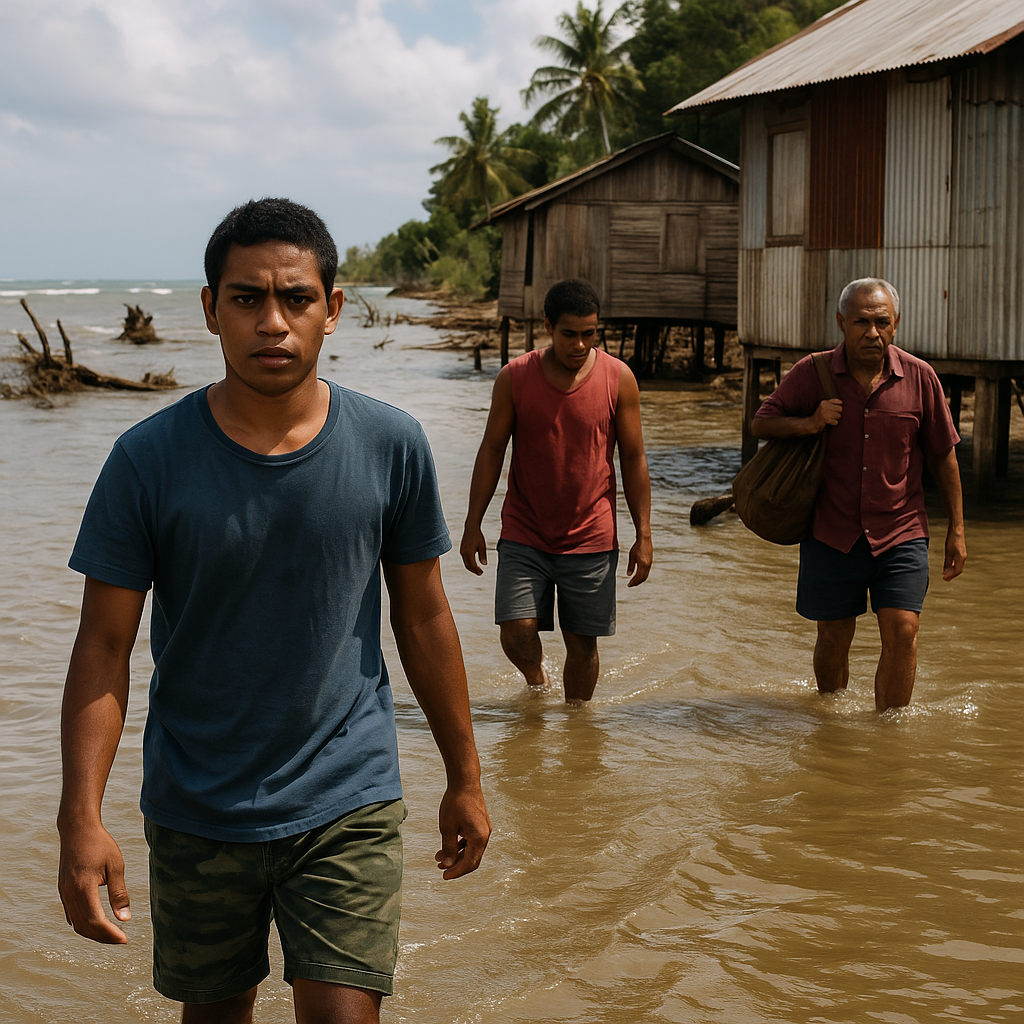
Asia is now recognized as the epicenter of climate vulnerability, facing intensifying heatwaves, deadly floods, rising sea levels, and climate-driven disease outbreaks.
In a powerful display of creativity, collaboration, and purpose, the 2025 Asian Climate–SDG Technology Innovation HackathOn for Next-generation (ACTION) has concluded its semi-final stage, bringing together Asia's brightest young innovators to tackle one of the region's most pressing challenges — the intersection of climate change and human health.
Jointly organized by Tsinghua University, The University of Hong Kong, and the National University of Singapore (NUS), the ACTION Hackathon is an ambitious platform designed to harness youth-led technological innovation for sustainable and climate-resilient development. It reflects the shared vision of leading Asian institutions to empower young people to drive real-world solutions at the frontlines of the climate crisis.
A Regional Response to a Regional Crisis
Asia is now recognized as the epicenter of climate vulnerability, facing intensifying heatwaves, deadly floods, rising sea levels, and climate-driven disease outbreaks. Millions across the continent are already experiencing the health impacts of extreme weather — from heat-related illnesses to malnutrition and vector-borne diseases.
The ACTION Hackathon directly responds to these challenges, inviting students and researchers to design scalable, affordable, and data-driven technologies that protect communities from the health consequences of environmental change.
"This initiative shows that the next generation is not waiting for change — they are creating it," said Ben Churchill, Director of the World Meteorological Organization (WMO) Regional Office for Asia and the South-West Pacific. "ACTION provides a platform where innovation, science, and determination converge to build a healthier, more resilient future."
A Milestone in Youth-Led Climate Innovation
The hackathon stems from a Memorandum of Understanding (MoU) signed in December 2023 between Tsinghua University and the World Meteorological Organization (WMO). The agreement aims to deepen collaboration in climate research, education, and sustainable development, with a strong emphasis on empowering youth to become agents of change.
The 2025 edition of ACTION is also supported by the World Health Organization (WHO), the Asian Universities Alliance, and the International Competency Development Committee (ICDC) — highlighting the growing global recognition that climate and health challenges are deeply interconnected and require cross-disciplinary solutions.
"Climate change is the greatest health threat of the 21st century, but also an unprecedented opportunity for innovation," said a WHO representative. "By integrating science, policy, and technology, young innovators can reshape the trajectory of health resilience in Asia."
From Proposals to Finalists: A Journey of Innovation
Launched in May 2025, the Hackathon drew over 40 high-quality proposals from students, researchers, and young entrepreneurs across Asia. Each submission was evaluated on its technical merit, social impact, and alignment with the Sustainable Development Goals (SDGs).
Following a competitive review process, 12 teams advanced to the semi-finals and underwent intensive mentorship sessions in September 2025, supported by experts in climate science, health systems, and digital technology.
On September 22, the semi-finalists presented their solutions during an online defense session before a distinguished judging panel led by Ben Churchill and experts from the WHO, NUS, and Asian Development Bank Institute (ADBI). Proposals ranged from AI-driven early warning systems for heat-related illness to IoT-based flood-resilient sanitation solutions and low-cost air quality monitoring networks designed for rural communities.
Five exceptional teams were selected to advance to the final round, each presenting practical, cost-effective, and replicable innovations that demonstrate how technology can protect health in a changing climate.
Toward the Finals: Showcasing Innovation on the Global Stage
The five finalist teams will converge in Hong Kong in October for an ACTION Roadshow, where they will refine their prototypes, engage with policymakers and investors, and receive mentorship from global experts in climate science, health policy, and sustainable entrepreneurship.
Their journey will culminate in November 2025 at COP30 in Belém, Brazil, where they will present their innovations at the Science for Climate Action Pavilion — alongside leading researchers, innovators, and international organizations.
The winning solutions will not only receive recognition but will also gain access to seed funding, mentorship opportunities, and incubation support to facilitate real-world implementation across vulnerable Asian communities.
"COP30 represents a milestone for youth innovation," said Professor Yang Bin, Vice President of Tsinghua University. "Our young innovators are demonstrating that science-based action is the key to protecting both people and the planet. They are the architects of a climate-resilient Asia."
Inspiring a Generation of Changemakers
The ACTION Hackathon's success lies not only in its technological outcomes but also in its ability to foster regional collaboration and empower young leaders. It serves as a living example of how academia, multilateral organizations, and youth can work together to accelerate solutions that align with both the Paris Agreement and the 2030 Agenda for Sustainable Development.
By emphasizing the intersection of climate action (SDG 13) and good health and well-being (SDG 3), the initiative reinforces the need for cross-sectoral, interdisciplinary approaches to global challenges.
"The climate crisis is not a distant threat—it's a present reality," said Professor David Srolovitz of the University of Hong Kong. "Through platforms like ACTION, we're equipping young people with the tools, partnerships, and confidence to make the changes our world urgently needs."
The Road Ahead
As the finalists prepare for the global stage, the organizers are already planning the next phase of ACTION, aiming to expand participation to include universities and youth organizations from Central Asia, the Pacific Islands, and the Middle East. Future editions will also explore collaborations with the United Nations Environment Programme (UNEP) and UNICEF to further strengthen youth engagement in sustainable development.
The 2025 ACTION Hackathon represents more than just a competition — it is a movement of young scientists, engineers, and visionaries determined to reimagine Asia's future in the face of a warming world.
By empowering youth to transform bold ideas into tangible impact, the initiative sends a clear message to the world: the next generation is ready to lead on climate action, innovation, and health resilience — and their time is now.


 Google News