

COP30: United in Climate Crisis Combat as Global Unity Shifts
The COP30 climate summit in Belem, Brazil, began with calls for international collaboration in addressing climate change. The event faces challenges due to fragmented global politics and differing national priorities. Despite some recent progress in emissions pledges, significant cuts are still needed to meet global warming targets.
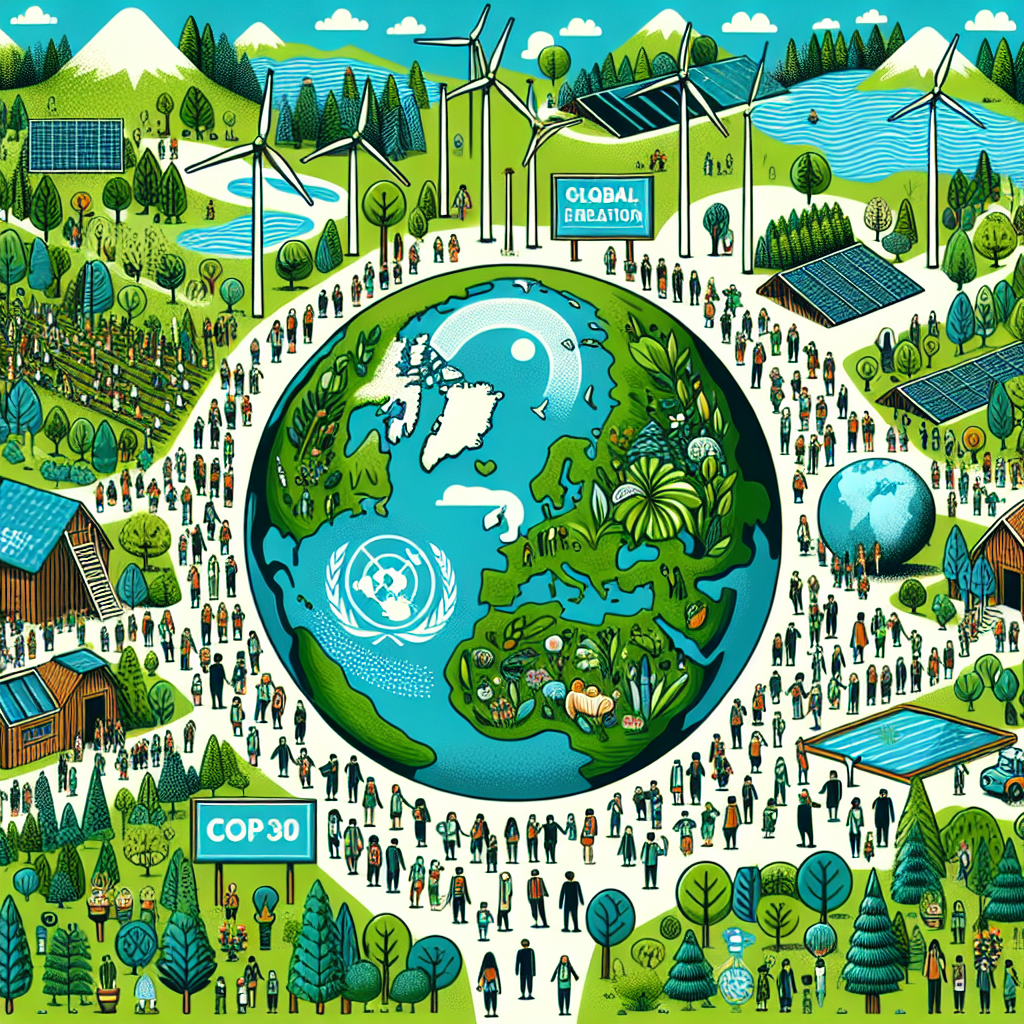
The COP30 climate summit commenced on Monday in Belem, Brazil, with the U.N. climate chief imploring nations to prioritize collaboration over contention. As geopolitical divisions deepen, these talks aim to stabilize efforts against global warming. Host Brazil brokered an agenda agreement, skillfully directing focus away from contentious financial issues.
Nations remain uncertain about clinching a consensus by summit's end amid strained U.S. resistance to fossil fuel transition. U.N. analysis shows emissions could drop by 12% by 2035, far short of the needed 60% to keep warming below 1.5 degrees Celsius, a critical threshold.
Brazilian President Luiz Inacio Lula da Silva urged resistance to climate denialism, warning that attacks on science and institutions should be met with unified opposition. Indigenous leaders and scientists echoed these concerns, emphasizing the urgency of safeguarding fragile ecosystems amid industrial encroachment.


 Google News