

IAEA, St. Jude Launch Effort to Boost Global Training for Childhood Cancer Care
“When we focus on paediatric cancers in particular, the situation is even starker,” said Tomoaki Tamaki, Head of Applied Radiation Biology and Radiotherapy at the IAEA.
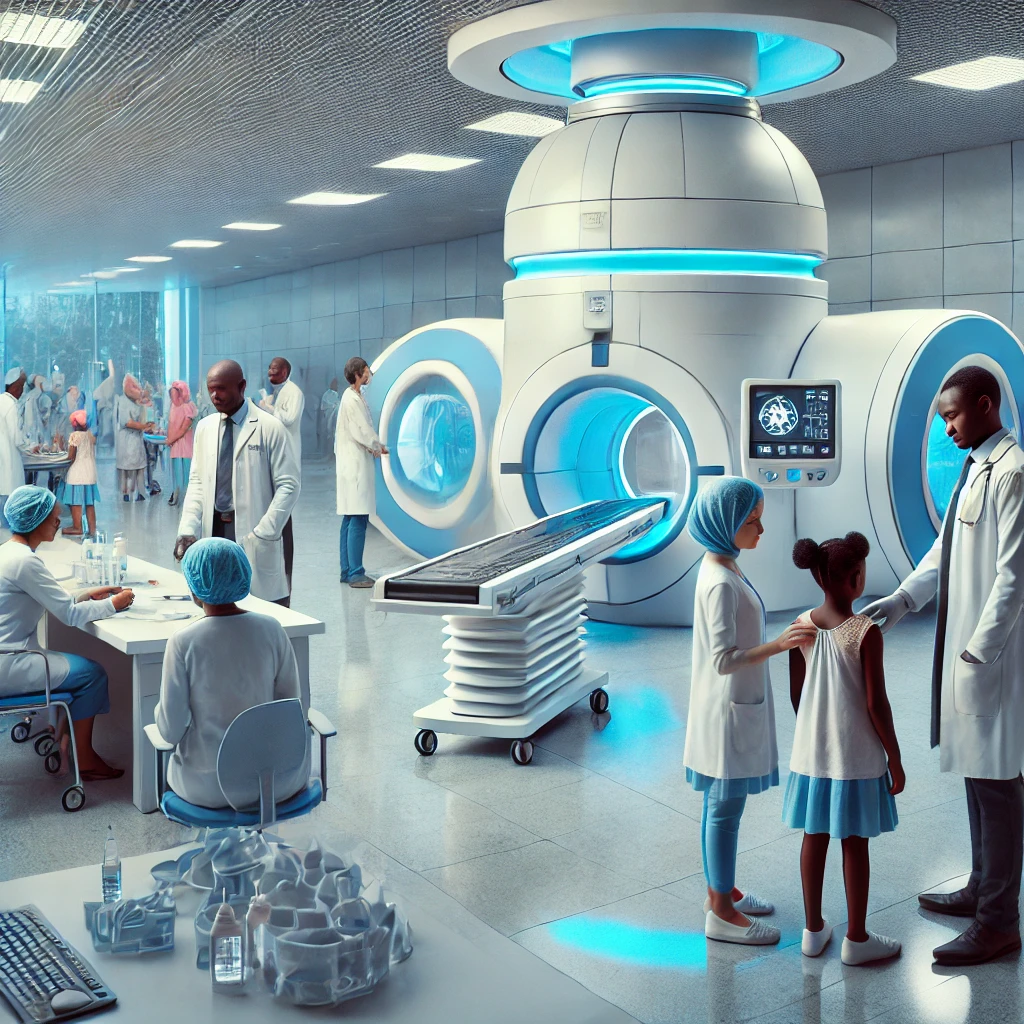
The International Atomic Energy Agency (IAEA) and St. Jude Children's Research Hospital have begun developing new global training curricula aimed at transforming paediatric cancer care by addressing critical knowledge and workforce gaps worldwide. These curricula — the first in a series of technical products and guidance documents under the expanding IAEA–St. Jude partnership — represent a major step toward strengthening cancer treatment capacity, especially in low- and middle-income countries where resources remain scarce and mortality rates remain unacceptably high.
A Rapid Start to a Global Collaboration
The collaboration, announced earlier this year, is advancing quickly. During a week-long consultancy meeting, nearly 20 paediatric radiotherapy professionals from multiple regions convened to design the foundation for the new training curricula. The initiative has already earned praise from experts leading the process.
"Our work with the IAEA is off to a fast and successful start," said Thomas Merchant, Chair of Radiation Oncology at St. Jude Children's Research Hospital. He emphasized that the level of commitment shown by participating specialists is "unprecedented," reflecting the urgency of the global need.
Merchant added that the training programme will benefit not only specialists in paediatric oncology but also general practitioners and radiotherapy providers who treat children as part of their broader clinical responsibilities.
Childhood Cancer: A Growing Global Crisis
Childhood cancer remains one of the most overlooked global health challenges. While survival rates in high-income countries exceed 80%, millions of children elsewhere lack access to basic diagnostics and treatment. The IAEA-led Lancet Oncology Commission on Radiotherapy and Theranostics revealed staggering global workforce shortages required to meet the rising cancer burden by 2050:
-
84,000 radiation oncologists
-
47,000 medical physicists
-
141,000 radiation therapists
These shortages are amplified in paediatrics. According to the Lancet Oncology Commission on Sustainable Care for Children with Cancer, between 2020 and 2050, nearly 13.7 million children will develop cancer — and half may go undiagnosed. Without expanded treatment capacity, more than 11 million of these children could die without any form of intervention, especially in low- and middle-income countries.
"When we focus on paediatric cancers in particular, the situation is even starker," said Tomoaki Tamaki, Head of Applied Radiation Biology and Radiotherapy at the IAEA. "The vast majority of these deaths will occur in countries least able to afford the necessary treatment infrastructure."
Creating Global Public Goods for Paediatric Cancer Care
The new curricula aim to close these gaps by serving as global public goods that countries can adopt, adapt, and implement to strengthen paediatric radiotherapy services. The IAEA and St. Jude — a world leader in treating childhood cancer, sickle cell disease, and other paediatric conditions — intend for these training resources to help build sustainable national cancer care systems.
Specialists will be able to use the curricula to:
-
Train radiation oncologists in paediatric-specific treatment techniques
-
Strengthen the knowledge base for medical physicists and radiation therapists
-
Elevate safety and quality standards in paediatric radiotherapy
-
Support the establishment or expansion of radiotherapy units
-
Provide a foundation for continuing education and certification
Building the Curriculum: Defining Core Competencies
During the technical workshop, experts worked together to define the competencies essential for paediatric radiotherapy providers worldwide. Key topics included:
-
Minimum standards for paediatric radiotherapy training
-
Competence benchmarks for advanced technologies
-
Guidelines on paediatric radiotherapy planning and delivery
-
Approaches for low-resource settings
-
Strategies for adapting global curricula to local training needs
These insights will shape the new IAEA training package, which will undergo additional external review before publication.
Toward a Better-Trained Global Workforce
The IAEA and St. Jude emphasize that this initiative is only the beginning. Once the curricula are released, the organizations intend to develop full standardized education programmes, training courses, and online learning modules to strengthen radiotherapy workforce capacity on a global scale.
"For the millions of children with cancer, these new curricula are part of the solution," said May Abdel-Wahab, Director of the IAEA Division of Human Health. "Together with St. Jude, the IAEA will build on the forthcoming paediatric radiotherapy curricula by creating standardized education programmes as the next global public good."
Looking Ahead
The forthcoming curricula and training programmes represent a major investment in global health equity. By equipping practitioners with standardized expertise, countries can expand access to life-saving treatment, reduce childhood cancer mortality, and build stronger, more resilient cancer care systems.
As the global cancer burden continues to rise, especially among children in underserved regions, the IAEA–St. Jude partnership marks a critical step toward ensuring that every child, regardless of geography, has a fair chance at defeating cancer.
ALSO READ
-
Inside Russia’s SMR School, Where Nuclear Experience Shapes Future Energy Decisions
-
14 Women Build Nuclear Expertise and Leadership Through IAEA Programme in Russia
-
How Nuclear Science Can Keep Food Fresh and Cut Waste Costing Billions
-
Nuclear Science Brings Cancer Care, Safer Food and Better Water Data Across Regions
-
From Cancer Care to Nuclear Careers, IAEA Conference Puts Global Progress in Focus


 Google News