

EU's Strategic Response to U.S. Tariff Threats: A Balancing Act
EU ambassadors grapple with U.S. President Trump's tariff threats, preparing retaliatory measures while seeking diplomatic resolutions. An emergency summit will explore options such as imposing tariffs on U.S. imports or invoking the Anti-Coercion Instrument. EU leaders emphasize the importance of dialogue and cooperation in maintaining transatlantic relations amidst tensions over Greenland.
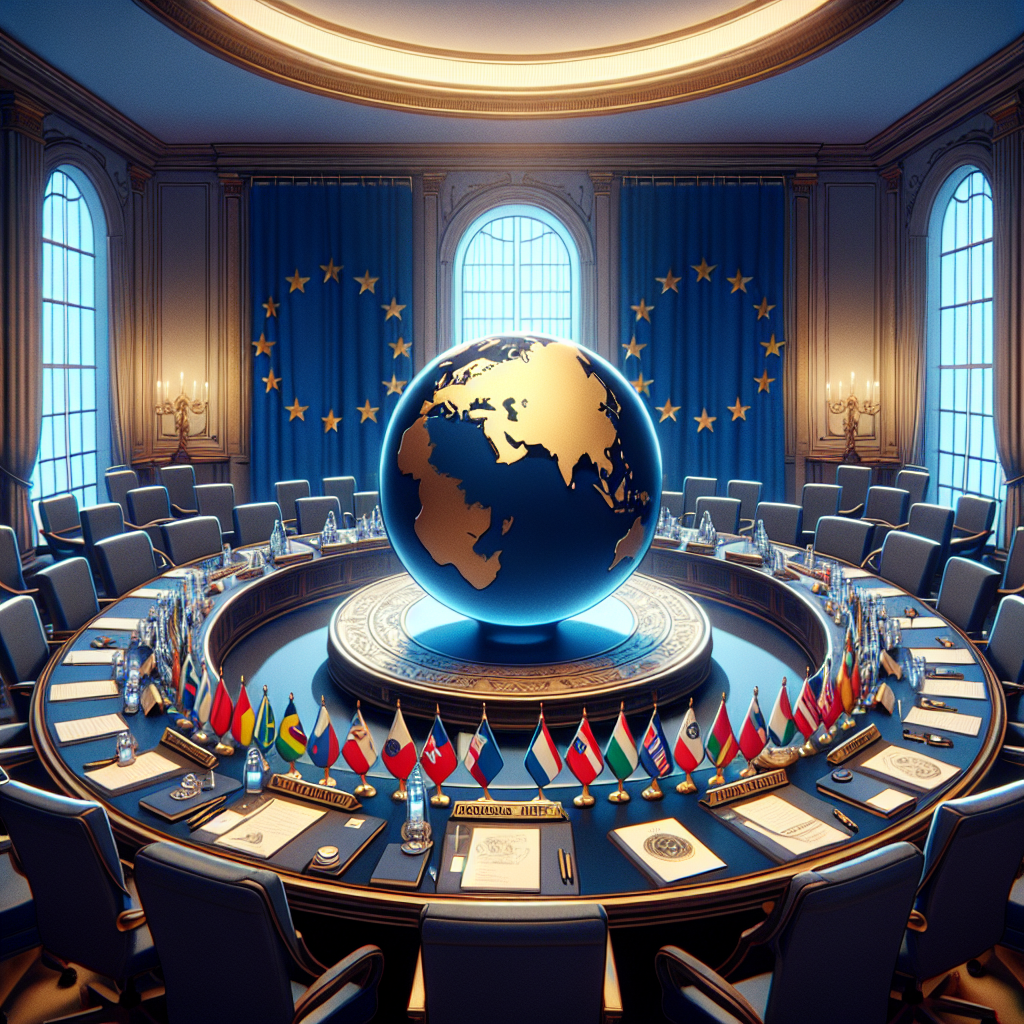
European Union ambassadors convened on Sunday to strategize against U.S. President Donald Trump's looming tariff threats while also gearing up for potential retaliatory actions. The tensions escalate as Trump reiterates his vow to impose tariffs on multiple EU member states unless the U.S. gains purchasing rights over Greenland, which EU leaders strongly oppose.
An emergency summit in Brussels is set to deliberate on diverse response strategies. Options include implementing tariffs on U.S. imports valued at 93 billion euros starting February 6, or utilizing the Anti-Coercion Instrument which could restrict U.S.'s access to EU markets. Within EU circles, tariffs seem to garner stronger support than the lesser-used coercion tool.
As tensions rise, European Council President Antonio Costa highlights EU's commitment to solidarity with Denmark and Greenland. Efforts to engage in dialogue are anticipated to headline the upcoming World Economic Forum in Davos, as EU leaders highlight potential risks to international trade and the importance of sovereign integrity.
ALSO READ
-
Prospects of a New Summit: South Korean Optimism Amid Uncertainty
-
Nomination Turbulence: White House Withdraws Jeffrey Anderson for ICAO Post
-
Potential EU Partnerships Stir International Debate
-
Trump's Rate War with the Fed: A High-Stakes Economic Drama
-
Trump's Bold Move: Meeting with Venezuela's Interim Leader


 Google News