

NASA Rover's Organic Carbon Discovery Sparks Mars Life Debate
NASA's Perseverance rover has provided significant insights into organic carbon detected on Mars, raising questions about the planet's history of life. The rover's findings suggest that potential biosignatures were present in sedimentary rock formed billions of years ago in Jezero Crater, offering clues to Mars' ancient environment.
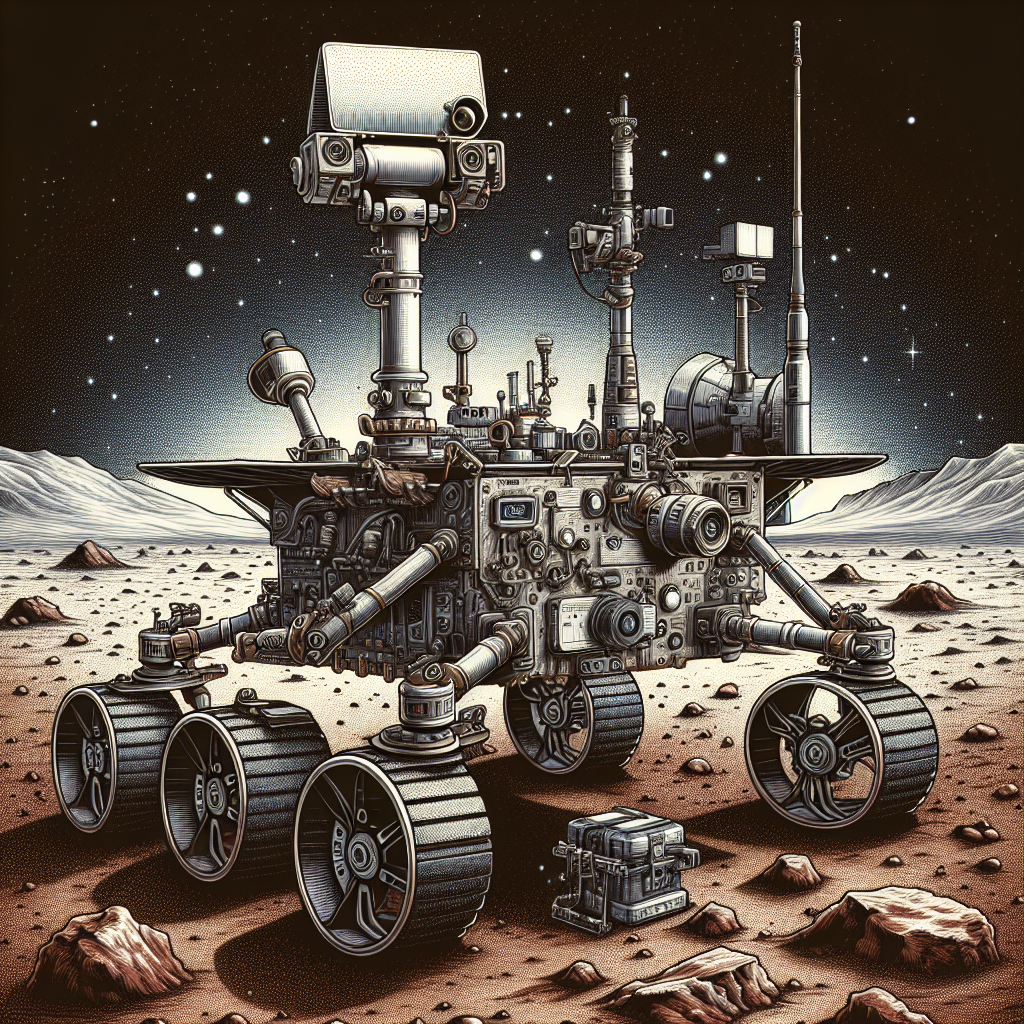
In a significant scientific breakthrough, NASA's Perseverance rover has uncovered insights into the presence of organic carbon on Mars, heightening curiosity about the Red Planet's potential to have once harbored life.
Scientists exploring Mars with the rover have detailed the molecular structure of organic carbon found in sedimentary rocks, potentially pointing to signs of past microbial life. This discovery comes from mudstone in the Jezero Crater, an area believed to have housed a body of water billions of years ago.
The findings challenge our understanding of Mars' history, encouraging further research into the planet's potential for life and its ancient environment.


 Google News