

WHO Sets New Research Plan on Migration, Climate and Health
The Western Pacific Region is home to millions of migrants, and changing environmental conditions are adding new pressures to healthcare systems.
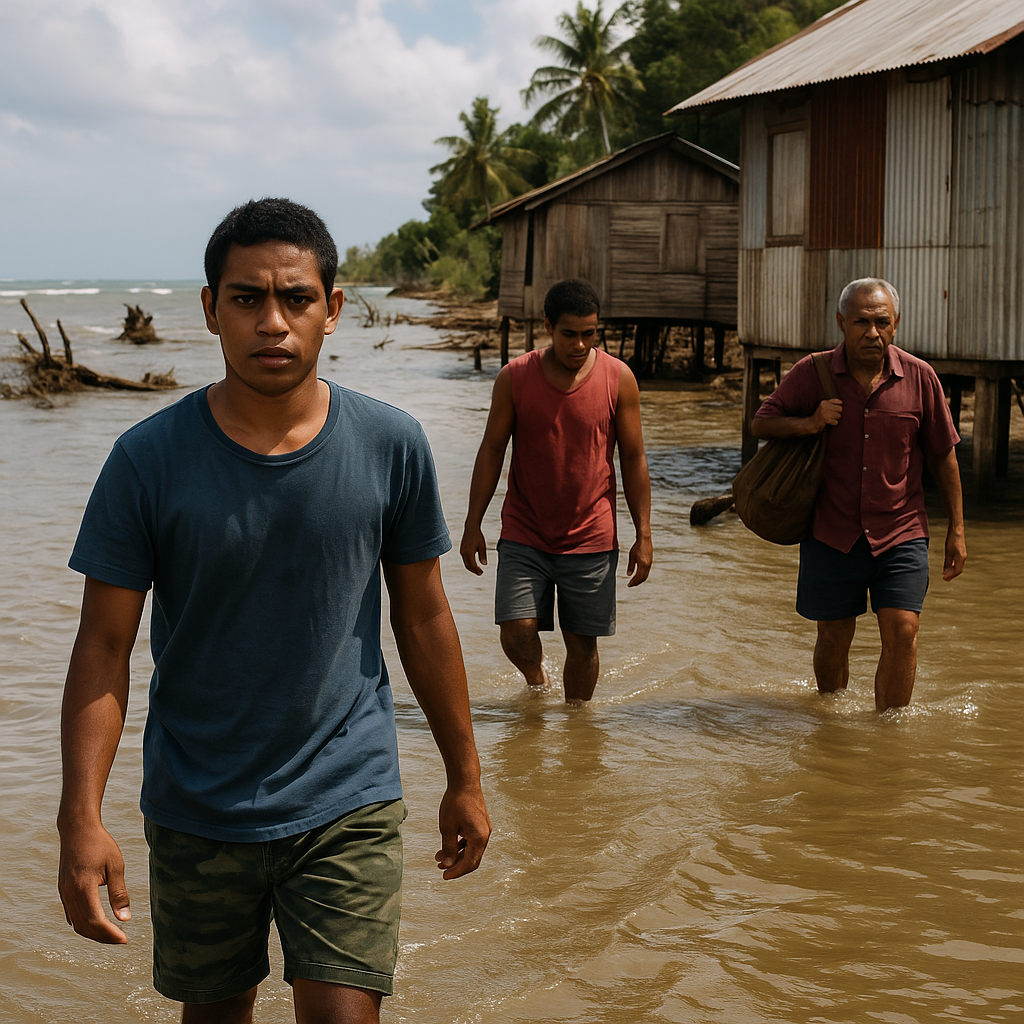
The World Health Organization (WHO) has launched a new regional research agenda designed to strengthen understanding of how migration, displacement and climate change are affecting health across the Western Pacific. The initiative is expected to guide research and policymaking over the next five years while helping countries build more inclusive and resilient health systems.
The launch brought together experts from WHO, United Nations agencies, universities, civil society organisations and migrant youth networks. Participants discussed how stronger research and better data can support health systems that respond more effectively to the needs of migrants and displaced communities as climate-related pressures continue to grow.
The Western Pacific Region is home to millions of migrants, and changing environmental conditions are adding new pressures to healthcare systems. Migration and displacement influence access to medical services, living conditions and overall well-being, making reliable evidence increasingly important for governments planning future health policies.
Five-Year Research Priorities Focus on Equity and Preparedness
Dr Santino Severoni, Head of WHO Health and Migration, said migration, displacement and climate change are becoming major factors shaping health outcomes across the region. He noted that significant evidence gaps still make it difficult for countries to design fair and effective health responses.
The research agenda was developed through a multi-stage consultation involving 108 participants from countries across the Pacific and Asia. The process identified several priority areas, including expanding universal health coverage and primary healthcare for migrants, improving their inclusion in emergency preparedness and response, examining the social and environmental factors that influence health, and strengthening research on the links between climate change, migration and displacement.
The agenda also highlights two broader priorities. One is improving evidence about migrant and displaced groups that remain under-researched, while the other encourages more equitable research partnerships that ensure findings are translated into practical policies benefiting affected communities.
Roadmaps Aim to Turn Research into Practical Action
Experts involved in the launch stressed that stronger governance, stable funding and better migration-sensitive data systems will be essential for turning research into meaningful action. They also called for closer cooperation between researchers, governments and communities so that policies reflect real experiences and needs.
Speakers said future work should move beyond simply documenting problems and instead focus on testing practical solutions that can be expanded across countries. They also emphasised involving migrants, displaced populations and young people directly in shaping research priorities and evaluating successful approaches.
To support implementation, WHO has developed separate roadmaps for the Pacific and Asian subregions. These plans are designed to help countries adapt research priorities to local conditions while strengthening research capacity, improving knowledge-sharing and ensuring evidence is reflected in public policy.
Dr Sandro Demaio, Director and Head of the WHO Asia-Pacific Centre for Environment and Health, said climate change, migration, displacement and health are now deeply connected issues that require coordinated responses. He added that the new agenda provides an important foundation for generating evidence that supports fairer health policies and more resilient healthcare systems across the region.


 Google News