

India's Asiatic Lion Population Rises to 891 in a Decade
The growth is not limited to population numbers, as the geographical range occupied by Asiatic Lions has also expanded significantly.
- Country:
- India
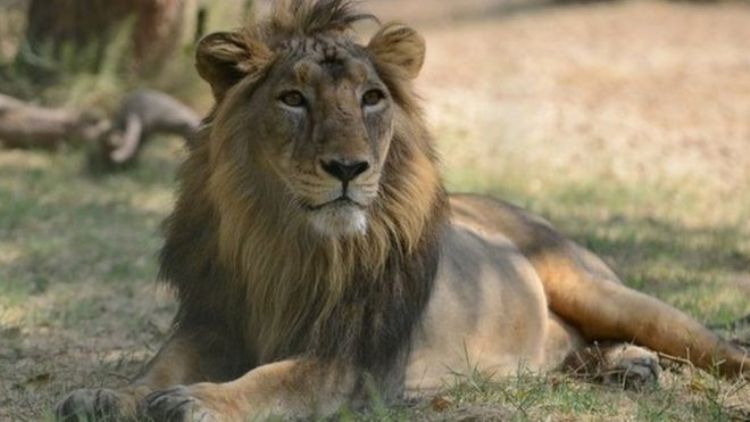
India's Asiatic Lion population has grown from 523 in 2015 to 891 in 2025, marking a major conservation milestone highlighted by Union Minister for Environment, Forest and Climate Change Bhupender Yadav on World Lion Day 2026. Sharing the figures on social media, Yadav credited forest officials, conservationists, local communities and others involved in protecting the species for helping India build a stronger and steadily expanding lion population.
The increase represents a rise of more than 70 per cent over a decade, showing how habitat protection, scientific monitoring and community participation have supported the recovery of one of India's most recognisable wildlife species. Yadav described the progress as a reflection of the country's commitment to wildlife and biodiversity, while stressing the need to protect this natural heritage for future generations.
Lion Range Expands to Nearly 35,000 Sq Km
The growth is not limited to population numbers, as the geographical range occupied by Asiatic Lions has also expanded significantly. Their range, which covered around 30,000 sq km in 2020, now extends across nearly 35,000 sq km, giving the species a wider landscape while creating new conservation requirements across its expanding habitat.
A larger range makes coordinated wildlife management increasingly important because conservation efforts need to cover habitat quality, movement corridors, interactions with people and access to veterinary care across a much broader area.
Project Lion Supports Long-Term Conservation
Prime Minister Narendra Modi announced Project Lion on August 15, 2020, as a dedicated initiative for the long-term conservation of the big cat. The project uses a landscape-level approach that goes beyond protecting individual lions and places greater attention on the ecosystems, habitats and communities connected with the species.
Its work includes habitat enhancement, disease monitoring, veterinary support, scientific tracking of the lion population and technology-assisted conservation measures. Biodiversity protection, benefit sharing and community involvement are also part of the programme, recognising that the survival of lions depends on healthy landscapes and cooperation from people living around wildlife habitats.
Local Communities Play Key Role in Lion Protection
The government has highlighted community participation as an important part of India's conservation story, particularly in landscapes where people and wildlife share space. Protecting habitats while building conditions for coexistence can reduce pressure on wildlife and give local communities a meaningful role in conservation.
Union Minister of State for Environment, Forest and Climate Change Kirti Vardhan Singh said on World Lion Day that India's work in protecting critical habitats, strengthening conservation programmes and encouraging coexistence shows that development and nature can thrive together.
India Renews Conservation Commitment on World Lion Day
The rise to 891 Asiatic Lions provides India with a significant conservation achievement while also increasing the responsibility of keeping the growing population healthy and its habitat secure. Disease surveillance, veterinary facilities, scientific population monitoring and protection of the wider landscape remain important as lions spread into new areas.
Marking World Lion Day, Yadav reaffirmed India's commitment to safeguarding its natural heritage and ensuring that the Asiatic Lion continues to thrive for generations to come.


 Google News