

Science News Roundup: Scientists harvest more eggs from near-extinct northern white rhino; Scientists peer inside ancient Egyptian cat, snake and bird mummies and more
Scientists on Thursday described a fossil unearthed in China's Guizhou Province that reveals this Triassic Period drama in exceptional detail and changes the understanding of "megapredation" in prehistoric seas. Researchers on Monday said they digitally "unwrapped" and "dissected" the three mummies using X-ray micro CT scanning, which generates three-dimensional images with a resolution 100 times greater than a medical CT scan.
Following is a summary of current science news briefs.
Monster swallows monster: Fossil reveals doubly fatal Triassic encounter
In a warm shallow sea about 240 million years ago in what is now southwestern China, a large dolphin-like marine reptile attacked and swallowed an almost equally big lizard-like marine reptile in a savage encounter that left both beasts dead. Scientists on Thursday described a fossil unearthed in China's Guizhou Province that reveals this Triassic Period drama in exceptional detail and changes the understanding of "megapredation" in prehistoric seas.
Scientists peer inside ancient Egyptian cat, snake and bird mummies
Scientists are gaining new insight into the ancient Egyptian practice of mummifying animals, using high-resolution 3D scans to peer inside mummies of a cat, a bird and a snake to learn about their treatment before being killed and embalmed. Researchers on Monday said they digitally "unwrapped" and "dissected" the three mummies using X-ray micro CT scanning, which generates three-dimensional images with a resolution 100 times greater than a medical CT scan. Actual unwrapping can damage and dislodge structures within a mummy.
ISS crew looks for source of small cabin air leak: NASA
Three crew members on board the International Space Station will spend the weekend in the vessel's Russian segment while they search for the source of a cabin air leak, NASA and Russian space agency Roscosmos said on Thursday. "In September 2019, NASA and its international partners first saw indications of a slight increase above the standard cabin air leak rate," NASA said in a statement.
Scientists harvest more eggs from near-extinct northern white rhino
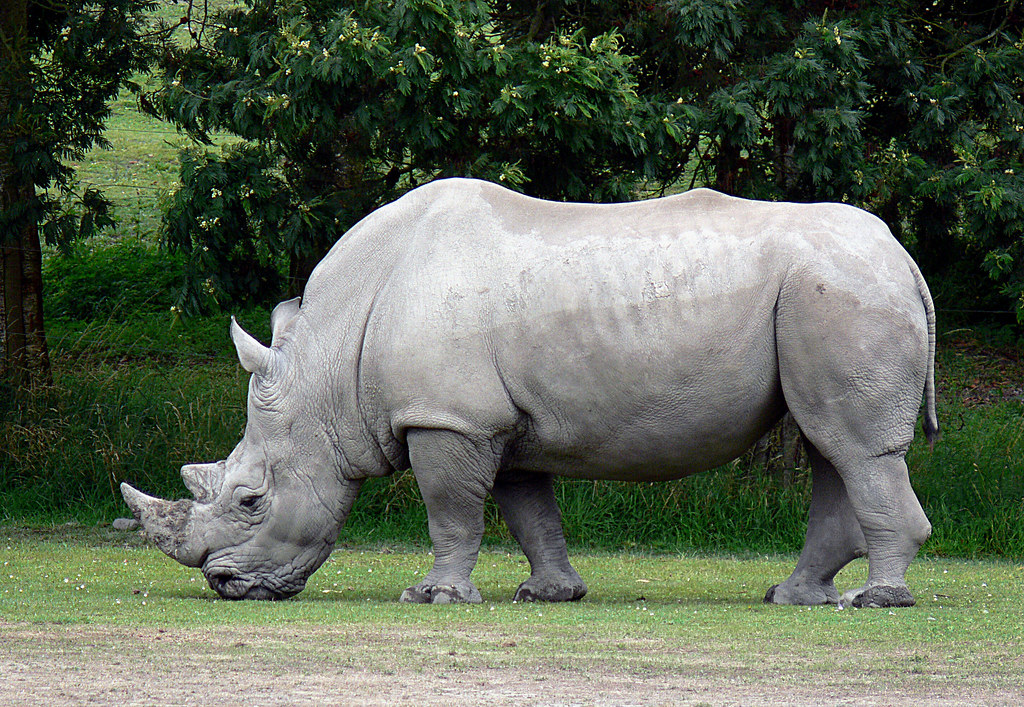
Scientists racing to save the northern white rhino from extinction have harvested 10 more eggs from the last two females alive which they hope will help create viable embryos that can be incubated by other rhinos acting as surrogates. Neither of the remaining northern white rhinos on Earth - a mother and her daughter - can carry a baby to term, so scientists want to implant the embryos into southern white rhinos instead.
ALSO READ
-
East Asia’s AI Boom Fuels Growth and Opens a New Path to Better Jobs
-
More Than Shorter Commute: How Compact Cities Can Help Migrant Workers Find Jobs
-
ILO Report Reveals How to Bring Social Security Within Reach of Informal Workers
-
WTO Sets Up Panel on EU Carbon Border Rules as Russia Challenges Restrictions
-
WHO Brings Global Experts Together to Strengthen Herbal Medicine Quality and Safety


 Google News