

Yen Carry Trade Unravels Amid Global Market Shifts
The global stock and bond markets, especially in Japan, are being affected by the unwinding of the yen carry trade. This involves borrowing yen at low costs to invest in higher-yielding currencies and assets. Japan's rate increases, a volatile yen, and anticipated U.S. rate cuts are disrupting this popular financial strategy.
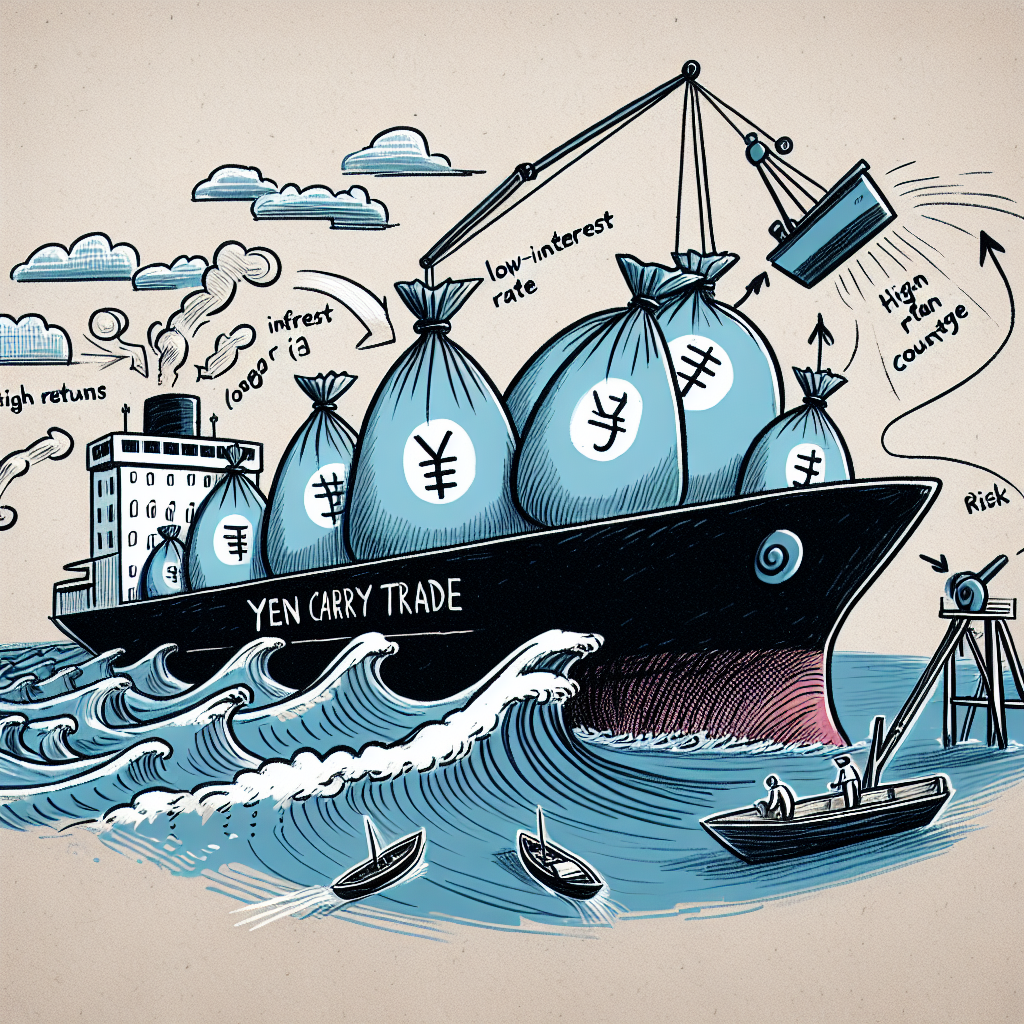
The global stock and bond markets are reeling, particularly in Japan, due to the unwinding of the popular yen carry trade. This strategy, which involves borrowing yen at low costs to invest in higher-yielding currencies and assets, is collapsing under the weight of Japan’s rate increases, a volatile yen, and anticipated rate cuts in the United States and other economies.
The carry trade works by borrowing yen or other low-interest currencies and using them to buy currencies with better yields. Investors convert these higher-yield currencies back to yen to repay the loan, typically realizing annualized returns of around 5% to 6% on dollar-yen carry trades.
Originally beginning in 1999 when Japan dropped policy rates to zero, yen carry trades surged in 2013 under Prime Minister Shinzo Abe’s economic policies. However, in 2022 and 2023, as the Federal Reserve raised rates to curb inflation and the Bank of Japan maintained negative short-term rates, these trades grew to significant proportions. Now, even the mere speculation of rate hikes in Japan and cuts by the Fed have driven the yen up by 13%, unraveling these trades and forcing investors to de-leverage and shed other assets.


 Google News