

How Surveying Technology Supports Safer Roads, Utilities, and Communities
 Mary Nellsy

Physical infrastructure is an integral part of modern society, where its safety and resilience are of paramount importance. Precise engineering permeates our lives, every time we drive on a well-maintained highway, flip a light switch, or enjoy clean running water. The very heart of infrastructure is surveying, a discipline that is indispensable in turning a design into a safe, tangible structure. The project teams can use these high-tech geospatial solutions to reduce risks that may not have been apparent, streamline city budgets, and provide decades of public safety.
A thorough assessment of the physical landscape is vital to any development or infrastructure project. The knowledgeable land surveying and geospatial engineers use high-precision instrumentation to delineate property boundaries, record topographic features, and identify any potential subsurface hazards. This basic data is necessary to ensure the long-term structural integrity of a major highway corridor or utility network without it. Measurements before the arrival of heavy equipment at the job site can prevent costly legal disputes and construction catastrophic failures.
Enhancing Road Safety and Highway Modernization
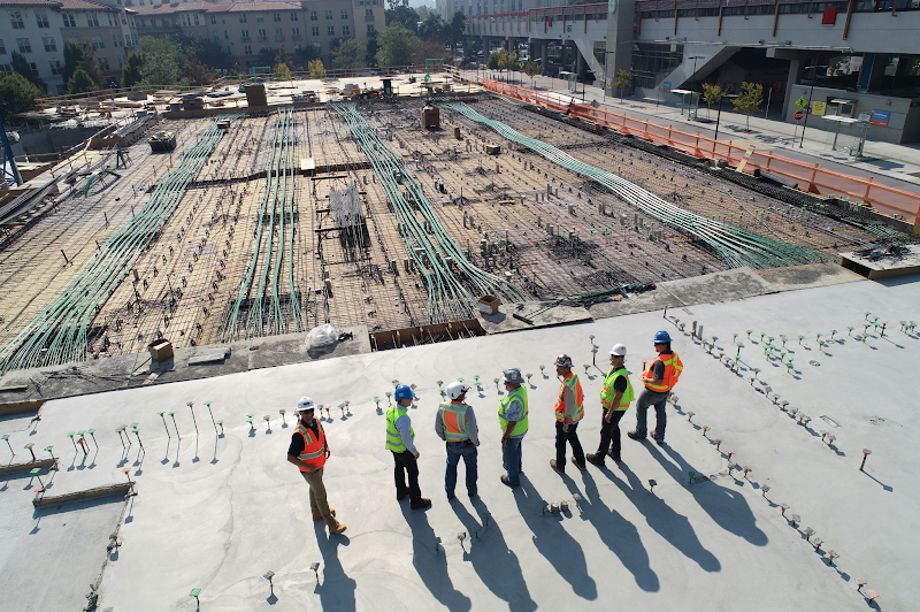
(Image Source: https://images.unsplash.com/photo-1541888946425-d81bb19240f5)
Modern roadways involve a lot of calculations with regard to geometry, slope stability, and stormwater runoff. Mobile LiDAR (Light Detection and Ranging) technology enables survey crews to capture millions of data points from the roadway without slowing down traffic.
- Surface Defect Identification. Identifying wear, rutting, and structural shifting on the pavement before they can cause accidents.
- Sight Distance Optimization. Determination of horizontal and vertical curves for optimum visibility of the driver in adverse driving conditions.
- Digital Twin Creation. Design of safe expansion and modern roundabouts based on existing highly accurate 3D intersections.
Applying these advanced scanning techniques can allow engineers to anticipate structural weaknesses and create smarter and safer transit corridors.
Protecting Subterranean Utilities and Preventing Disasters
Underground utility networks serve as the hidden lifelines of our cities. Accidentally striking a high-voltage electrical line or a high-pressure gas main during excavation can paralyze entire neighborhoods, cause severe injuries, and cost millions in emergency repairs.
Advanced subsurface utility engineering (SUE) combines ground-penetrating radar (GPR) with geographic information systems (GIS). Surveyors map the exact depth and alignment of legacy infrastructure, creating reliable digital blueprints that eliminate blind digging and safeguard utility crews.
Fostering Resilient and Sustainable Communities
The first line of defense for local communities is precise surveying technology. These high-resolution flood risk maps and accurate hydrological models enable engineers to predict exactly how stormwater will behave, with the assurance that drainage systems can manage extreme weather events.
Comprehensive geospatial data is useful for urban planners involved in the design of new parks, schools, or residential projects, as it allows them to fit the new buildings into the landscape. This reduces environmental damage, conserves natural habitats, and creates a safer and more sustainable environment for everyone.
(Disclaimer: Devdiscourse's journalists were not involved in the production of this article. The facts and opinions appearing in the article do not reflect the views of Devdiscourse and Devdiscourse does not claim any responsibility for the same.)
- FIRST PUBLISHED IN:
- Devdiscourse


 Google News