

EasyJet cuts more flights to try to manage disruption
Low-cost airline easyJet said on Monday it was cutting thousands more flights this summer after London Gatwick and Amsterdam airports reduced capacity and it battled staff shortages on the ground and in the air.
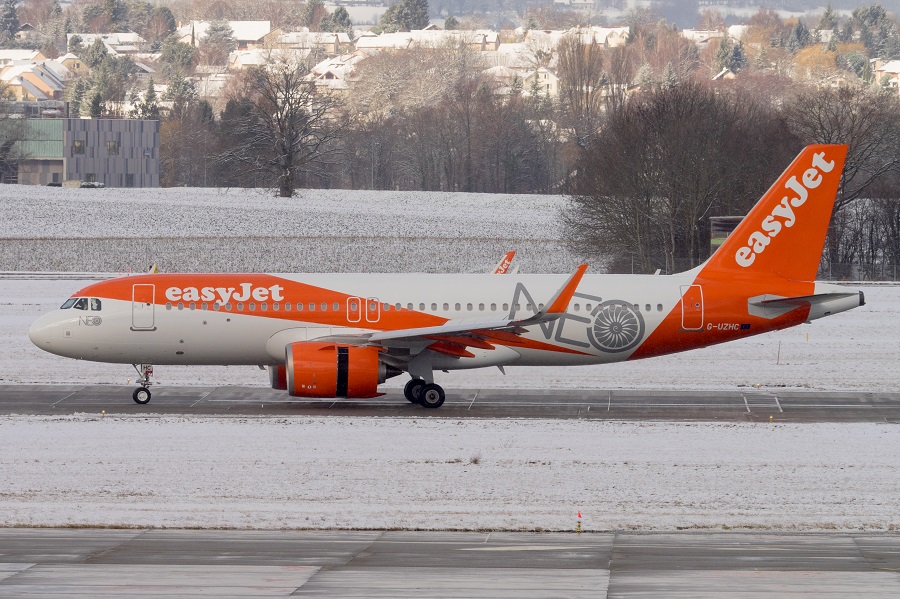
- Country:
- United Kingdom
Low-cost airline EasyJet said on Monday it was cutting thousands more flights this summer after London Gatwick and Amsterdam airports reduced capacity and it battled staff shortages on the ground and in the air. The British carrier said it expected to fly about 90% of its pre-pandemic capacity in July, August, and September, down from the 97% it had scheduled last month, which would have been around 160,000 flights.
EasyJet said a tight labor market for the crew, compounded by a 14-week wait for new staff security checks compared to around 10 weeks previously and limitations on European hires due to Brexit, had reduced its resilience further. London's Gatwick airport, where easyJet is the biggest carrier, said on Friday it would limit flights because of labor shortages.
Amsterdam's Schiphol, another major base for the airline, has also imposed a cap, leading to a 16% cut in planned flights during the peak season. EasyJet Chief Executive Johan Lundgren said reducing the schedule now would minimize last-minute cancellations that had a bigger impact on customers.
"It is necessary to build further resilience into the flying schedule this summer by proactively canceling several flights, providing customers with advanced notice and rebooking options," he told reporters. European airlines and airports shed thousands of workers during the COVID-19 pandemic, leaving them unprepared to cope with a resurgence in demand after restrictions were lifted.
Lundgren said easyJet would make the cuts shortly. Gatwick and Amsterdam would be a focus, he said, but there were also operational problems across Europe, including in Paris and Geneva. He said the airline had recruited more crew than ever before for the summer but security checks were holding up deployment.
He said a "huge amount" of applications were coming in, but the carrier could not accommodate all the EU workers it had before the pandemic. It had turned "down a huge number of EU nationals (...) because of the situation after Brexit". Bigger problems, he said, were staff shortages on the ground and air traffic control restrictions, resulting in aircraft not returning to base and crew stuck in the wrong place.
He said there would be a cost impact, including from booking customers on other carriers on occasion, but he could not quantify it at this stage. The airline has not set financial guidance for the year. Shares in EasyJet, which are trading at 20-month lows, were down 3% in early deals.
ALSO READ
-
Middle Corridor Could Create 2 Million Jobs and Transform Trade in Nine Nations
-
Historic Move: U.S. Army Base in Poland Signals Stronger Alliance
-
Europe on the Brink: Slovak PM Advocates for Peace Amid Rising Tensions
-
Diplomatic Exclusion Raises Alarm in U.S. Military Review
-
Europe's Migration Crisis: Fewer Arrivals, More Fatalities


 Google News