



World Bank to address Ethiopia's poor nutrition and low learning outcomes
The World Bank approved the program on June 16, 2023, recognizing the crucial need to improve education and nutrition services nationwide.
- Country:
- Ethiopia
The Government of Ethiopia and the World Bank have signed a financing agreement for the Human Capital Operation (HCO), a program aimed at addressing Ethiopia's poor nutrition and low learning outcomes. With a budget of $400 million, this program is set to make a significant impact on the lives of 97 million Ethiopians and 800,000 refugees.
The World Bank approved the program on June 16, 2023, recognizing the crucial need to improve education and nutrition services nationwide. The HCO will have a particular focus on drought-affected areas, refugee-hosting communities, and low-performing areas across the country. Over the past few years, Ethiopians have been severely impacted by various crises, including the COVID-19 pandemic, climate-related catastrophes, and devastating conflicts. These crises have disrupted essential health services, reversing the significant progress Ethiopia achieved in health outcomes and service delivery over the past decade.
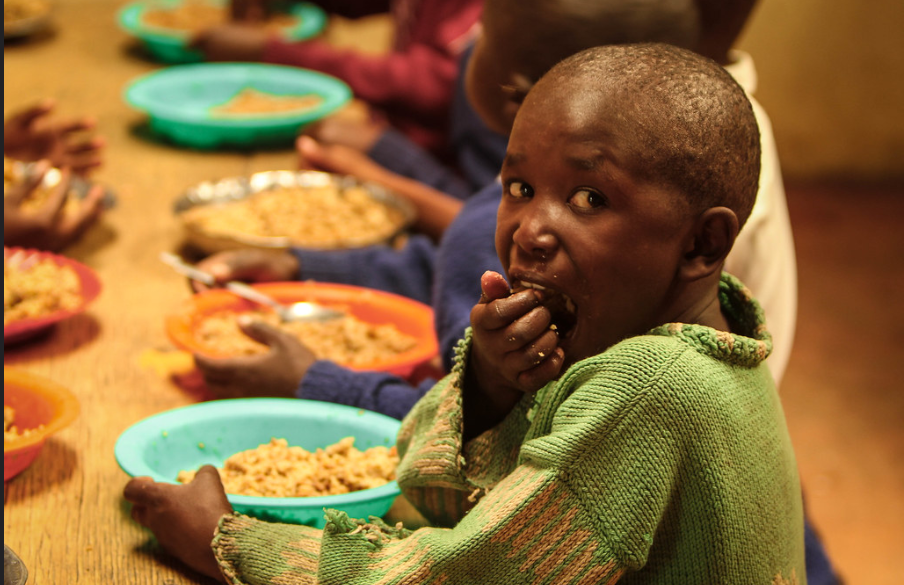
Even prior to the crises, Ethiopian and refugee children had poor nutrition and low learning outcomes. The 2020 Human Capital Index (HCI) shows that a child in Ethiopia will only reach 38% of his or her potential, against a benchmark of complete education and full health. Ethiopia’s HCI score is pulled down by a high stunting rate and poor child learning outcomes. Over a third of children (37%) are stunted – a reflection of severe malnutrition which puts them at a high risk of cognitive and physical limitations that impact their life opportunities. An Ethiopian child is expected to complete 7.8 years of schooling by age 18; however, when taking into account the poor quality of education, most children effectively complete the equivalent of only 4.3 years of education by the time he or she turns 18 years old.
“This project arrives at a pivotal moment for Ethiopia as it seeks to boost social cohesion and champion peacebuilding. It will strengthen basic service delivery and mitigate the impact of crises on access and quality of essential services across regions to unlock the full potential of all Ethiopians," said Ousmane Dione, World Bank Group Country Director for Eritrea, Ethiopia, South Sudan, and Sudan.
The operation builds on lessons from previous programs such as the Enhancing Shared Prosperity through Equitable Services (ESPES) program, which demonstrated the impact of results-based financing on empowering frontline staff to achieve national results, expanding coverage and quality of services, and enhancing citizen engagement.
Of the $400 million of International Development Association (IDA) financing, $350 million is a grant through the Window for Host Community and Refugees and the Crisis Response Window. To ensure the effective and transparent use of financing, the Human Capital Operation will be subject to rigorous fiduciary safeguards, as is the case with all World Bank projects. The operation will prioritize citizen engagement and accountability, ensuring that communities have a voice in the design and implementation of programs that affect their lives. This approach will help to build trust and ensure that the operation delivers results that are sustainable and inclusive.
- READ MORE ON:
- World Bank
- Ethiopia
- Human Capital Operation
- Ousmane Dione
ALSO READ
World Bank Appoints Tony Verheijen as Resident Representative for Togo
World Bank Approves $95m to Expand SME Finance and Jobs in Nepal
Pakistan PM Shehbaz Sharif meets World Bank President Banga
World Bank President Ajay Banga visits gurdwara, archeological site in Pakistan
Delhi government approaches World Bank to get funds for drainage master plan


 Google News