

India Faces Impact of EU's Carbon Border Tax With Potential Countermeasures
The European Union's Carbon Border Adjustment Mechanism (CBAM) will tax carbon-intensive exports from India by 25%, impacting 0.05% of India's GDP. The report suggests counter-taxes on historically polluting rich countries to fund decarbonization. India's aluminium, iron, and steel exports to the EU are significantly affected.
- Country:
- India
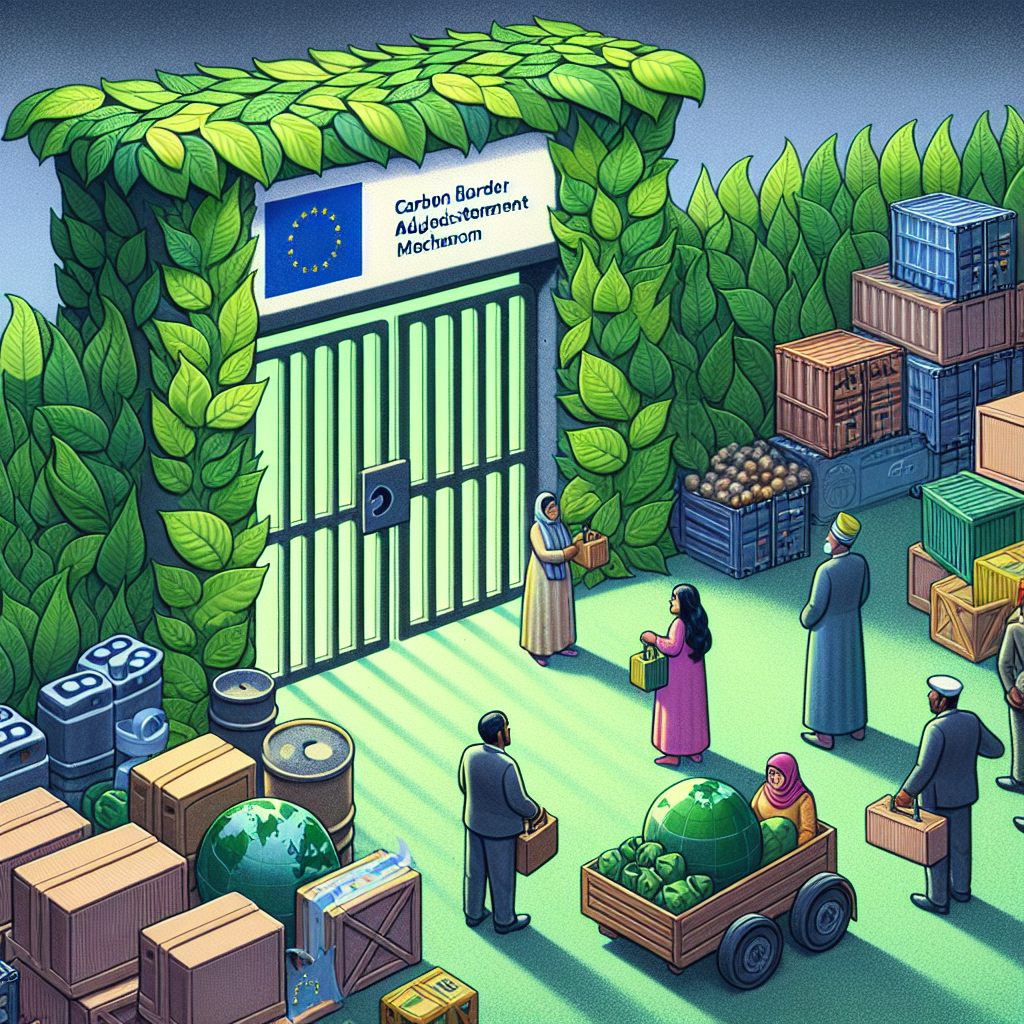
The European Union's Carbon Border Adjustment Mechanism (CBAM) will impose a 25% tax on carbon-intensive goods exported from India to the EU, according to a new report released on Wednesday. The report also recommends that India impose a counter-tax on wealthy countries historically responsible for climate change.
CBAM targets energy-intensive products like iron, steel, cement, fertilizers, and aluminium imported from countries such as India and China. This additional tax would cost India approximately 0.05% of its GDP, as per the report titled 'The Global South's Response to a Changing Trade Regime in the Era of Climate Change' by the Centre for Science and Environment (CSE).
The EU argues that CBAM ensures a level playing field for domestic products, which follow stricter environmental standards, while reducing emissions from imports. However, developing countries fear the economic stress and trade barriers this mechanism could create. The move has sparked debate at forums like UN climate conferences, where developing nations argue that such rules should not dictate emission reduction methods for other countries.
ALSO READ
-
UNESCO and EU Put Trusted News and Free Expression at the Heart of Mediterranean Pact
-
Crédit Agricole CIB gets €2.4 billion in investment in European energy grids
-
Serbia’s €56.5 Million Deal Opens Doors to Jobs and Fairer Career Growth
-
Serbian Businesses Get €22 M Boost for Smart Technology and Green Growth
-
EIB Upgrades School and Public Service Centre in Ukraine’s Western Ternopil


 Google News