

Trump's Economic Influence: Global Central Banks Tread Cautiously
Donald Trump's impending presidency has prompted global central banks to adopt a cautious stance. The U.S. Federal Reserve has reduced projected rate cuts amid inflation fears, aligning with the Bank of England, Japan, and others. Uncertainty stems from Trump's proposed tariffs and potential economic impacts.
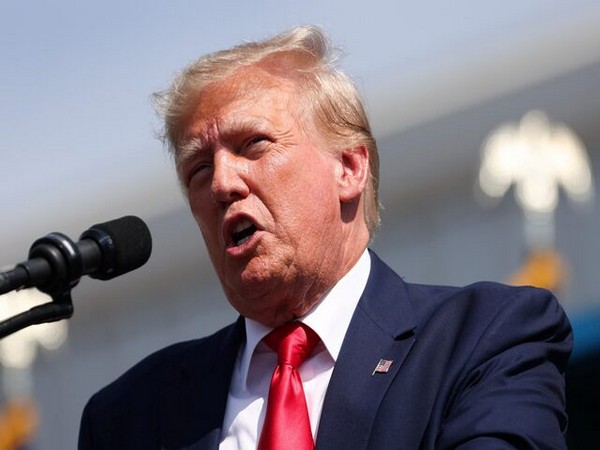
Donald Trump's impending arrival at the White House has already begun to reshape global economic strategies. This week saw central banks worldwide, including the U.S. Federal Reserve, proceeding with caution due to Trump's economic policies. The Fed executed a rate cut but signaled future hesitancy.
Fed Chair Jerome Powell highlighted concerns about Trump's intentions on tariffs, taxes, and immigration. These potential changes forced officials to recalibrate growth and inflation forecasts for 2025. As a result, stock prices fell, and Powell advocated for measured rate cuts moving forward.
Meanwhile, other key global financial institutions like the Bank of England, Bank of Japan, and Norway's central bank, echoed this cautious sentiment. Concerns over a possible U.S.-China trade war and impacts on global markets were prevalent, influencing decisions ranging from interest rate changes to fiscal policy adjustments.
ALSO READ
-
Lee Jae Myung's Diplomatic Milestones: Balancing Amidst Global Tensions
-
Asian Stocks Surge Amid Global Inflation Concerns
-
Diplomatic Moves: Takaichi's UN Meeting with Trump
-
Bank of Japan Raises Interest Rates to 31-Year High Amid Inflation Concerns
-
Trade War Chessboard: Agriculture, Energy, and Rare Earths in Focus


 Google News