

Dollar's Dominance Continues Amid Global Rate Changes
The dollar strengthened after the Federal Reserve signaled minimal cuts in interest rates this year amid global uncertainties. European and several Asian currencies weakened against the dollar due to varied central bank policies. Meanwhile, the British and global economies face significant challenges.
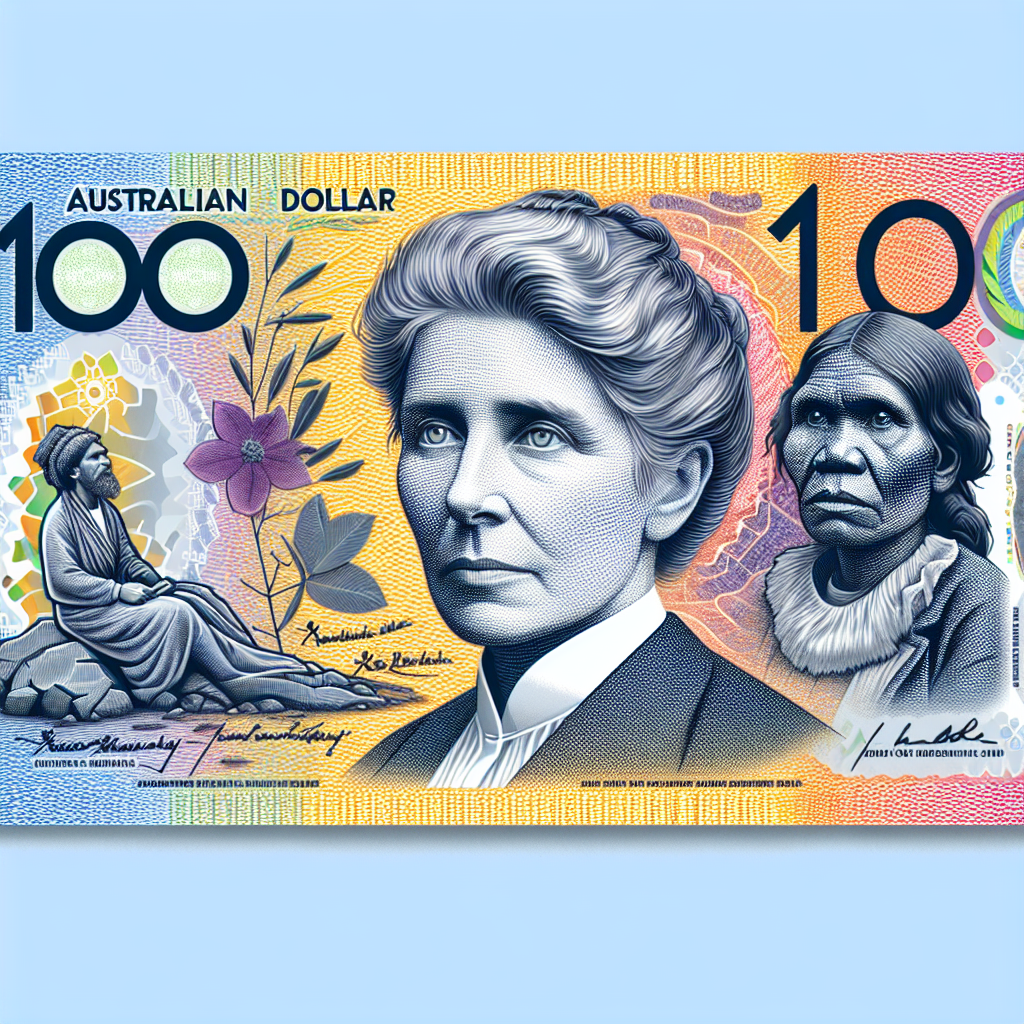
The U.S. dollar gained strength on Thursday following the Federal Reserve's indication of a conservative approach to interest rate reductions this year, citing uncertainties from U.S. tariffs. In contrast, the Swiss franc weakened after the Swiss National Bank reduced its policy rate.
Euro depreciated against the dollar as U.S. policymakers maintained steady interest rates, reflecting a same projection of upcoming cuts as earlier forecasts. Federal Reserve Chair Jerome Powell highlighted a cautious stance on rate changes, aligning with the gradual economic recovery narrative.
Globally, mixed reactions from central banks influenced currency valuations. The Bank of England's steady interest rates underscored British economic uncertainty, while in Asia, currencies like the yen and Australian dollar saw depreciation amidst shifting economic policies and data releases.


 Google News