

Record U.S. Trade Deficit Sparks Economic Concerns
The U.S. trade deficit grew to a record high in March, driven by increasing imports ahead of tariffs, suggesting a significant impact on economic growth in early 2017. Despite rising inventories, the deficit could reduce GDP growth significantly. Exports did rise slightly, but trade tensions add economic uncertainty.
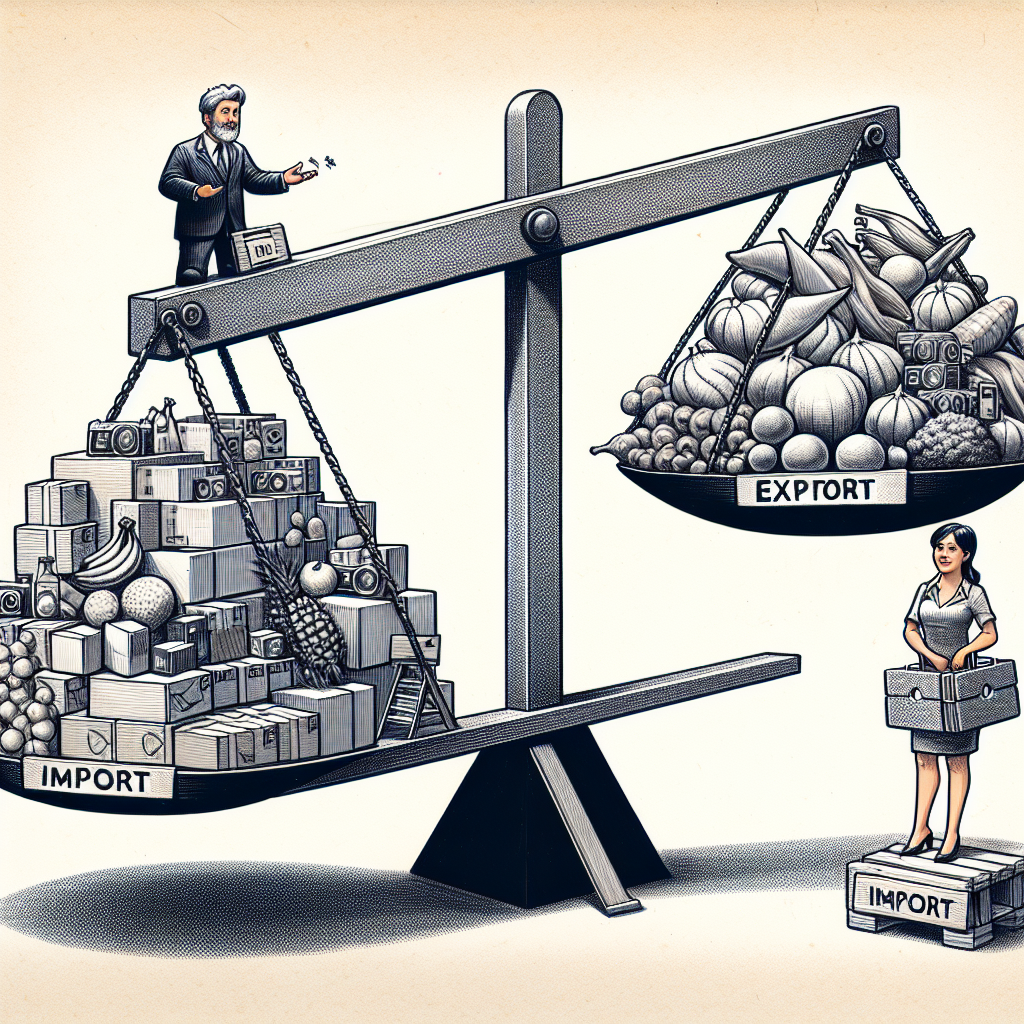
The U.S. trade deficit in goods expanded to a record high in March, attributed to businesses importing goods ahead of impending tariffs from President Donald Trump.
This increase suggests a major drag on economic growth for the first quarter of 2017, economists warn.
Despite an increase in wholesale inventories, the anticipated drop in GDP remains significant, with trade reportedly subtracting nearly two percentage points from overall growth.
Goods imports reached an all-time high due to consumer goods, automotive vehicles, and capital goods, though imports of industrial supplies dropped significantly.
Goods exports saw a moderate rise, yet the economic outlook appears grim amid ongoing trade tensions.


 Google News