

Cameroon’s Green Gold: World Bank Calls for Forest-Led Growth and Fiscal Reform
Despite Cameroon’s public debt remaining sustainable on paper, the country faces a “high risk of debt distress”, according to the report, primarily due to liquidity constraints and limited fiscal space.
- Country:
- Cameroon
The World Bank Group has launched its 2025 Cameroon Economic Update, titled "Cameroon's Green Gold: Unlocking the Value of Forests and Natural Capital." This latest edition of the country-focused economic assessment presents a detailed analysis of Cameroon's recent macroeconomic trends, a cautiously optimistic medium-term outlook, and a timely call for a transformative development model rooted in sustainable natural resource management.
At the core of the report lies a compelling argument: Cameroon's forests, biodiversity, and natural capital are underutilized assets that could catalyze inclusive, resilient, and sustainable growth — provided the right policies and investments are enacted.
Economic Performance: Stabilizing Amid External Pressures
In 2024, Cameroon's economy expanded by 3.5%, an improvement from the 3.2% growth recorded in 2023. This growth was underpinned by:
-
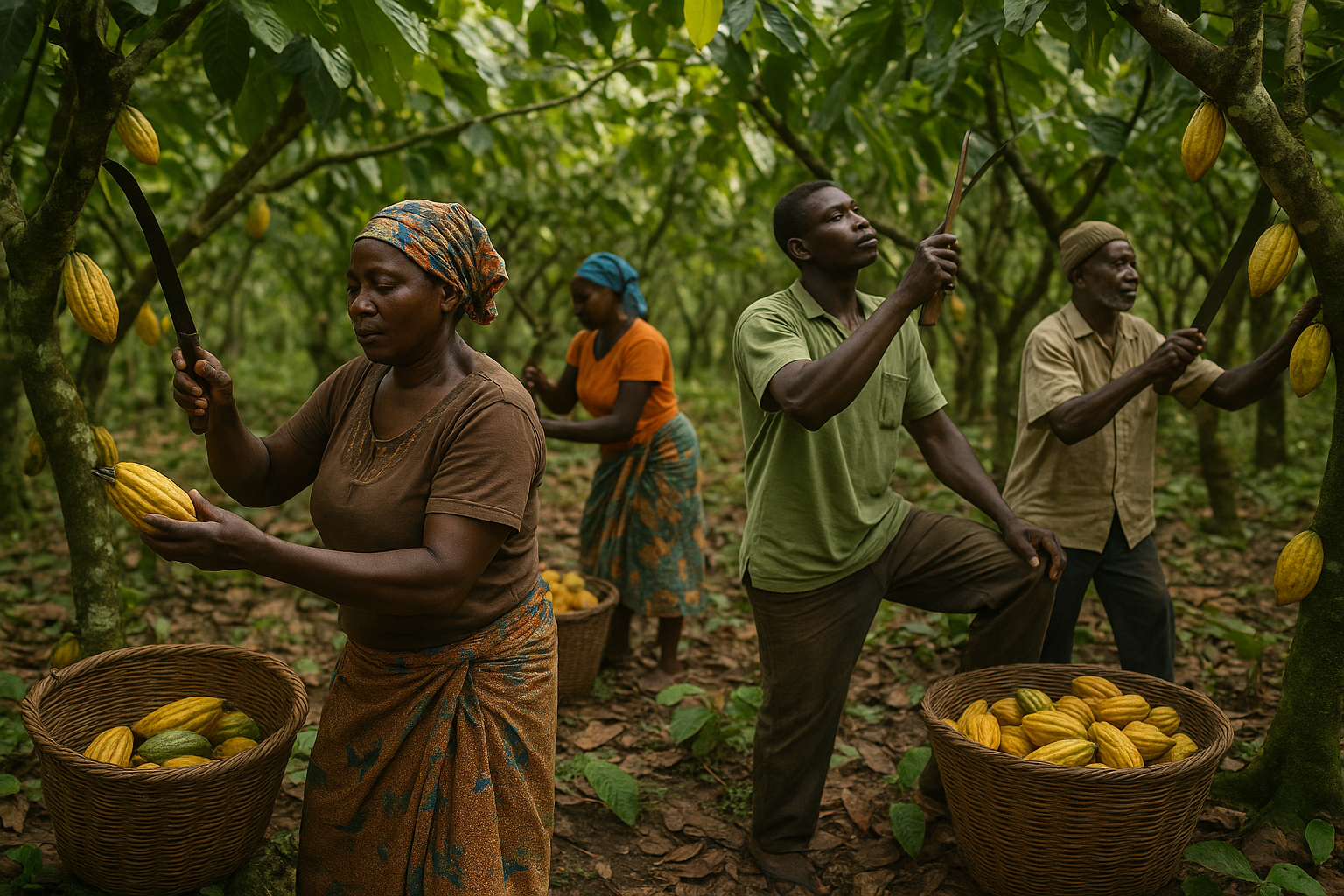
A global surge in cocoa prices benefiting the country's key agricultural export;
-
A rebound in cotton yields;
-
Improvements in electricity generation and power supply reliability.
Inflation, a persistent challenge in recent years, declined substantially from 7.4% in 2023 to 4.5% in 2024. This was attributed to a combination of tighter monetary policy, price controls, and easing import-related inflationary pressures.
Meanwhile, the current account deficit improved, narrowing from 4.1% to 3.4% of GDP, thanks largely to export earnings from cocoa. However, the fiscal deficit widened, rising from 0.7% of GDP in 2023 to 1.5% in 2024. This slippage was due to underperformance in revenues and a rise in current expenditures. Public debt ticked up slightly from 46.1% to 46.8% of GDP, primarily external borrowing.
Outlook: Cautious Optimism with Structural Caveats
The medium-term outlook (2025–2028) is moderately positive:
-
Real GDP is expected to grow at an average rate of 3.9%, buoyed by sustained public investment, especially in infrastructure and construction.
-
Inflation is projected to fall to the 3% threshold set by CEMAC convergence criteria by 2027.
-
The current account deficit is likely to rise again, hovering around 4% of GDP. This increase is linked to declining oil output and prices, tepid results from government-led industrialization efforts, and the cost of imported inputs for investment.
Despite Cameroon's public debt remaining sustainable on paper, the country faces a "high risk of debt distress", according to the report, primarily due to liquidity constraints and limited fiscal space.
"Cameroon's economy has demonstrated resilience amidst external shocks, yet multiple structural weaknesses – particularly infrastructure gaps – impede its potential," noted Robert Utz, World Bank Lead Country Economist. "A bold fiscal reform agenda is imperative to bridge those gaps and boost economy-wide productivity."
Natural Capital: From Depletion to Opportunity
A defining element of the report is its emphasis on natural capital accounting — a framework that recognizes forests, ecosystems, and biodiversity as critical contributors to national wealth and future prosperity.
Between 1995 and 2020, Cameroon's total national wealth grew from $311 billion to $553 billion. However, wealth per capita declined by 11%, signaling growing population pressures and inefficient asset management.
Alarmingly, Adjusted Net Savings (ANS) — an indicator that reflects the sustainability of development — has been moderately negative for much of the past decade. This trend indicates that Cameroon is depleting its stock of wealth (natural and human) faster than it is replenishing it.
Forest degradation is particularly acute. The rate of lowland forest conversion for agriculture between 2010 and 2020 was five times higher than in the previous decade. Environmental monitoring also shows:
-
A decline in tree height and canopy cover;
-
Deterioration in forest connectivity;
-
Loss of landscape naturalness across once-pristine areas.
A Vision for Green Transformation
The World Bank recommends a paradigm shift: Cameroon should transition to a forest-based service economy. This would involve:
-
Ecotourism development, leveraging the country's rare flora and fauna;
-
Investment in forest-based medicinal services and indigenous plant knowledge;
-
Promoting community-based conservation enterprises.
"To minimize the environmental impact of growth and preserve natural wealth, Cameroon could prioritize its high-value, vulnerable ecosystems and transition to a forest-based service economy," stated Cheick F. Kanté, World Bank's Director for Cameroon and neighboring countries.
Such a strategy aligns with Cameroon's ambition to become an emerging economy by 2035. The report emphasizes that diversification beyond commodities like oil, timber, and cocoa is essential. Cameroon's unique ecosystems offer an unrivaled advantage in positioning the country as a leader in sustainable ecotourism and nature-based livelihoods.
Harnessing Green Gold for the Future
The 2025 Cameroon Economic Update paints a picture of a resilient economy at a critical crossroads. While macroeconomic indicators show signs of stabilization, underlying structural and environmental issues threaten to stall progress.
For Cameroon, its forests are not just trees — they are "green gold": a reservoir of untapped value that could unlock a sustainable and inclusive economic future. To achieve this, the country must embrace forward-thinking policy reforms, environmental stewardship, and bold investments in natural capital.


 Google News