

Air Canada's Strike: Redefining the Airline Compensation Model
Air Canada flight attendants ended a crippling strike over unpaid labor with a tentative deal promising ground pay. This deal, influenced by flights grounded by the strike, could drive up structural costs in the aviation sector during pending wage negotiations across North American airlines, combating stagnant wages and inflation.
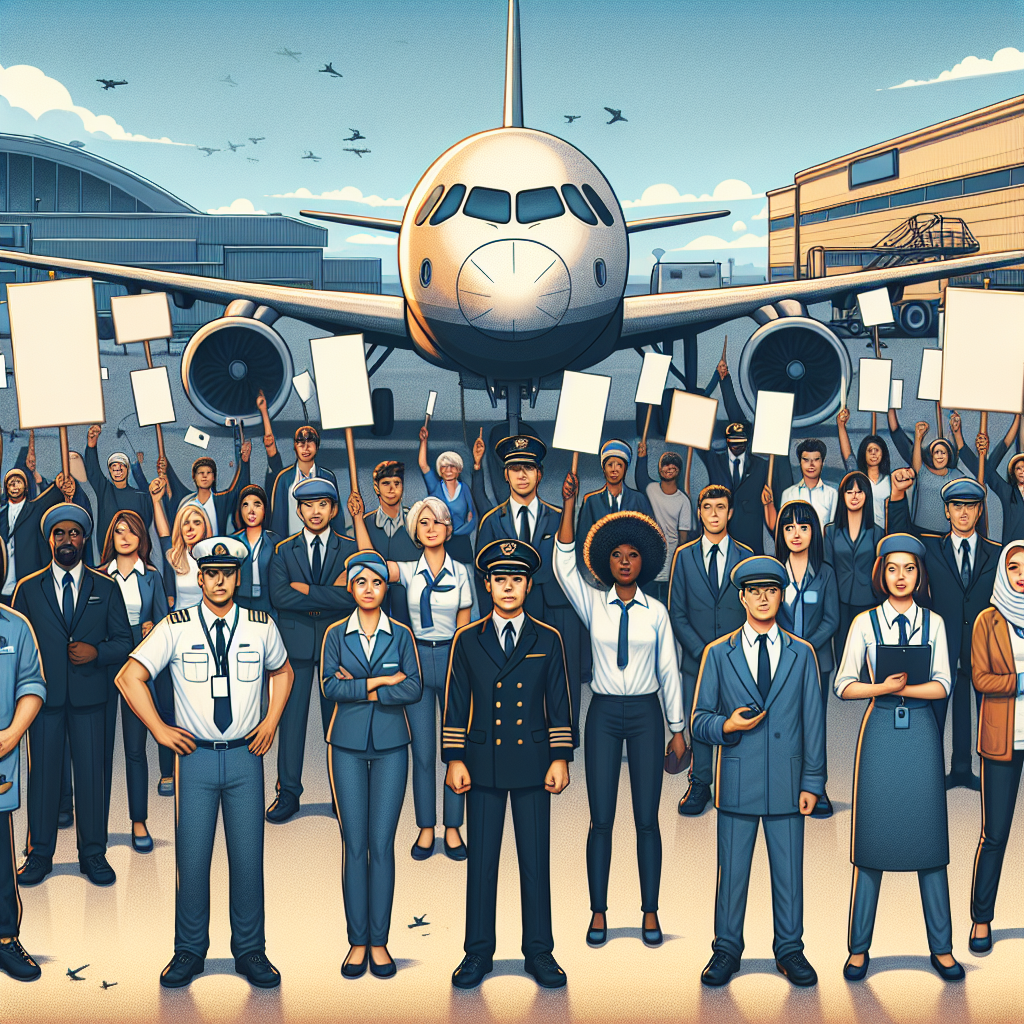
A groundbreaking tentative deal has ended the Air Canada flight attendants' strike, which had disrupted thousands of flights. The agreement promises compensation for pre-flight and ground duties, marking a significant shift in the airline industry's payment practices.
By introducing pay for duties on the ground, analysts predict a ripple effect on upcoming contract negotiations across North America as airlines grapple with demands for fair compensation amidst rising inflation and stagnant wages.
As Air Canada's workforce returns, the airline faces increased operational costs, potentially impacting its financial performance. However, industry experts suggest that this development highlights urgent issues in compensation practices, urging airlines to reevaluate their models.


 Google News