

Mexico's Tariff Shakeup: Strengthening Local Auto Industry Amid Trade Tensions
Mexican President Claudia Sheinbaum announced increased tariffs on Chinese autos to strengthen Mexico's economy without generating conflicts. The tariff rise, impacting $52 billion in imports, is part of a strategy to bolster local production. The measure aims to ensure fair market conditions and increase job opportunities.
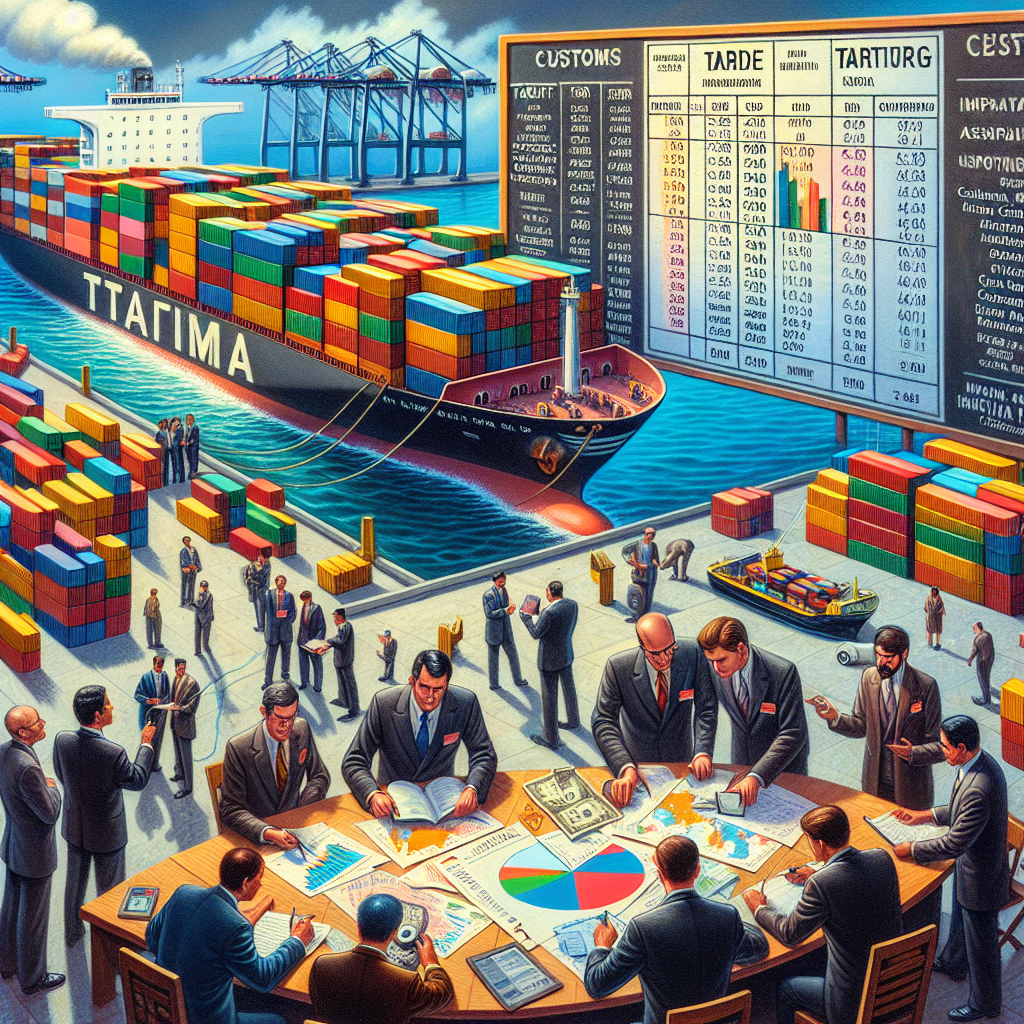
On Thursday, Mexican President Claudia Sheinbaum declared her administration's intention to avoid conflicts as it increases tariffs on imports, including those from China. At a morning press conference, she emphasized that the higher tariffs aim to support Mexico's economy while dialogues continue with affected nations' ambassadors.
The Mexican government announced a hike in tariffs on Chinese automobiles to 50% as part of a comprehensive revision of import duties affecting $52 billion in goods. While some suggested the measures were to appease the U.S., Sheinbaum clarified that they were rooted in a pre-established industrial strategy to enhance domestic production capacity.
China's Foreign Ministry spokesperson, Lin Jian, expressed a desire for collaboration between China and Mexico, despite opposition to such trade restrictions. The policy received backing from Mexico's automotive industry association, AMIA, which believes the tariff will create fairer market conditions, boost employment, and ensure consumer protections.
ALSO READ
-
Mexico’s Women Searchers Face Murder and Disappearance as UN Demands State Protection
-
ILO Report Reveals How to Bring Social Security Within Reach of Informal Workers
-
WTO Sets Up Panel on EU Carbon Border Rules as Russia Challenges Restrictions
-
WHO Brings Global Experts Together to Strengthen Herbal Medicine Quality and Safety
-
Forever Chemicals Fuel Unequal Pollution Burden as UN Expert Calls for Urgent Bans


 Google News