

Stalled Labor Market: The Impact of Data Shortages and AI
The U.S. labor market is struggling amid a government shutdown delaying key statistics. Alternative data suggests minimal job growth, with the unemployment rate remaining stable at 4.3%. AI advancements and stricter immigration policies are contributing to the stagnation, while planned job cuts and hiring plans signal uncertainty for the future.
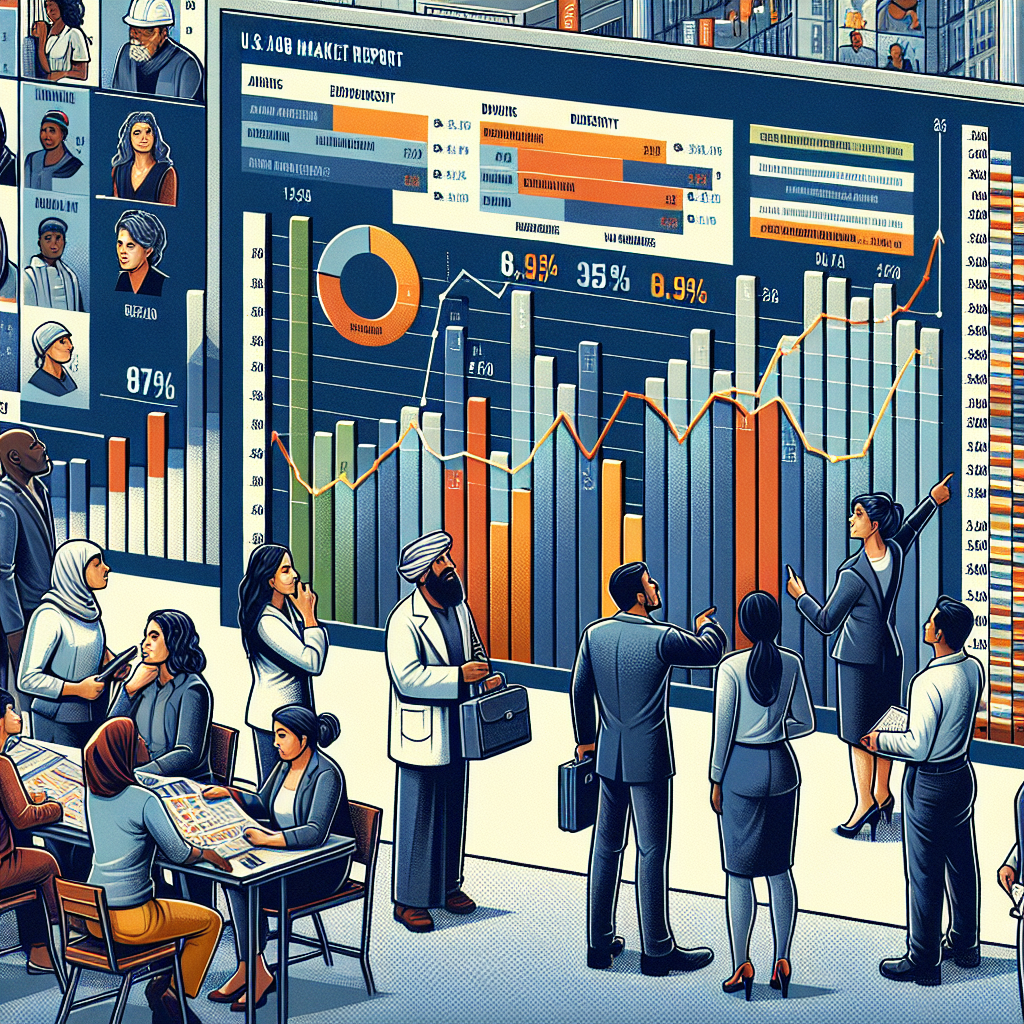
The U.S. labor market faces uncertainty as a result of a federal government shutdown, preventing the release of critical employment statistics. Alternative sources, including a new real-time estimate from the Federal Reserve Bank of Chicago, indicate that job growth was stagnant in September. The unemployment rate remains at 4.3%.
The delay in official data complicates decision-making for Federal Reserve policymakers, who are evaluating another potential interest rate cut. Alternative data and reports from technology firm Intuit and payroll processor ADP are filling in the gaps, showing challenges like decreased hiring and increased layoffs.
Amidst the uncertainty, analysts highlight factors such as stricter immigration policies and AI advancements as contributors to the labor market's stagnation. These developments, along with cost pressures and global economic conditions, may influence employer strategies in the upcoming months.


 Google News