

ADB Adds $48M to Boost Climate-Resilient Water Systems in Balochistan, Pakistan
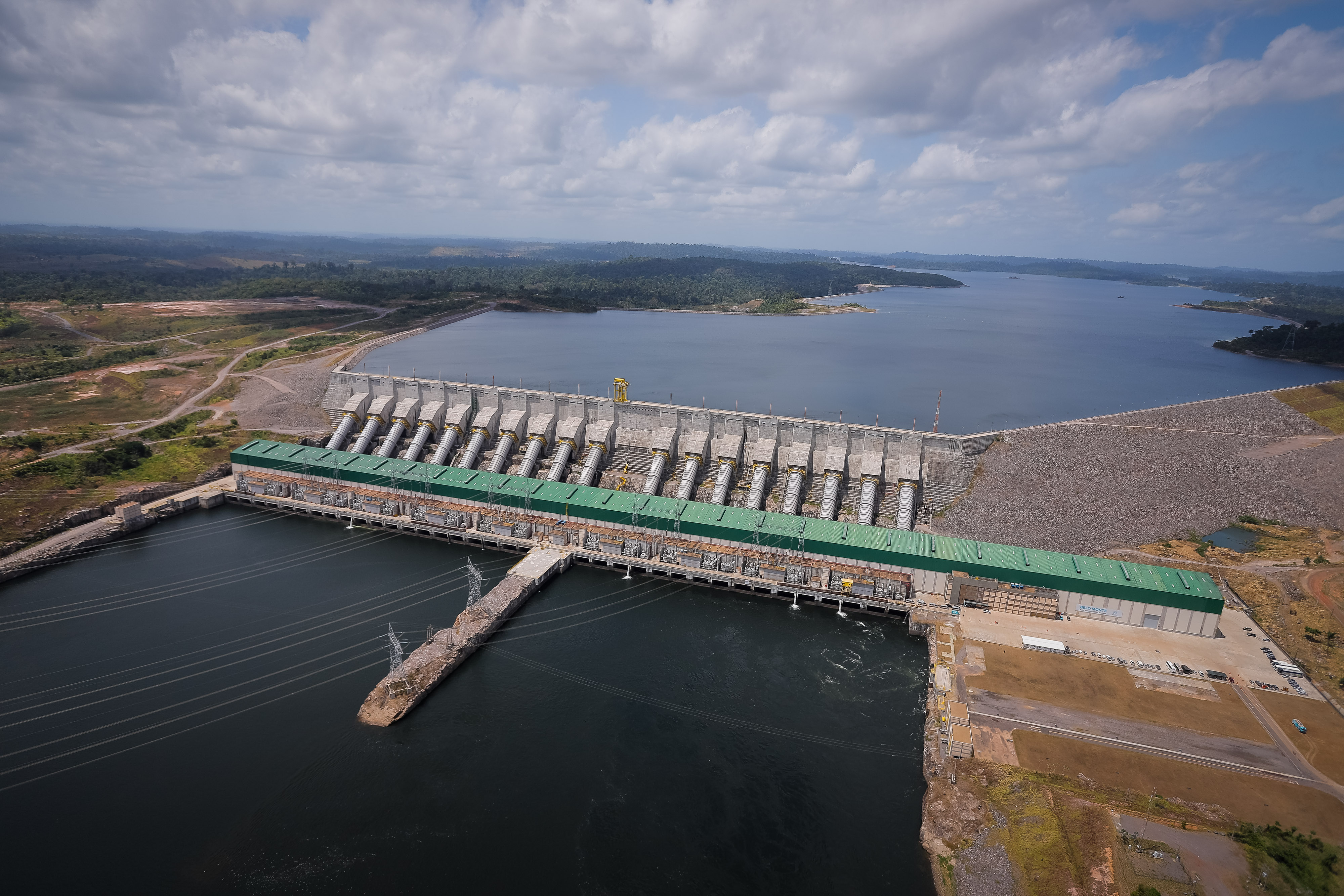
A major enhancement under the new funding is the introduction of an innovative piped water distribution network within the Siri Toi Dam’s command area.
- Country:
- Pakistan
The Asian Development Bank (ADB) has approved an additional $48 million loan to support the completion and expansion of the Balochistan Water Resources Development Sector Project, one of Pakistan's most critical water security and climate-resilience initiatives. The new financing will help finalize delayed yet essential infrastructure—particularly in the Zhob and Mula River basins—and strengthen long-term water resource management in Balochistan, Pakistan's largest but most water-scarce province.
The supplementary financing ensures the completion of key components previously stalled by financial constraints, including the Churi Infiltration Gallery, the development of the Siri Toi Dam command area, and a suite of watershed management activities designed to restore degraded ecosystems, enhance flood resilience, and prevent soil erosion.
Introducing a Modern, High-Efficiency Water Distribution System
A major enhancement under the new funding is the introduction of an innovative piped water distribution network within the Siri Toi Dam's command area. Unlike the traditional open-channel irrigation systems—which lose large amounts of water through seepage and evaporation—the piped system will:
-
Improve delivery efficiency
-
Reduce conveyance losses
-
Provide more equitable water distribution
-
Lower maintenance needs
-
Improve service reliability for farmers
The system marks a significant upgrade in how irrigation water is delivered in rural Balochistan.
Supporting a Province Deeply Affected by Water Scarcity
Balochistan faces chronic water shortage, aggravated by:
-
Frequent droughts
-
Erratic rainfall
-
Extreme climate impacts
-
Low water storage capacity
-
Weak water management systems
Agriculture contributes two-thirds of the province's economic output and employs 60% of its 13 million people, yet lack of reliable water has severely constrained productivity. Poverty rates in the region remain almost twice the national average, making climate-resilient water infrastructure indispensable for economic recovery and food security.
A Project Designed to Strengthen Livelihoods—Especially for Women
ADB Country Director for Pakistan Emma Fan highlighted the project's transformative potential:
"This project supports livelihoods and creates improved economic opportunities, particularly for women engaged in agriculture."
Women in rural Balochistan often shoulder responsibility for water collection, small livestock management, and household farming. Increased water security is therefore expected to ease workloads, expand income opportunities, and improve living conditions.
Siri Toi Dam: A Game-Changer for Water Availability
Once completed, the Siri Toi Dam—located in the Zhob basin—will provide:
-
36 million cubic meters of storage capacity
-
Reliable, year-round water supply
-
Expanded irrigation across 16,592 hectares
-
Inclusion of 1,839 hectares under khushkaba (rainwater harvesting) systems
The improved water availability will significantly boost agricultural productivity, promote crop diversification, and enhance household-level food security.
Watershed Management for Long-Term Climate Resilience
To ensure sustainability, the project integrates measures to rehabilitate ecosystems in the dam's catchment area. Key interventions include:
-
Afforestation to restore vegetation cover
-
Soil conservation to prevent erosion
-
Check dams to regulate water flow and reduce flooding
-
Flood-risk reduction through better upstream land management
These nature-based solutions will reduce sedimentation in reservoirs, extend infrastructure lifespan, and improve resilience to extreme climate events.
Building on Proven Success Through Donor Collaboration
The Balochistan Water Resources Development Sector Project is cofinanced by:
-
The Japan Fund for Prosperous and Resilient Asia and the Pacific (JFPR)
-
The High-Level Technology Fund
Both are supported by the Government of Japan through ADB. These funds enhance the project's technological sophistication and ensure the use of advanced, climate-resilient design standards.
The additional financing expands upon earlier successes, including the rehabilitation of irrigation infrastructure, improved community engagement in water governance, and strengthened institutional capacity for integrated water resource management.
Toward a Climate-Resilient Future for Balochistan
The initiative is part of a broader effort to build a sustainable water management system capable of supporting agricultural growth, reducing poverty, and protecting rural communities against worsening climate impacts. With ADB's continued support, Balochistan is positioned to strengthen its water security, enhance productivity, and secure a more resilient future for millions who depend on agriculture for survival.


 Google News