

ADB Approves $240m Loan to Expand Chennai Metro, Boost Clean Urban Mobility
The financing represents the second tranche of ADB’s $780 million multitranche financing facility for the Chennai Metro Rail Investment Project, which was approved in 2022.
- Country:
- India
The Asian Development Bank (ADB) has approved a $240 million loan to support the continued expansion of the Chennai Metro Rail network, strengthening access to cleaner, safer, and more reliable urban transport across the rapidly growing Chennai Metropolitan Area in southern India.
The financing represents the second tranche of ADB's $780 million multitranche financing facility for the Chennai Metro Rail Investment Project, which was approved in 2022. It follows an initial $350 million loan under the first tranche, reflecting ADB's sustained commitment to improving urban mobility, reducing congestion, and advancing low-carbon transport solutions in one of India's largest metropolitan regions.
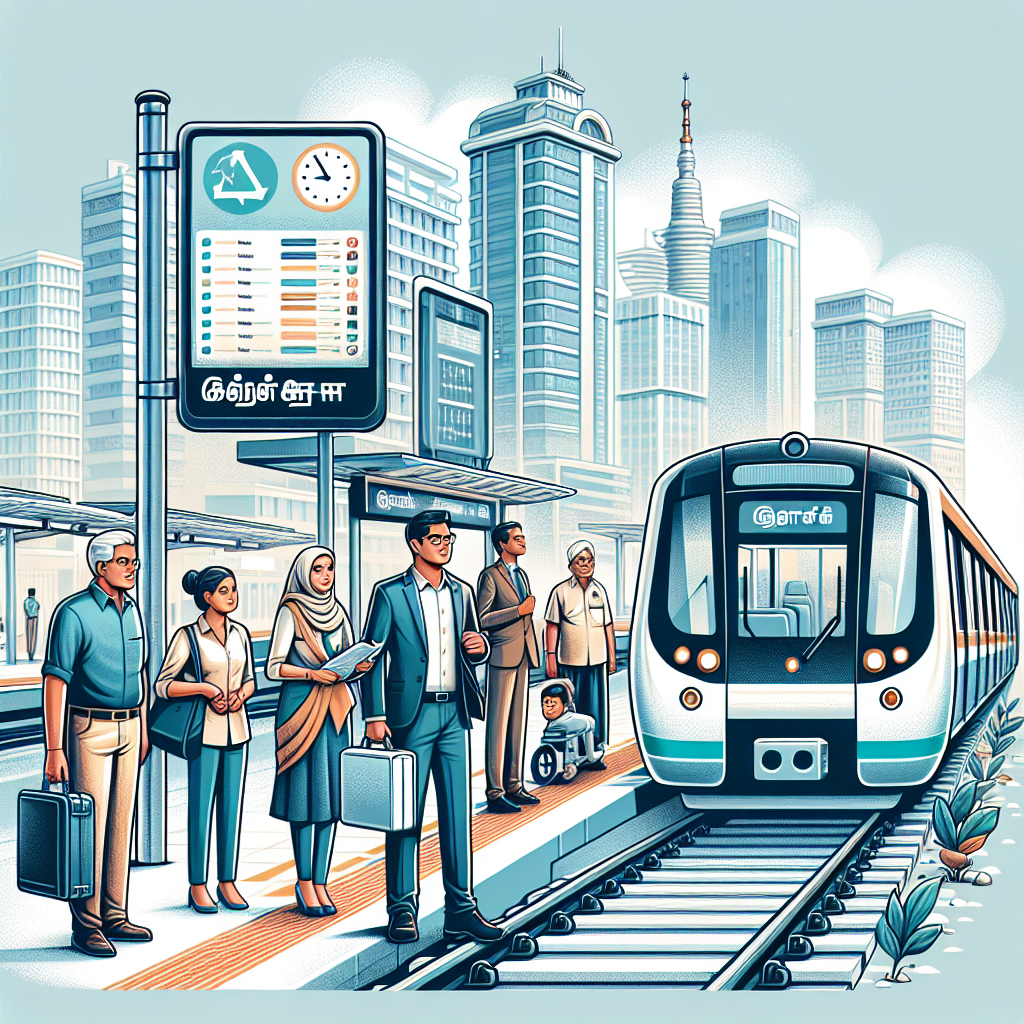
Under this tranche, the new financing will support the development of key sections of metro lines 3, 4, and 5, covering a total of 20 kilometres of elevated and underground corridors and the construction of 18 new metro stations. All stations will feature universal access designs, including elevators, tactile paving, and barrier-free entry, ensuring accessibility for persons with disabilities, the elderly, and other vulnerable users.
The project also incorporates disaster-resilient infrastructure to protect passengers and maintain service continuity during extreme weather events such as flooding and heatwaves, which are becoming more frequent due to climate change. These resilience measures are critical for Chennai, a coastal city increasingly exposed to climate-related risks.
Commenting on the approval, Mio Oka, ADB Country Director for India, said the project will deliver safer, faster, and more reliable daily travel for millions of commuters while supporting Chennai's transition toward a low-carbon urban transport system. She emphasized ADB's continued collaboration with local and national authorities to expand metro connectivity and strengthen the integration of metro and suburban rail systems to meet the city's growing mobility demands.
Specifically, the second tranche will finance civil and system works for Line 3's elevated section between Sholinganallur and SIPCOT-2, Line 4's underground section between Lighthouse and Kodambakkam, and key system components for Line 5, including power supply, traction systems, signaling, and telecommunications. These investments will ensure safe, efficient, and modern metro operations across the expanded network.
In addition, the tranche will support upgrades to multimodal interchange areas, improving connectivity between metro services and other transport modes such as buses, bicycles, pedestrian pathways, and last-mile mobility options. This integrated approach is expected to reduce travel times, ease congestion, and encourage a shift away from private vehicle use.
Beyond physical infrastructure, the project places strong emphasis on inclusion, safety, and financial sustainability. Measures will be introduced to enhance station safety—particularly for women and vulnerable users—through better lighting, surveillance systems, and inclusive station layouts. The project will also support initiatives to increase non-fare revenues, such as transit-oriented development and commercial use of station spaces, to strengthen the long-term financial viability of Chennai's metro system.
Construction activities under this tranche are scheduled for completion by mid-2028, with the expanded metro network expected to play a key role in reducing greenhouse gas emissions, improving air quality, and supporting sustainable urban growth in Chennai.
ALSO READ
-
Thailand’s $750 Million Nature Bond Puts Biodiversity at the Heart of Public Finance
-
ADB’s $1.3 Billion Mongolia Plan Backs Better Healthcare, Schools and Disaster Readiness
-
Building Resilience Before Crisis Hits: Asia-Pacific Reimagines the Future of Social Protection
-
CAREC Marks 25 Years With $60.2 Billion Invested to Grow Regional Trade
-
Asia-Pacific Puts Services Trade at Centre of Growth and Jobs Through TS4D Talks


 Google News