

UK, Ghana Host ADF-17 Pledging to Back Africa’s Next Phase of Inclusive Growth
Established in 1972, the African Development Fund (ADF) is the concessional window of the African Development Bank Group (AfDB), providing low-interest loans and grants to 37 low-income African countries.
The governments of the United Kingdom and Ghana are co-hosting the pledging meeting for the 17th replenishment of the African Development Fund (ADF-17) in London from 15–16 December, bringing together global donors to support Africa's next chapter of development and economic transformation.
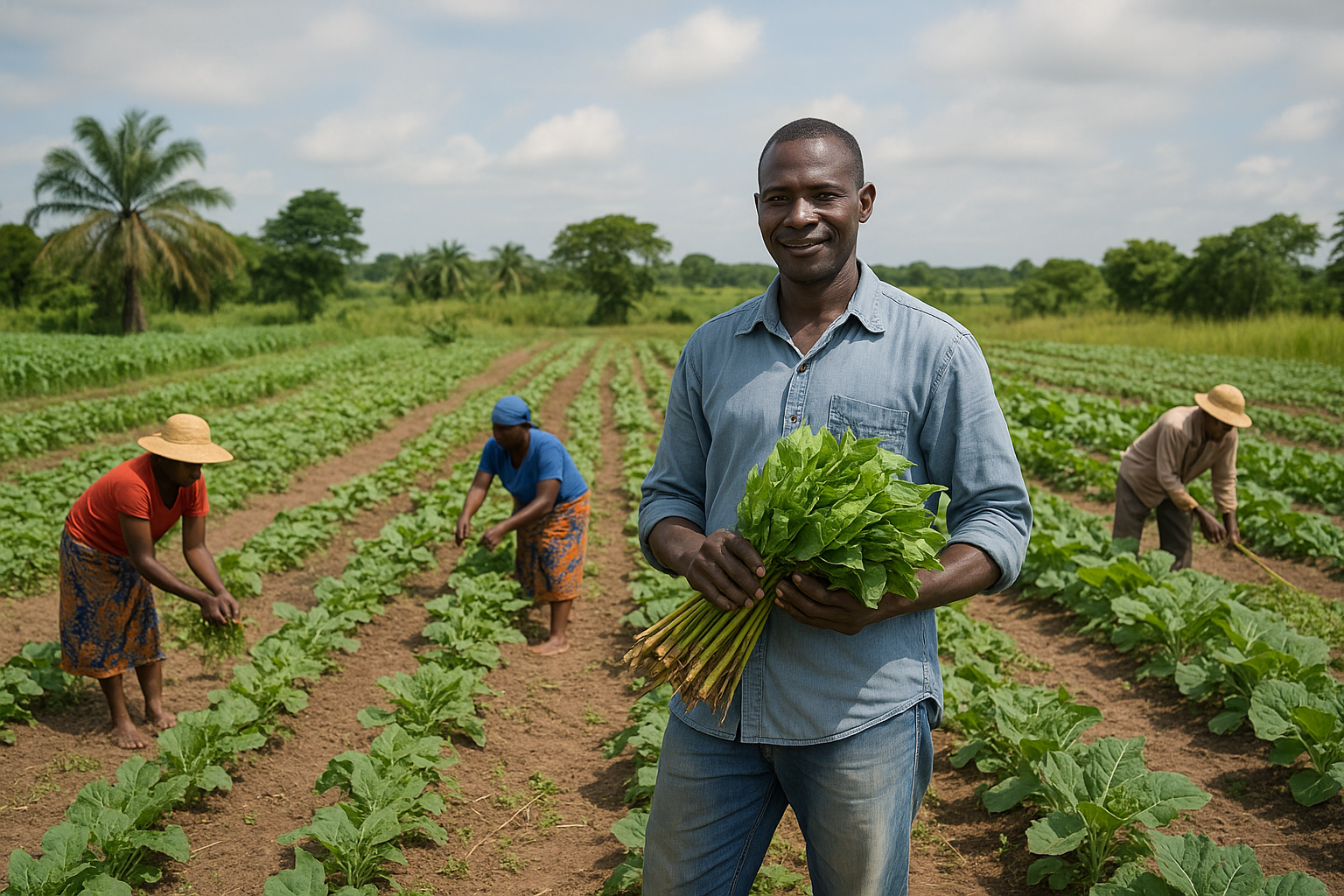
Established in 1972, the African Development Fund (ADF) is the concessional window of the African Development Bank Group (AfDB), providing low-interest loans and grants to 37 low-income African countries. For more than five decades, the Fund has helped deliver improvements in health, education, energy access, agriculture, water systems, transport, and climate resilience—benefiting tens of millions of people across the continent.
As delegates convene in London, expectations are high that more African countries will contribute to ADF-17, demonstrating strengthened ownership of the continent's development agenda and growing confidence in the Fund's model of inclusive, sustainable growth. Particularly noteworthy is the increasing interest from countries that were once ADF beneficiaries and are now moving toward becoming contributors.
Innovative Financing for a New Development Era
ADF-17 marks a turning point in the Bank Group's strategy to mobilise larger and more diverse sources of capital for Africa's development, especially as global aid flows tighten and climate pressures intensify. A central innovation expected during this replenishment is the introduction of the Market Borrowing Option (MBO).
The MBO will allow the ADF, for the first time, to raise resources directly from capital markets, significantly expanding its financial capacity. The Fund is currently finalising the policy and risk-management frameworks required to operationalise the mechanism during this cycle.
This innovation is part of a broader shift within the AfDB to strengthen partnerships with the private sector, attract new institutional investors, and scale blended-finance tools—efforts seen as essential to closing Africa's multi-trillion-dollar development financing gap.
Leadership Under President Sidi Ould Tah
ADF-17 is also the first replenishment cycle led by Dr Sidi Ould Tah, who became President of the African Development Bank Group in September 2025. His Four Cardinal Points (4CPs) agenda sets out four strategic priorities:
-
Mobilising greater capital for African development
-
Reforming Africa's financial architecture to reduce vulnerability to global shocks
-
Harnessing demographic potential by investing in youth, skills, and job creation
-
Accelerating climate-resilient infrastructure and green economic transition
Within this reform vision, the African Development Fund remains central to ensuring that Africa's most vulnerable and least-resourced countries are not left behind.
A Critical Moment for Africa's Future
With Africa's population now surpassing 1.5 billion people, the London pledging conference is seen as a pivotal moment for global partners to demonstrate confidence in Africa's long-term growth trajectory. The continent's extraordinary human capital, vast renewable energy potential, abundant critical minerals, and expansive arable land position it as a key driver of global prosperity in the decades ahead.
Delegates and observers have emphasised that ADF-17 represents not just another replenishment, but an opportunity to align global commitments with Africa's ambition for transformation—particularly as climate impacts, economic instability, and infrastructure gaps continue to intensify.
By the end of the London meeting, donors are expected to announce new commitments that will shape development outcomes across dozens of African nations through 2026–2029, determining the scale of investment in climate action, job creation, social services, regional integration, and economic diversification.


 Google News