

World Bank Approves €70M Loan to Upgrade Roads and Boost Jobs in Bosnia and Herzegovina
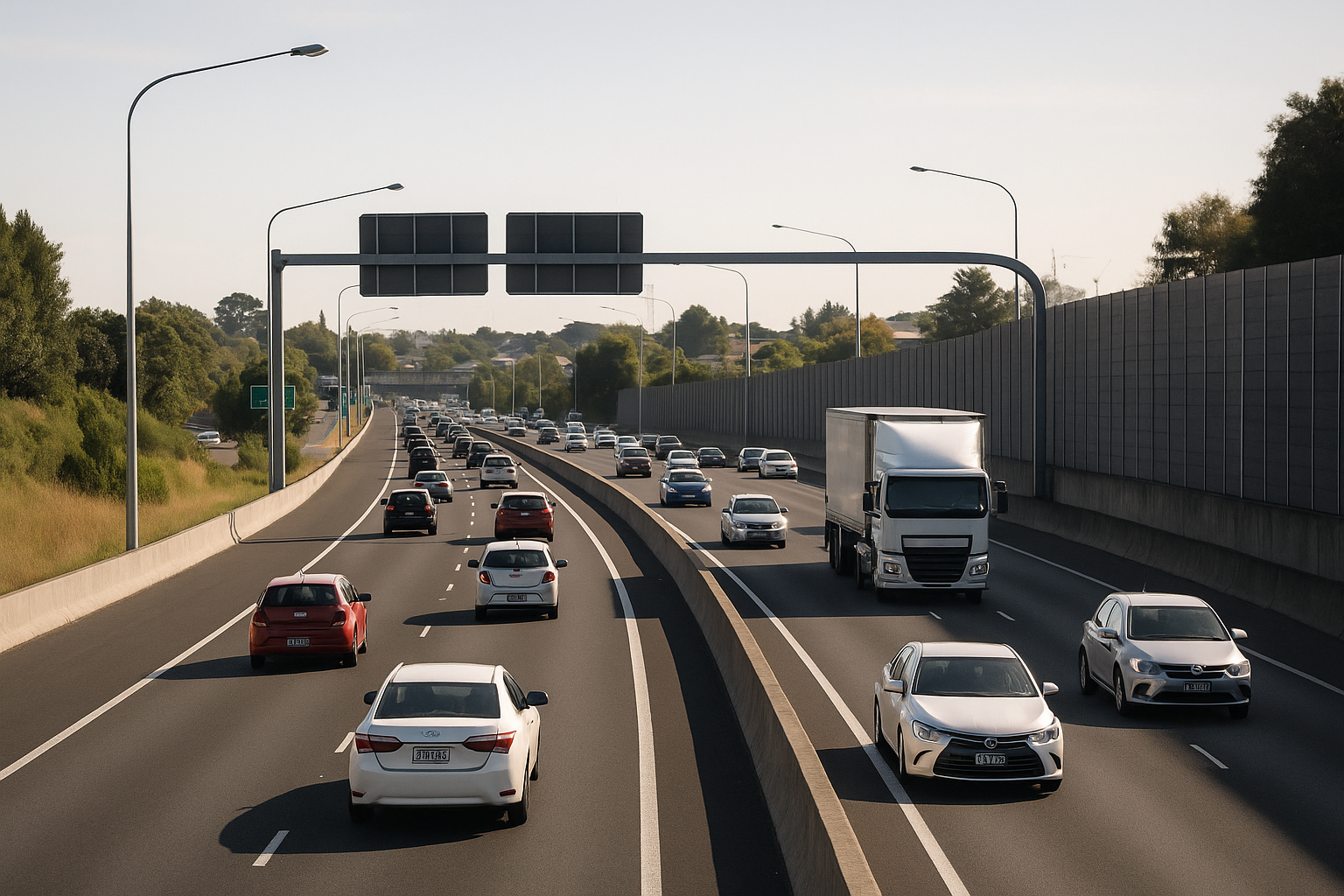
The project will rehabilitate or upgrade around 150 kilometres of priority national roads, bringing them up to the highest safety and climate resilience standards.
- Country:
- Bosnia and Herzegovina
The World Bank has approved a €70 million ($80.97 million) loan to Bosnia and Herzegovina to modernize key road infrastructure and strengthen transport connectivity, a move expected to support job creation, safer travel and long-term economic growth.
The financing is complemented by an additional €8.5 million ($9.99 million) grant from the European Union's Western Balkans Investment Framework (WBIF), highlighting strong cooperation between international development partners in supporting Bosnia and Herzegovina's infrastructure priorities.
Major Investment in Safer, More Resilient Roads
The funding will support the Federation Road Asset Management Enhancement Project, targeting urgent rehabilitation and modernization needs across the road network in the Federation of Bosnia and Herzegovina (FBiH).
The project will rehabilitate or upgrade around 150 kilometres of priority national roads, bringing them up to the highest safety and climate resilience standards.
Transport infrastructure is widely recognised as a cornerstone of economic development, improving access to markets, services, and employment opportunities.
Upgrades at One of the Country's Most Dangerous Junctions
A major focus of the project is improving road safety at the Mostar North junction, identified as one of Bosnia and Herzegovina's most hazardous transport locations.
Planned safety measures include:
-
Junction improvements and safer traffic flow design
-
Traffic calming initiatives
-
Clearer road signage
-
Safer pedestrian crossings
Protecting Children in School Zones
The project also includes targeted interventions to protect vulnerable road users, particularly children.
Safety upgrades will be financed in around 20 school zones, including:
-
Improved pedestrian crossings
-
Traffic slowing measures
-
Better visibility and signage
In addition, the initiative will support the development of a national Road Safety Database, strengthening evidence-based policy and enforcement.
Supporting EU Alignment and Economic Opportunity
World Bank Country Manager Christopher Sheldon said the investment will help Bosnia and Herzegovina strengthen connectivity while advancing toward European Union infrastructure and safety standards.
"We are pleased to support Bosnia and Herzegovina's efforts to strengthen its road infrastructure in a way that enhances safety, resilience, and connectivity," Sheldon said.
"Better roads create opportunities, linking people to jobs, markets, and services while helping the country advance toward European Union standards."
Strengthening Road Asset Management
Beyond physical upgrades, the project will improve how Bosnia and Herzegovina plans, maintains and manages its road network over time.
It aims to ensure:
-
Public resources are used more efficiently
-
Road assets are properly maintained
-
Long-term infrastructure performance is strengthened
The project also includes a Contingent Emergency Response Component, allowing funds to be rapidly reallocated to support the road sector during eligible emergencies.
Boost for Rural Communities and Trade
Many of the upgraded roads are key commuter and trade routes, and the improvements are expected to expand economic opportunity across the Federation.
Rural areas — where poverty rates are higher and livelihoods often depend on agriculture — are likely to benefit significantly from better access to:
-
Jobs and services
-
Local and regional markets
-
Trade and transport corridors
By improving daily mobility and reducing travel risks, the project is expected to deliver wide-reaching economic and social gains.


 Google News