

EIB and Bank of Industry Sign €85M Deal to Boost Nigeria’s Cocoa and Dairy Sectors
The deal was announced in Abuja on the sidelines of the Nigeria–EU Ministerial Summit, underscoring growing cooperation between Europe and Nigeria on sustainable agriculture and economic development.
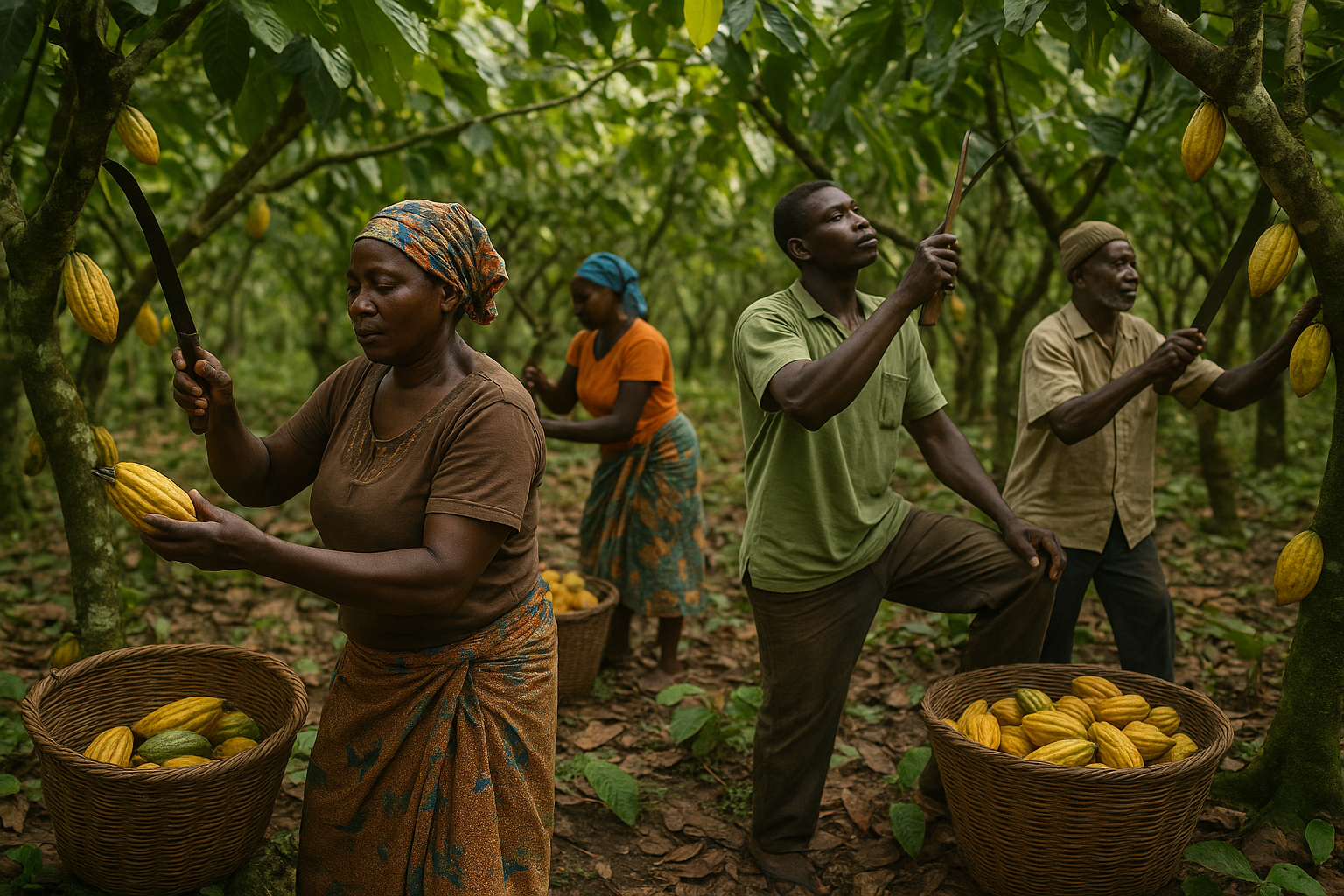
The European Investment Bank's development arm, EIB Global, and Nigeria's Bank of Industry (BOI) have signed an €85 million financing agreement to strengthen agricultural value chains and support small businesses, with a strong focus on cocoa and dairy production.
The deal was announced in Abuja on the sidelines of the Nigeria–EU Ministerial Summit, underscoring growing cooperation between Europe and Nigeria on sustainable agriculture and economic development.
70% of Funding Targeted at Cocoa and Dairy
A significant portion of the financing—at least 70%—will be directed toward:
-
Cocoa value chains, a key export sector for Nigeria
-
Dairy production, aimed at improving local supply and reducing imports
The funding will be channelled through BOI to support:
-
Micro, small, and medium enterprises (MSMEs)
-
Agricultural cooperatives
-
Agribusiness processors and producers
The goal is to improve productivity, enhance value addition, and strengthen linkages across the agricultural ecosystem.
Driving Jobs, Incomes, and Rural Development
Officials say the investment is designed to deliver tangible economic benefits, including:
-
Job creation across farming, processing, and supply chains
-
Higher incomes for farmers and rural communities
-
Growth of local agribusinesses and export potential
"This partnership is about unlocking long-term, affordable finance for sectors that drive inclusive growth," said BOI Managing Director Dr. Olasupo Olusi.
Aligning with Global Sustainability Standards
A key feature of the programme is its strong environmental and regulatory focus. The project will support:
-
Compliance with the EU Regulation on Deforestation (EUDR)
-
Adoption of international environmental and social standards
-
Promotion of climate-smart agriculture practices
-
Protection of biodiversity and reduction of environmental impacts
This alignment is expected to help Nigerian producers access international markets more easily while improving sustainability.
Technical Assistance to Build Capacity
In addition to financing, EIB Global will provide technical assistance to:
-
Strengthen BOI's climate action strategy
-
Build capacity within the agriculture sector to manage environmental and social risks
This support is aimed at ensuring long-term resilience and compliance with global best practices.
Part of Broader EU–Nigeria and Global Gateway Strategy
The investment is aligned with:
-
The EU's Global Gateway Initiative
-
The Team Europe Green Economy Initiative
-
Nigeria's national development priorities, including food security and economic diversification
European Commissioner for International Partnerships Jozef Síkela highlighted the broader impact:
"This investment helps create jobs and ensures more value stays in Nigeria, particularly in sectors with strong growth potential like cocoa and dairy."
Long-Term EIB Commitment to Nigeria
The agreement builds on decades of engagement by the European Investment Bank in Nigeria:
-
Over €2.3 billion invested since 1978
-
Support across sectors including:
-
Transport infrastructure
-
Climate adaptation
-
Digital innovation
-
SME financing
-
A Strategic Push for Agricultural Transformation
As Nigeria seeks to diversify its economy and reduce reliance on imports, investments in agriculture—particularly high-value sectors like cocoa and dairy—are seen as critical.
EIB Vice President Ambroise Fayolle described the initiative as part of a broader effort to support "sustainable transformation" of Nigeria's agricultural economy.
Outlook: Strengthening Value Chains and Global Competitiveness
By combining financing, technical expertise, and sustainability standards, the project aims to position Nigerian agribusinesses for greater competitiveness in global markets, while delivering inclusive growth at home.
The success of the initiative could serve as a model for future partnerships aimed at transforming Africa's agricultural value chains.


 Google News